lifestyle
Rio's Cafes Set Slower Pace Than World's Busiest Coffee Capitals
While global capitals chase the sterile efficiency of modern coffee chains, Rio’s breakfast scene remains anchored in the tactile, sun-drenched rhythm of local life.
How we reported this
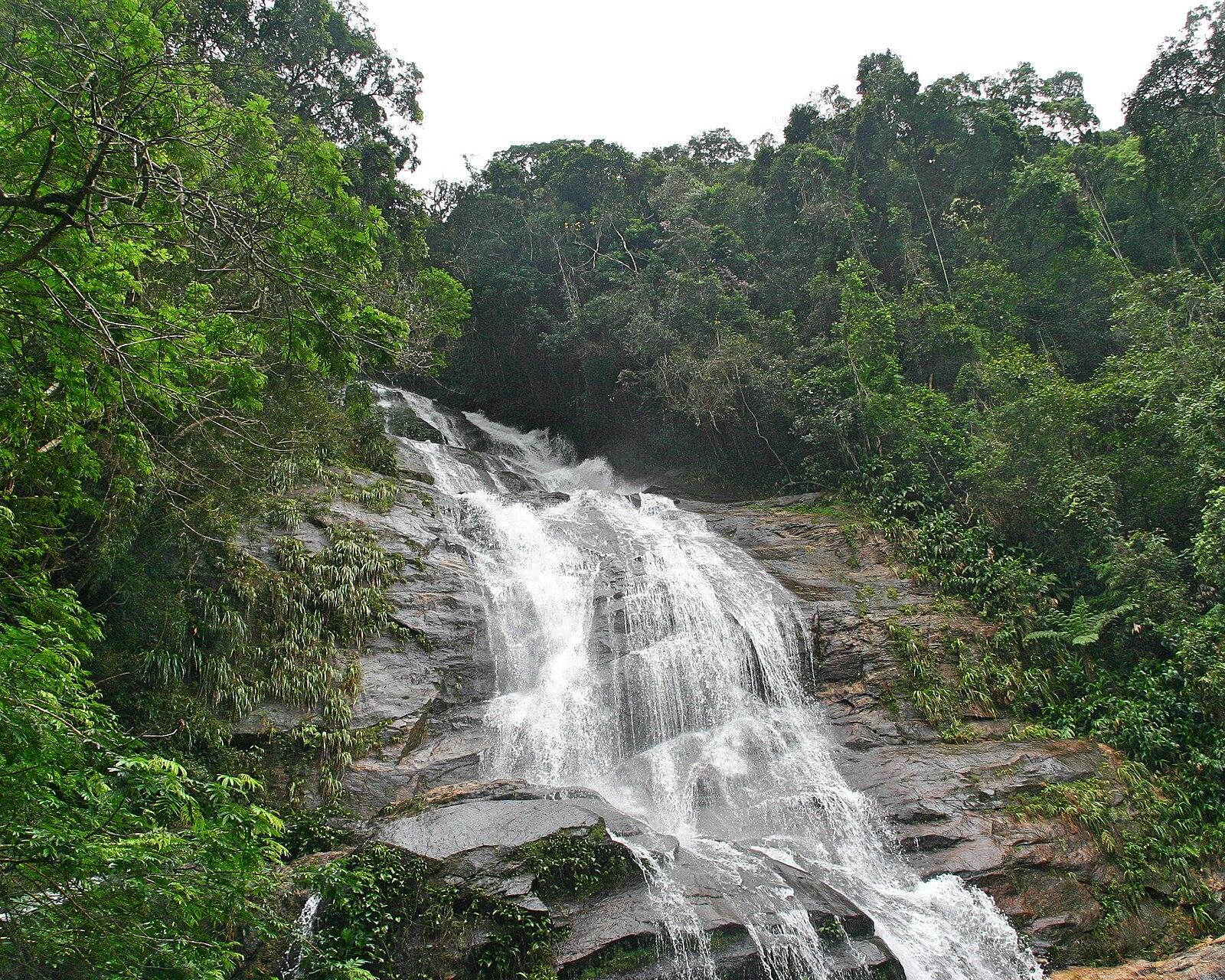
Rio de Janeiro is recalibrating its morning ritual, moving away from the industrial speed of international franchises toward a distinct, slow-burn cafe culture that mirrors the city’s geography. In neighborhoods spanning from the quiet, tree-lined streets of Jardim Botânico to the high-traffic thoroughfares of Ipanema, the brunch experience is defined by a reliance on hyper-local ingredients and a refusal to rush, a departure from the high-velocity service seen in urban centers like London or Tokyo.
The Intersection of Geography and Gastronomy
What differentiates a morning in Rio is the physical environment that dictates the menu. At venues like Parque Lage’s Plage Café, the architecture-an ornate, early 20th-century mansion-is as much a part of the consumption as the coffee itself. The experience relies on a seamless transition between the indoor courtyard and the surrounding Tijuca Forest, a contrast to the dense, concrete-heavy cafes found in New York. Similarly, establishments tucked into the lanes of Copacabana emphasize the connection to the Atlantic breeze, making the simple act of ordering a pão de queijo a ritual that feels tied to the city’s maritime heritage rather than a standardized product delivery.
The shift toward artisanal production has deepened over the last three years, as local roasters in Botafogo have moved to source beans directly from the mountains of Minas Gerais. This focus on domestic supply chains allows cafes to avoid the global inflationary pressures that have driven up prices for imported beans in many European cities. By keeping the supply chain within national borders, these businesses maintain a price point that remains accessible to local residents while delivering a product that consistently ranks as high-end.
Defining the Carioca Morning
Beyond the quality of the beverage, the social structure of the local brunch is what sets it apart. While residents of cities like Paris often utilize cafes for solitary, quick transitions, the Rio experience is predicated on the public nature of the streets. Spaces along Rua Garcia d’Ávila in Ipanema serve as de facto town squares. This reliance on the public realm, governed by a climate that permits year-round outdoor seating, removes the barrier between the restaurant and the sidewalk, a spatial difference that defines the city’s social fabric.
Looking ahead, the evolution of the city's hospitality sector suggests that the integration of historical landmark preservation into commercial use will only increase. Visitors and residents alike are encouraged to seek out cafes operating within repurposed colonial estates or mid-century beach houses. These locations represent the current gold standard for the sector, providing not just a meal, but a tangible connection to the city's complex architectural history.