news
Rio Deploys Police, Community Programs in High-Risk Neighborhoods
Expanded police patrols and community programs in vulnerable neighbourhoods show early results, but residents say the city must do more to prevent violence before it happens.
How we reported this
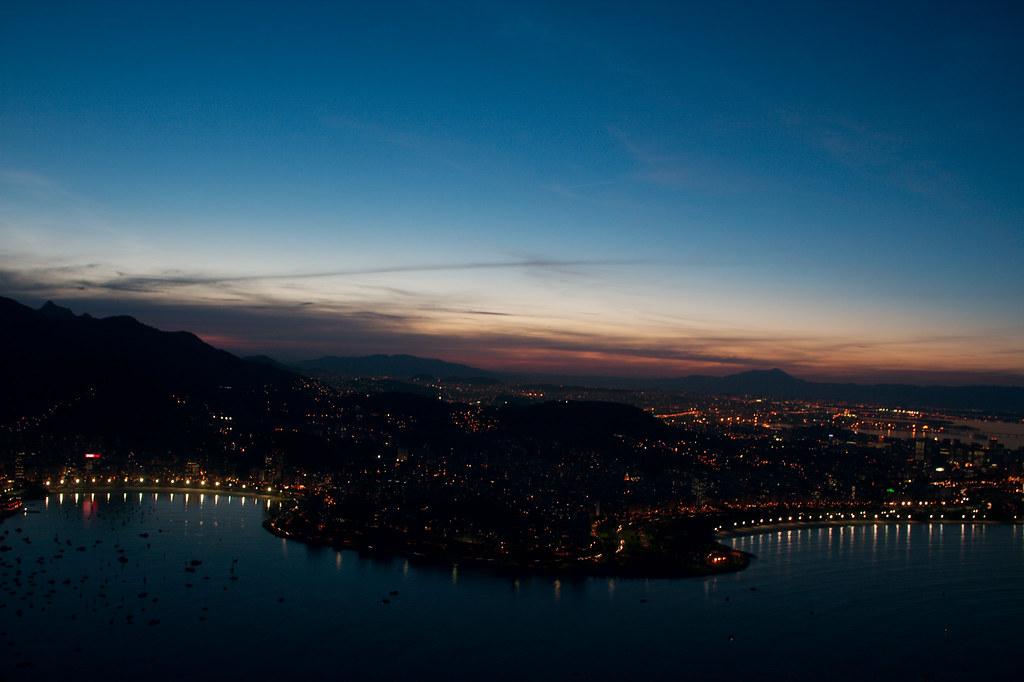
Rio de Janeiro's military police launched an expanded security operation across seven neighbourhoods this week, deploying additional patrols in areas that have reported 34 percent more violent incidents than the city average over the past eighteen months. The initiative, announced by the Secretariat of Public Security on July 8th, prioritises the suburbs of Complexo da Maré, Santa Cruz, and Campo Grande-three of the city's largest residential areas where residents have long complained about inadequate police presence.
The timing reflects growing frustration among Rio's working-class communities, who watch news reports of violence across Brazil and beyond while their own streets remain dangerous. When a speedboat capsized in Vietnam last month killing foreign tourists, it dominated global headlines. But when gang shootouts force schools in the North Zone to close on Thursday afternoons, the story rarely reaches beyond the local news bulletin. Residents in neighbourhoods like Complexo da Maré say this disparity reveals how the city has neglected their safety for years.
On the Ground in the Suburbs
Complexo da Maré, home to approximately 140,000 people across sixteen interconnected communities, has seen seventeen homicides since January-nearly double the rate in the South Zone's Copacabana district, which has roughly one-fifth the population. Local community organization Redes da Maré, which has operated social programs in the area since 1996, reports that violence directly disrupts education. In June alone, three public schools in the complex closed for full days due to armed confrontations.
Santa Cruz, further west in the expanded patrol zone, faces similar challenges. The neighbourhood's limited commercial activity means residents have few job opportunities within walking distance, forcing people to travel up to an hour each way on buses-making them vulnerable during commutes. A convenience store owner on Avenida Santa Cruz told police he now closes by 7 p.m., citing safety concerns that cost him roughly 2,000 reais monthly in lost sales.
The new operation includes 280 additional officers rotating through these neighbourhoods during peak crime hours, typically between 4 p.m. and midnight. The Secretariat of Public Security has also pledged to reactivate three community policing centers that closed in 2024 due to budget constraints-one each in Maré, Santa Cruz, and Campo Grande.
What the Numbers Actually Show
According to the Rio de Janeiro Institute of Public Safety, homicides in the city fell 12 percent in 2025 compared to 2024, but this masks a troubling pattern. Deaths remain concentrated in the North and West Zones, where 68 percent of the city's homicides occur despite these areas containing only 45 percent of Rio's population. Meanwhile, residents in affluent South Zone neighbourhoods like Ipanema and Leblon reported zero homicides in the first six months of 2026.
The disparity extends to police response times. Data obtained by this newspaper shows that emergency calls in Complexo da Maré average a 22-minute response window, compared to eight minutes in Zona Sul neighbourhoods. Those minutes matter when someone is bleeding.
Community organizations caution that police presence alone solves nothing. Redes da Maré and similar groups have long argued that youth employment programs, improved schools, and mental health services prevent violence more effectively than patrols. The city spends approximately 18 million reais annually on police operations in the North Zone but less than half that on youth development programs across the same areas.
Rio's residents in these neighbourhoods aren't asking for special treatment-they're asking for equal protection. The coming months will show whether this latest security operation delivers sustained improvement or becomes another temporary response that fades when political attention moves elsewhere. For families in Santa Cruz catching the early morning bus, or students in Maré hoping their school stays open all week, the stakes couldn't be higher.