culture
A Visitor’s Guide to the Research and Living Collections at Rio’s Botanical Garden
The Jardim Botânico do Rio de Janeiro combines public visitation with living collections, research and conservation work.
Listen in English · 4 min
How we reported this
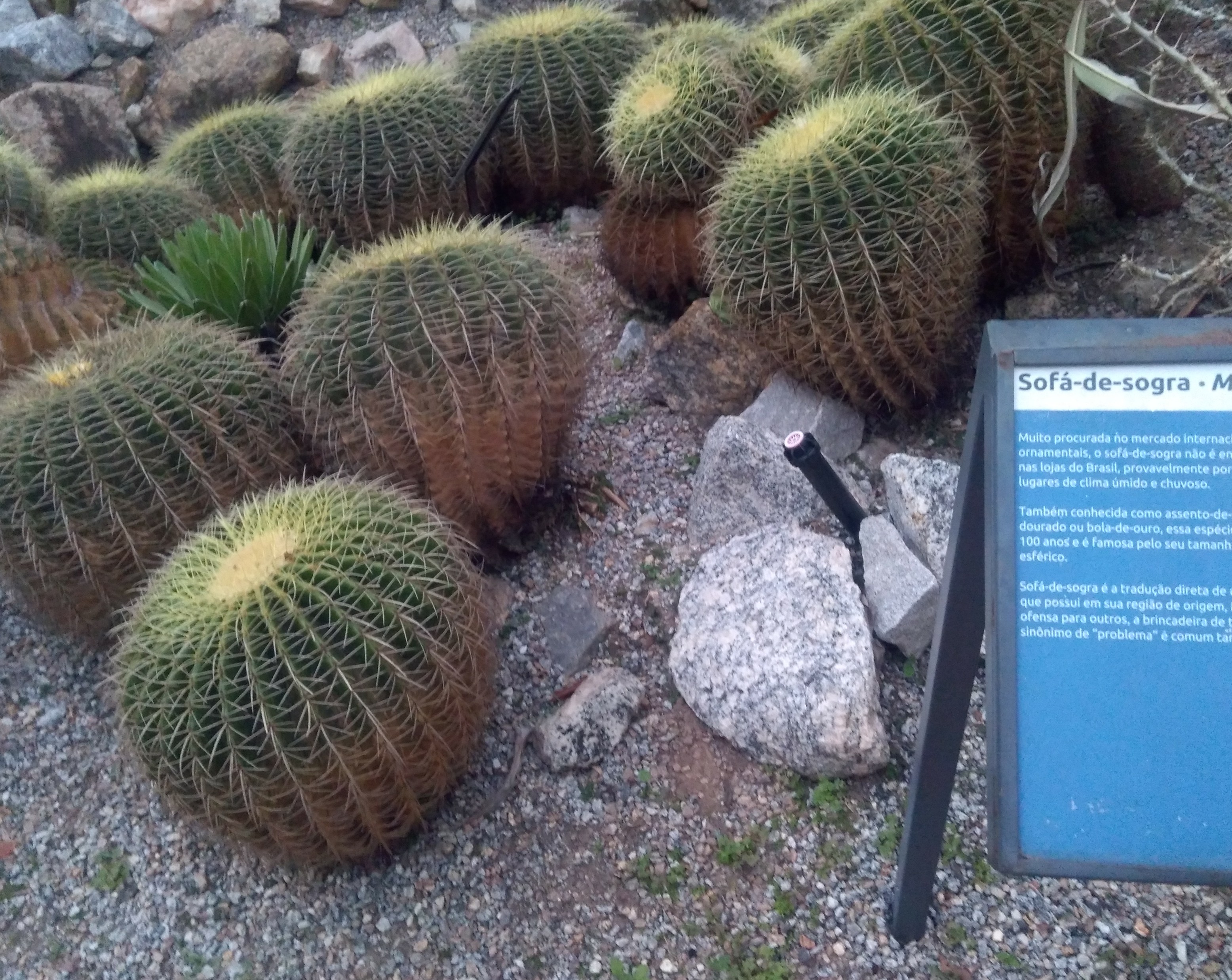
Jardim Botânico do Rio de Janeiro is both a visitor destination and a scientific institution. The official Instituto de Pesquisas Jardim Botânico do Rio de Janeiro website places visitation alongside research, conservation, collections, education and public services. That combination gives the garden a character different from a simple landscaped park: a walk through the grounds is also an introduction to an institution that cares for living plant collections and produces knowledge about Brazil’s flora.
The official site provides dedicated information for visitors, including hours, tickets, directions, electric-car services, guided walks and thematic visits. Those pages are the right place to start before travelling because practical arrangements can change. They also help visitors choose an approach that fits the day. Someone who wants a self-guided stroll can check the general visitor information, while someone interested in interpretation can look for the walking and thematic options offered by the garden.
JBRJ’s public-facing information highlights its living collections and its broader role in research and conservation. The website also points visitors toward the Museu do Jardim Botânico and the Mbaé Kaá museum-related content, showing that the institution’s programme extends beyond paths and planting beds. This makes the garden a useful stop for travellers who want to connect Rio’s urban landscape with the ecosystems and plant diversity studied by the institution.
Plan the visit as an outdoor cultural experience. Comfortable shoes, sun protection and enough time to move slowly are more useful than trying to rush through every section. Read the garden’s visitor rules before arrival, especially if you are bringing professional photography equipment or planning a group visit. The official site includes information about photography permissions and other services, so it is better to follow those instructions than to assume that all forms of recording are treated the same way.
The garden is also a good place to pair observation with learning. Notice how the institution presents collections, museums, programmes and conservation work as connected parts of its mission. A visitor can enjoy the planted landscape while remembering that the site is maintained as part of a research and public-education organisation.
For current opening information, admission conditions, access routes, guided visits and any temporary notices, consult jbrj.gov.br before setting out. The official JBRJ website is the primary source for the practical details of a visit and for the institution’s latest public programme.
Keep the official page open while planning so that the information used for the visit is the information currently published by the attraction or public agency. Recheck the page on the day of travel, follow the institution’s instructions, and use its contact channel if an access question is not answered online.