wellness
Rio's Schools Adopt Mindfulness Programs: What Students Can Access
From Santa Teresa to Tijuca, Rio's classrooms are quietly turning to meditation-and the science behind the push is hard to ignore.
How we reported this
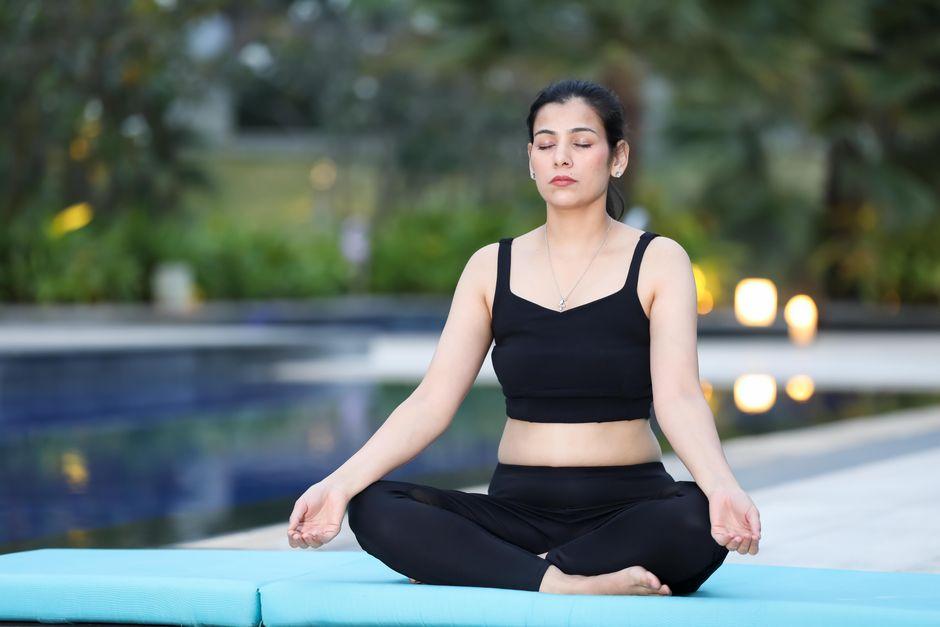
More than forty public schools across Rio de Janeiro's municipal network introduced some form of structured mindfulness or meditation practice into their weekly timetables during the 2025 academic year, according to figures from the Secretaria Municipal de Educação. The number marks a threefold increase from 2022, when fewer than fifteen schools had any formal contemplative practice on the books.
The timing is not accidental. Rates of anxiety and difficulty concentrating among Rio's school-age population have climbed sharply in the years following the pandemic. Child psychiatrists at the Instituto Municipal Philippe Pinel, located in Botafogo, reported a 38 percent rise in referrals for anxiety-related complaints among children aged 8 to 14 between 2020 and 2024. Teachers, principals, and parents have been pushing municipal education officials for tools they can actually deploy inside a classroom, not just clinical interventions after the fact.
Who Is Running the Programs-and Where
The most established initiative in the city is Escola Ativa, a nonprofit that has operated out of the Lapa neighbourhood since 2018 and now serves 27 schools, most of them in the Zona Norte. Its curriculum gives teachers a six-session training course costing R$0 to participating public schools-the program is fully grant-funded through a partnership with the Instituto Unibanco. Students receive two 20-minute guided sessions per week, combining breath-focused attention exercises with brief body-scan techniques drawn from Mindfulness-Based Stress Reduction, the protocol developed at the University of Massachusetts in 1979. Escola Ativa says it has reached roughly 9,400 students since launching its school-facing work in 2021.
In the Zona Sul, the Colégio Estadual Amaro Cavalcanti in Lagoa runs what may be the oldest standalone meditation program at a state school in the city. The school's psychology coordinator introduced a 15-minute daily breathing practice in 2019 for its 7th and 8th grade cohorts. The model is low-cost and teacher-led, requiring no outside facilitator. Several private schools in Ipanema and Leblon-including one institution on Rua Visconde de Pirajá-have imported full Mindfulness in Schools Project curricula, a UK-developed framework that charges schools an annual licensing fee of approximately R$4,200 per class cohort.
The Centro de Bem-Estar Escola, based in Tijuca and affiliated with the Universidade do Estado do Rio de Janeiro, runs a separate academic program that trains education professionals, not just classroom teachers. Its 80-hour professional development certificate, which runs three times per year and costs R$1,800 per participant, qualifies graduates to design and supervise mindfulness programs within their own school communities. The next intake opens in August 2026.
What the Evidence Actually Shows
Sceptics inside the education system have questioned whether short classroom sessions produce measurable outcomes, and the research gives them partial ammunition. A 2023 meta-analysis published in the journal Psychological Bulletin reviewed 41 school-based mindfulness trials across 14 countries and found moderate effect sizes for reduced anxiety and improved attention in adolescents, but weaker evidence for primary-school children under age 10. The authors noted that program fidelity-whether teachers actually delivered sessions consistently-was the single biggest variable in outcomes.
That finding resonates with what practitioners in Rio have observed informally. Schools in Madureira and Realengo that received training through Escola Ativa but lacked dedicated support staff showed significantly lower session-completion rates than schools in Flamengo and Glória, where principals had appointed a named wellbeing coordinator. Consistency, not the technique itself, appears to separate the programs that stick from those that quietly disappear after the first semester.
For parents wanting to explore options, the Secretaria Municipal de Educação maintains an updated list of participating schools on its portal at educar.rio. Families whose children attend schools not yet in any program can request inclusion through the school's parent council-municipally funded training through Escola Ativa is still available at no cost to qualifying schools for the 2026-2027 academic year, with applications open until 31 July 2026. Independently, the community meditation centre Casa Krishnamurti in Botafogo runs free Saturday morning sessions open to children aged 9 and older, accompanied by a guardian. Any family considering a structured program for a child dealing with significant anxiety should first speak with a paediatrician or child psychologist before enrolling.