culture
Rio's Cultural Moment: What Visitors Need to Know Before They Arrive
As the city repositions itself beyond Carnival, a revitalized arts scene and restored cultural landmarks offer travelers a deeper experience than ever before.
4 min read
culture
As the city repositions itself beyond Carnival, a revitalized arts scene and restored cultural landmarks offer travelers a deeper experience than ever before.
4 min read
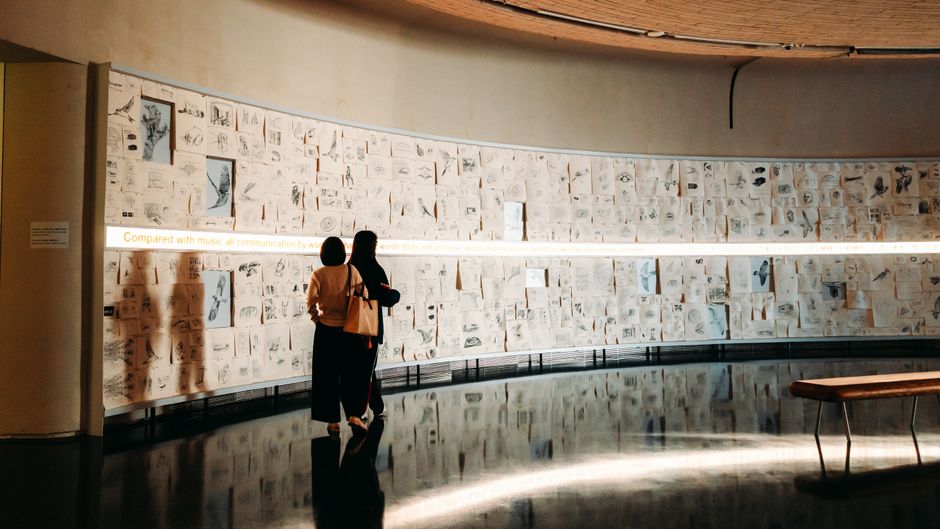
Rio de Janeiro's cultural calendar is packed tighter than it has been in a decade. From July through September, the city is hosting simultaneous exhibitions at CCBB Rio on Avenida Rio Branco, reopened just eighteen months ago after a two-year restoration, alongside a major photography biennial at the Museu de Arte Moderna in Parque do Flamengo. The timing matters: as global uncertainties rattle elsewhere, Rio is quietly establishing itself as a destination for serious art consumption, not just beach tourism and Carnival excess.
The shift reflects something larger happening across the city. Walk down Rua Lavradio in Lapa and you'll see galleries that didn't exist three years ago occupying colonial-era buildings. The neighborhood, once synonymous only with samba clubs and street parties, now hosts permanent art spaces run by local collectives. Nearby, the Centro Cultural da Luz in the historic downtown has expanded programming to include film screenings, design workshops, and theatrical performances that draw cariocas from across the metropolitan area.
First-time visitors should anchor their trips around three anchor institutions. The CCBB Rio, housed in a 1880s palace, charges no admission—a rarity for major cultural institutions globally—and currently features contemporary Brazilian and international work. The Museu de Arte Moderna sits directly on Guanabara Bay and offers views most museums can't touch; entry costs 30 reais, roughly $6 USD. Third is the Instituto Tomie Ohtake in Botafogo, a nonprofit that specializes in experimental work and hosts residencies for artists from across Latin America. Admission there runs 20 reais.
Practical advice: weekday mornings are genuinely emptier than weekends. Wednesday through Friday before 1 p.m., visitors can move through exhibitions without the crowds that pile in during afternoons. The CCBB Rio opens at 9 a.m. Most museums close Mondays.
Cultural tourism spending in Rio increased 31 percent between 2023 and 2025, according to data from the Secretaria de Cultura do Município. That doesn't rival the visitor numbers at Christ the Redeemer or Sugarloaf Mountain, but it represents sustained growth in a sector that city planners are actively trying to expand. The municipal government allocated 47 million reais to cultural infrastructure improvements this fiscal year alone—a chunk of money directed specifically at neighborhood revitalization projects in historically marginalized areas like Complexo do Alemão and Santa Teresa.
Street art remains integral to that equation. The Mural Project Rio, which launched in 2019 but has accelerated dramatically since 2024, has placed over 200 murals across favelas and suburban neighborhoods. The work isn't performative muralism—these are commissions paying local artists between 2,000 and 8,000 reais per piece, depending on scale. Several murals in the Santa Teresa and Lapa areas have become Instagram destinations, which draws tourists willing to spend money at nearby bars, restaurants, and galleries.
Plan to spend at least two full days on cultural activities if you're serious about seeing beyond the postcard version of Rio. Start at the CCBB Rio early morning, grab lunch at one of the botequins on Avenida Rio Branco—budget 35 to 60 reais for a meal and beer—then head to Lapa in late afternoon to walk through galleries before they close at 6 p.m. The next day, ferry to Museu de Arte Moderna, a boat ride that costs 13 reais and gives you unobstructed views of the city skyline and Guanabara Bay. After the museum, walk the neighboring neighborhoods of Flamengo and Botafogo, where smaller galleries and artist studios dot residential streets.
One warning: carioca museum hours remain unpredictable. Call ahead or check websites the morning of your visit. Infrastructure improvements are ongoing, but they're not always reflected in published schedules. The cultural boom here is real, but it's still organizing itself.
About this article
Published by The Daily Rio de Janeiro
Spread the word
Daily brief
Free, in your inbox before 7am. Weekdays.
The Daily Network — local news across Australia