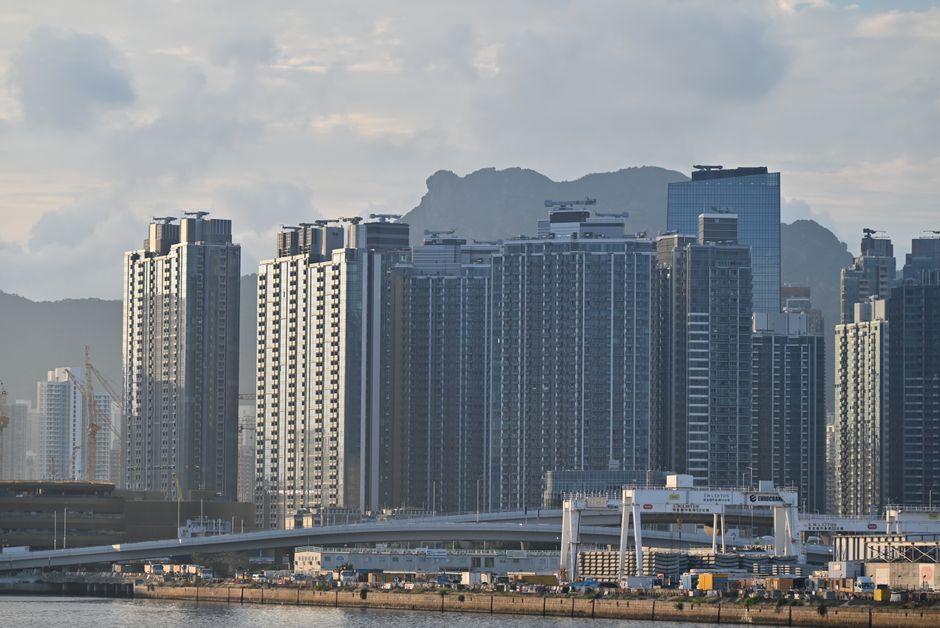
Rio de Janeiro's municipal housing deficit now stands at roughly 400,000 units, according to figures compiled by the Fundação João Pinheiro in its most recent national housing survey — a number that has grown by nearly 18 percent since 2016. That was the year the Olympic Games closed, the cameras left, and the city's poorest residents were left to absorb the consequences of a decade of infrastructure spending that never prioritised them.
Understanding how the city arrived at this point requires going back further than the Games. The roots of the current crisis run through failed federal programs, a state government that has lurched through four governors in ten years, and a city hall that repeatedly chose large capital projects over social housing maintenance.
The Minha Casa Minha Vida Years — and Where the Units Went
Between 2009 and 2016, the federal Minha Casa Minha Vida program delivered approximately 67,000 units across greater Rio de Janeiro. On paper, that sounds substantial. In practice, the bulk of those units were built in the far western zone — in Cosmos, Santa Cruz, and Campo Grande — often more than 60 kilometres from where recipients actually worked. Transport costs eroded any financial benefit. Some families sold or sublet their subsidised apartments within two years of moving in, returning to informal settlements closer to the city centre.
At the same time, the city government under successive administrations pursued a policy of removals in communities that sat on land valued for tourism or stadium access. The Vila Autódromo removal, completed ahead of the 2016 Games in Barra da Tijuca, became the most documented case internationally — roughly 500 families displaced from land they had occupied legally since the early 1990s. The Complexo da Maré, home to more than 130,000 people across 16 communities along the Linha Vermelha highway, was never formally targeted for removal but watched essential public investment pass it by for years.
Rents across the city have climbed sharply since 2022. A one-bedroom apartment in Botafogo that cost R$1,800 per month in early 2021 now averages R$3,200, according to listings compiled by the Secovi-Rio real estate syndicate in June 2026. In Tijuca, two-bedroom units have crossed R$3,800 on average. Wages have not kept pace. The national minimum wage sits at R$1,518 per month as of May 2026 — meaning a single minimum-wage earner in Rio spends more than twice their monthly income just to cover median rent in a middle-class neighbourhood.
State Collapse and the Gaps It Left Behind
Rio de Janeiro state declared a financial emergency in 2016 and spent the better part of four years under federal fiscal supervision. The Companhia Estadual de Habitação — known as CEHAB — saw its budget for maintenance of existing social housing stock cut by 43 percent between 2017 and 2020. Buildings the agency managed in Realengo and Triagem deteriorated rapidly. By 2023, a CEHAB internal audit found that 12 of its residential complexes had structural problems serious enough to warrant evacuation orders.
The Complexo do Alemão and Rocinha both received federal investment pledges under the Programa de Aceleração do Crescimento — the PAC — in 2007 and again in 2022 under the relaunched PAC 3. The teleférico cable car system installed in Alemão, inaugurated in 2011 at a cost of R$210 million, was shut down in 2016 for lack of maintenance funds and has not operated since. It stands as a precise physical symbol of the gap between ribbon-cutting and follow-through.
The current municipal administration under Prefeitura do Rio has announced a new social interest housing plan targeting 15,000 units by 2028, with priority zones identified in the North Zone districts of Méier and Engenho Novo. Whether the financing holds — given federal budget pressures and Rio state's still-fragile fiscal position — is the central question residents and housing advocates are now watching. Community groups including the Centro de Defesa dos Direitos Humanos da Maré have called for a public audit of the plan's financing structure before any further announcements. The next municipal housing committee meeting is scheduled for July 14 at the Câmara Municipal on Rua da Relação.