This article was generated by AI from the linked public sources. The Daily Rio de Janeiro is independently owned and covers Rio de Janeiro news free from advertiser or sponsor influence. Read our editorial standards →
The city of Rio de Janeiro is facing a unique challenge: the proliferation of duplicate images in public spaces, which is affecting the way community members interact with their environment.
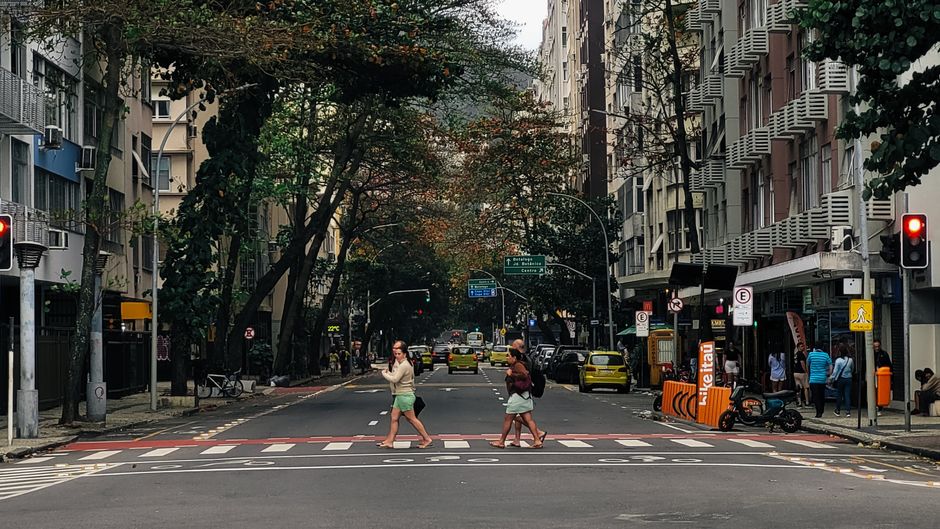
This issue matters now because it is altering the aesthetic and cultural landscape of the city, making it difficult for residents and visitors to distinguish between authentic and replicated images. The problem is particularly pronounced in areas with high foot traffic, such as Copacabana and Ipanema, where the duplicate images are often used for commercial purposes.
In Rio de Janeiro, the duplicate image replacement issue is being felt in specific neighborhoods, including Santa Teresa and Lapa, where local artists and business owners are speaking out against the practice. The Rio de Janeiro State University (UERJ) and the Municipal Secretary of Culture have launched initiatives to address the problem, including workshops and guided tours to promote the appreciation of original artwork. For example, the famous Escadaria Selarón in Lapa has been targeted by duplicate image replacement, with fake versions of the iconic staircase appearing in other parts of the city.
Understanding the Scope of the Problem
According to data from the Rio de Janeiro City Hall, the number of reported cases of duplicate image replacement has increased by 25% in the past year, with the majority of incidents occurring in the South Zone of the city. The cost of removing and replacing the duplicate images is estimated to be around R$10,000 per month, which is a significant burden on the city's budget. As of June 2026, the city has spent R$120,000 on duplicate image replacement removal efforts.
Community members are advised to report any instances of duplicate image replacement to the authorities and to support local artists and businesses that promote original artwork. Residents can also participate in the UERJ's workshops and guided tours to learn more about the issue and how to address it. By working together, the community can help to preserve the unique cultural identity of Rio de Janeiro and prevent the proliferation of duplicate images in public spaces.
Covering news in Rio de Janeiro. This article was generated by AI from the linked sources and was not reviewed by a human editor before publishing. See our editorial standards.