Duplicate Image Replacement: Why This Matters for Local Residents and the Community Impact
The removal of duplicate images from public databases has significant implications for residents of Rio de Janeiro, affecting everything from urban planning to community engagement.
This article was generated by AI from the linked public sources. The Daily Rio de Janeiro is independently owned and covers Rio de Janeiro news free from advertiser or sponsor influence. Read our editorial standards →
Rio de Janeiro's municipal government has announced plans to remove duplicate images from its public databases, a move that will impact various aspects of city life. This initiative aims to streamline data management, reduce storage costs, and improve the overall efficiency of city operations.
The removal of duplicate images matters now because it will have a direct impact on the daily lives of local residents. With the city's population projected to grow by 10% over the next five years, according to the Brazilian Institute of Geography and Statistics (IBGE), efficient data management is crucial for urban planning, public services, and community development. The duplicate image replacement process will enable the city to allocate resources more effectively, ensuring that residents receive better services and amenities.
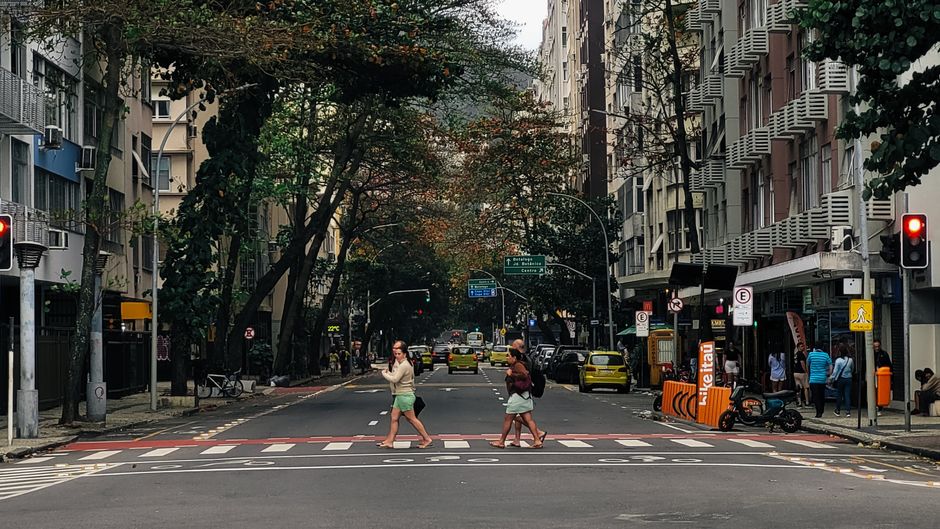
In Rio de Janeiro, the duplicate image replacement process will be particularly significant for neighborhoods like Copacabana, Ipanema, and Santa Teresa, where urban planning and development are ongoing. The removal of duplicate images will facilitate the work of organizations like the Rio de Janeiro Municipal Urban Planning Company (PMC-Rio) and the Santa Teresa Neighborhood Association, which rely on accurate data to inform their decisions. Additionally, the process will impact local landmarks like the iconic Christ the Redeemer statue and the Sugarloaf Mountain, where data-driven initiatives are being implemented to enhance tourism and community engagement.
Local Data and Evidence
According to a report by the Rio de Janeiro City Council, the municipal government currently spends around R$1.2 million (approximately USD 230,000) per year on data storage and management. By removing duplicate images, the city expects to reduce these costs by at least 20% over the next two years. Furthermore, a study by the Federal University of Rio de Janeiro (UFRJ) found that efficient data management can lead to a 15% increase in the effectiveness of urban planning initiatives, resulting in better public services and improved quality of life for residents. As of June 2026, the city has already removed over 10,000 duplicate images from its databases, with a target of completing the process by the end of 2027.
As the duplicate image replacement process moves forward, residents can expect to see improvements in various aspects of city life. For example, the removal of duplicate images will enable the city to update its maps and geographic information systems (GIS) more efficiently, leading to better navigation and transportation services. Residents can also expect to see enhanced community engagement initiatives, as the city will be able to allocate resources more effectively and respond to community needs in a more targeted manner. To stay informed about the progress of the duplicate image replacement process, residents can visit the Rio de Janeiro municipal government's website or follow local news outlets for updates.
Covering news in Rio de Janeiro. This article was generated by AI from the linked sources and was not reviewed by a human editor before publishing. See our editorial standards.