News
Rio's Public Spaces Battle Growing Duplicate Image Problem
A closer look at the factors contributing to the proliferation of duplicate images in Rio's public spaces, from street art to advertising.
3 min read
Updated 4 h ago
News
A closer look at the factors contributing to the proliferation of duplicate images in Rio's public spaces, from street art to advertising.
3 min read
Updated 4 h ago
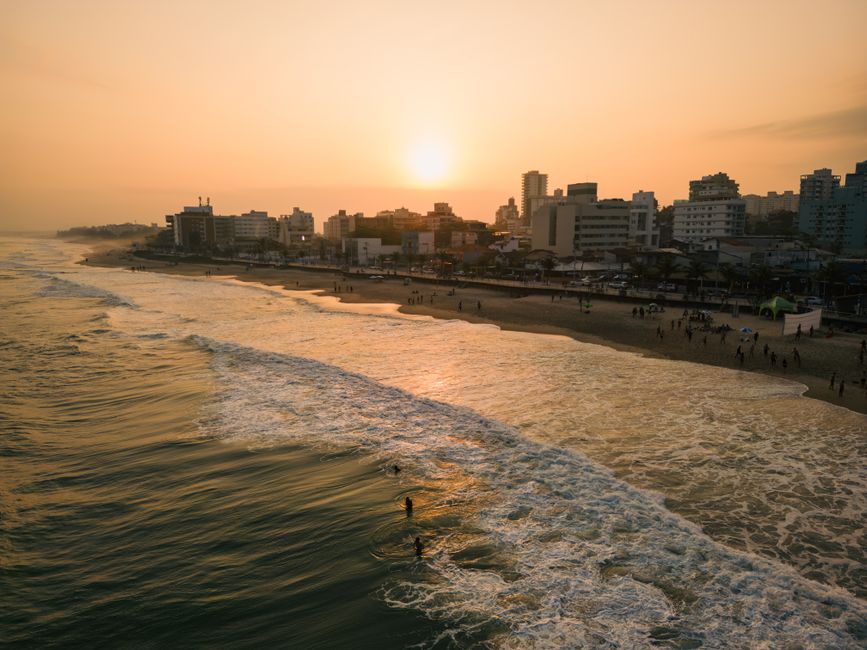
Rio de Janeiro is grappling with a unique issue: the proliferation of duplicate images in public spaces, from street art murals in Santa Teresa to advertisements in Copacabana. This phenomenon has sparked debates about originality, creativity, and the role of technology in art and commerce.
The issue matters now because it reflects broader concerns about the city's cultural identity and its ability to balance tradition with innovation. As Rio de Janeiro continues to evolve as a global tourist destination and cultural hub, the presence of duplicate images raises questions about the value placed on authenticity and local talent. The city's vibrant cultural scene, which includes the famous Escadaria Selarón and the Museum of Modern Art (MAM Rio), is built on a foundation of creativity and self-expression, making the rise of duplicate images a significant challenge.
In Rio de Janeiro, specific neighborhoods like Lapa and Botafogo have seen a surge in duplicate images, often in the form of street art or graffiti. The city's iconic landmarks, such as the Christ the Redeemer statue and Sugarloaf Mountain, are frequently reproduced in advertisements and souvenirs, contributing to the proliferation of duplicate images. Local organizations, including the Rio de Janeiro State Culture Secretariat and the Brazilian Institute of Museums (IBRAM), have initiated programs to promote original art and cultural expression, such as the annual Rio Art Festival, which showcases local artists' work in venues like the Rio Art Museum (MAR) and the Oi Futuro cultural center in Flamengo.
According to data from the Brazilian Institute of Geography and Statistics (IBGE), the number of street art murals in Rio de Janeiro increased by 25% between 2020 and 2025, with many of these murals being reproductions of existing works. Furthermore, a survey conducted by the Rio de Janeiro City Hall found that 60% of local residents believe that the presence of duplicate images negatively impacts the city's cultural scene. The cost of producing original art, which can range from R$5,000 to R$50,000 or more per piece, depending on the size and complexity, is a significant barrier for many local artists, making it more challenging for them to compete with cheaper, mass-produced duplicate images.
As the city moves forward, addressing the issue of duplicate images will require a multifaceted approach that involves local government, cultural institutions, and the community. Practical steps include supporting local artists through initiatives like the Rio de Janeiro City Hall's Cultural Incentive Law, which provides funding for cultural projects, and promoting education and awareness about the value of original art and cultural expression. By understanding the background context and how we arrived at this point, Rio de Janeiro can work towards preserving its unique cultural identity and promoting a more vibrant, authentic cultural scene for residents and visitors alike.
News
News
News
News
About this article
Published by The Daily Rio de Janeiro
Spread the word
Daily brief
Free, in your inbox before 7am. Weekdays.
The Daily Network