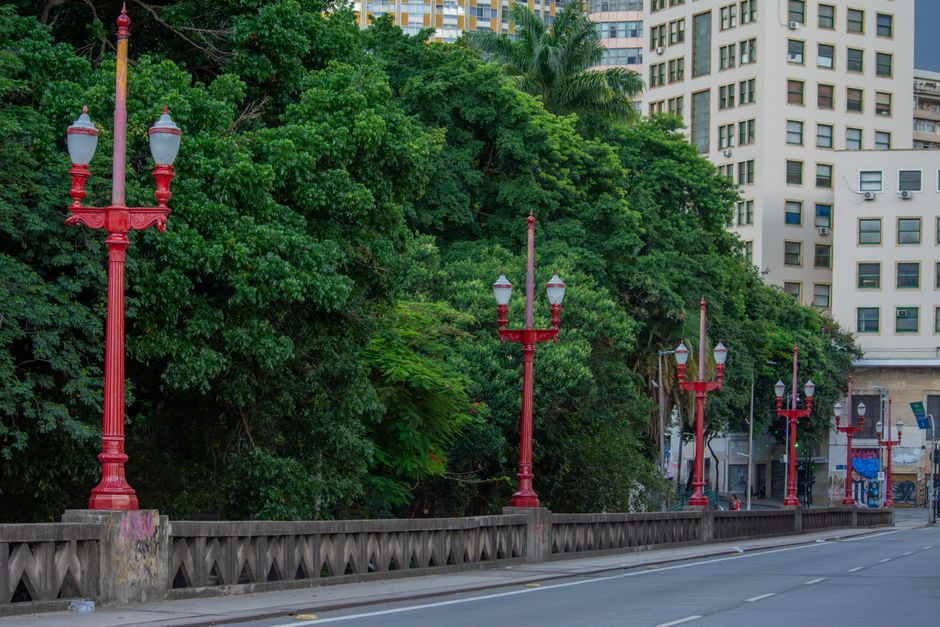
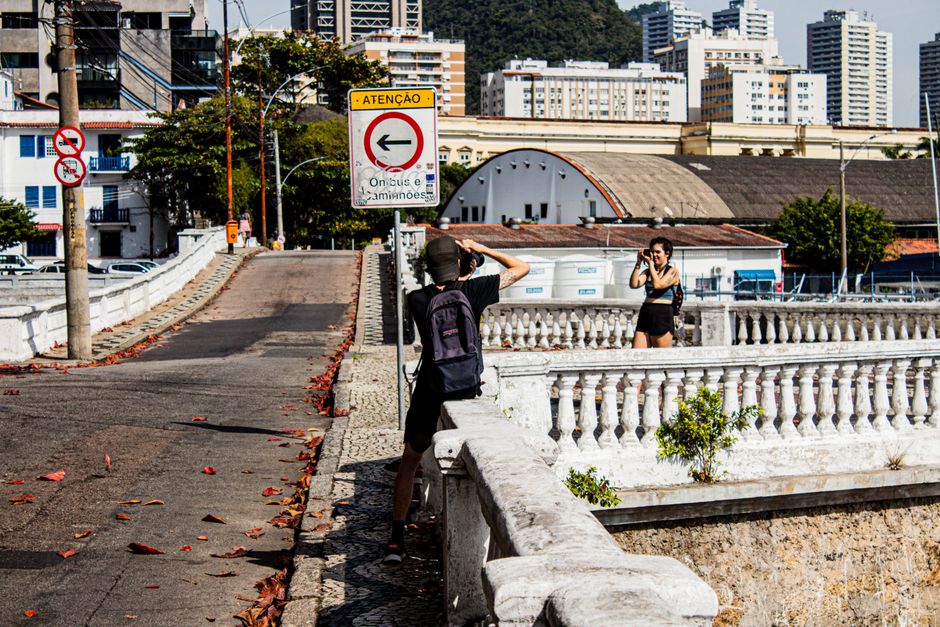
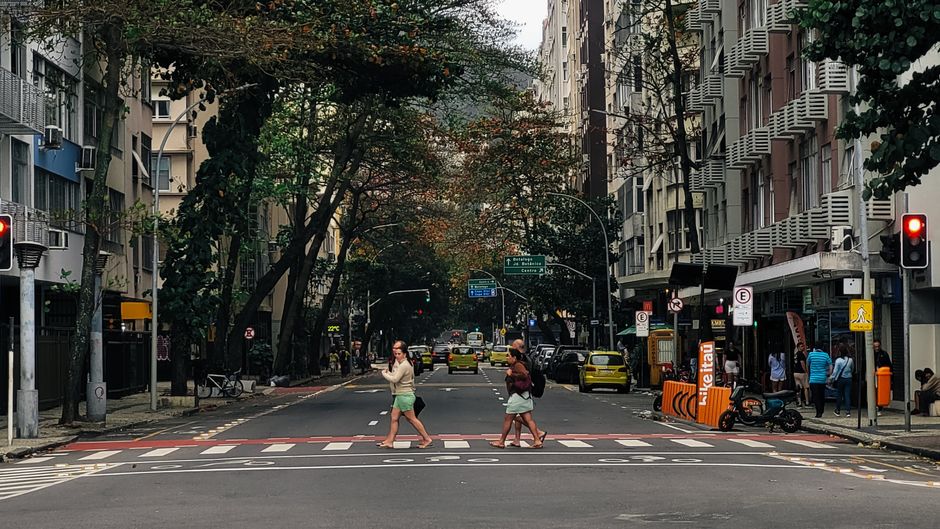
A growing problem buried inside Rio de Janeiro's digital bureaucracy is catching residents off guard: duplicate images — the same photograph used across multiple property listings, construction permit filings, and municipal database entries — are undermining trust in city records and, in some cases, costing cariocas money. The issue has surfaced across several formal complaints filed with the Secretaria Municipal de Habitação in recent months, with residents in neighborhoods from Tijuca to Bangu reporting that photographs attached to their addresses on official portals do not actually show their properties.
The timing matters. Rio is mid-way through an ambitious digital overhaul of its urban planning systems. The Prefeitura launched the Plano Diretor revision process in 2024, pushing more property data, zoning maps, and permit records online through the GeoRio platform. More residents than ever are consulting these databases — and more are encountering the same stock or recycled image attached to addresses that should carry unique documentation.
In Santa Teresa, where colonial-era casarões are subject to heritage protection rules enforced by the Instituto Rio Patrimônio da Humanidade, duplicate images in permit files have complicated renovation approvals. When inspectors cannot confirm that a submitted photograph matches the actual structure under review, they must schedule physical site visits — a process that, according to the institute's published procedural guidelines, adds a minimum of 15 working days to any approval timeline.
The problem extends beyond property transactions. Community associations in the Complexo do Alemão have flagged cases where infrastructure improvement requests submitted to the Subprefeitura da Zona Norte were paired with photographs of entirely different streets — making it impossible for technicians reviewing the requests remotely to assess actual conditions on Rua Joaquim de Queirós or the surrounding access roads.
Why This Happens and What the City Is Doing
Digital records specialists familiar with municipal systems describe a common root cause: batch uploads during legacy data migration. When the city moved older paper-based files to digital format — a process that accelerated significantly between 2019 and 2022 — technicians working under deadline pressure sometimes attached placeholder or repeated images to entries where original photographs were missing, damaged, or never taken. Those images became embedded in the system and, without a robust deduplication protocol, have persisted.
The GeoRio platform, maintained by the Instituto Pereira Passos, does include image metadata fields designed to prevent exact duplicates from being saved under different addresses. But metadata matching alone does not catch images that have been slightly cropped, resized, or saved under different filenames — a common workaround that slips through automated filters.
Residents who discover a duplicate image attached to their address have a formal recourse path. The Prefeitura's central services portal, the Carioca Digital app, allows property owners to submit a Solicitação de Correção Cadastral. The standard processing time listed on the portal is 30 business days, though residents in Tijuca and Realengo who have filed such requests report actual wait times closer to 45 days during peak periods.
The practical advice for anyone about to buy, sell, renovate, or apply for public services linked to a Rio address: check your property's image record on the GeoRio platform before submitting any formal application. Do a reverse image search on the photograph shown. If the same image appears linked to a different address in the system, file the correction request immediately — before a bank assessor, a heritage inspector, or a municipal technician does it for you and puts your timeline in jeopardy. Getting ahead of the problem by even two weeks can make the difference between a smooth process and one that drags into a new fiscal quarter.