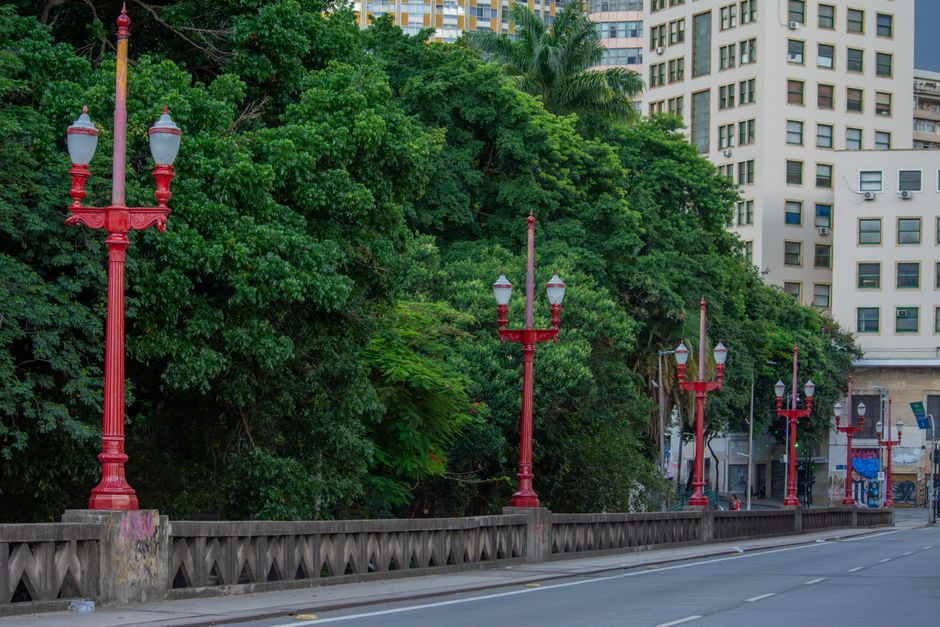
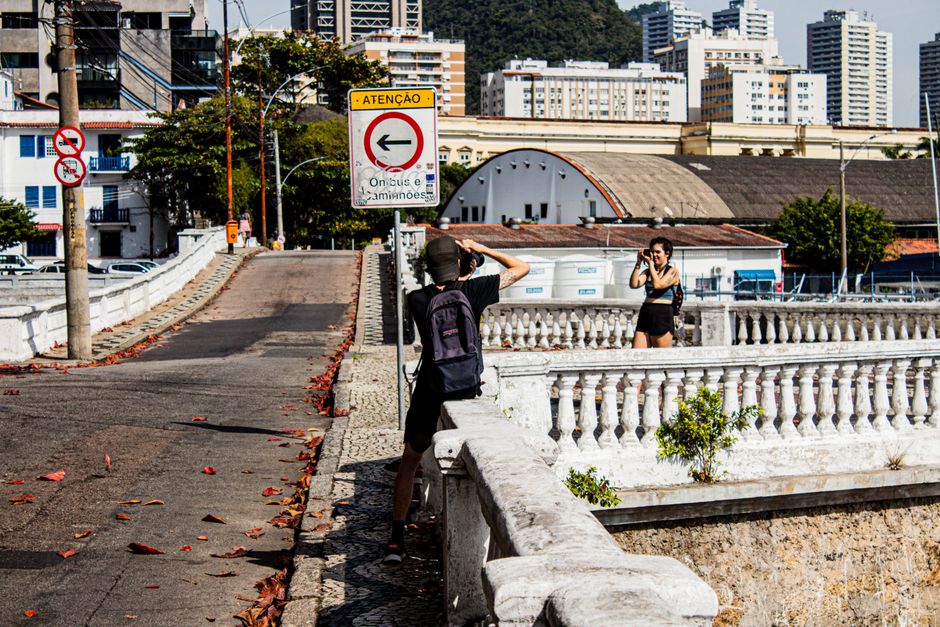
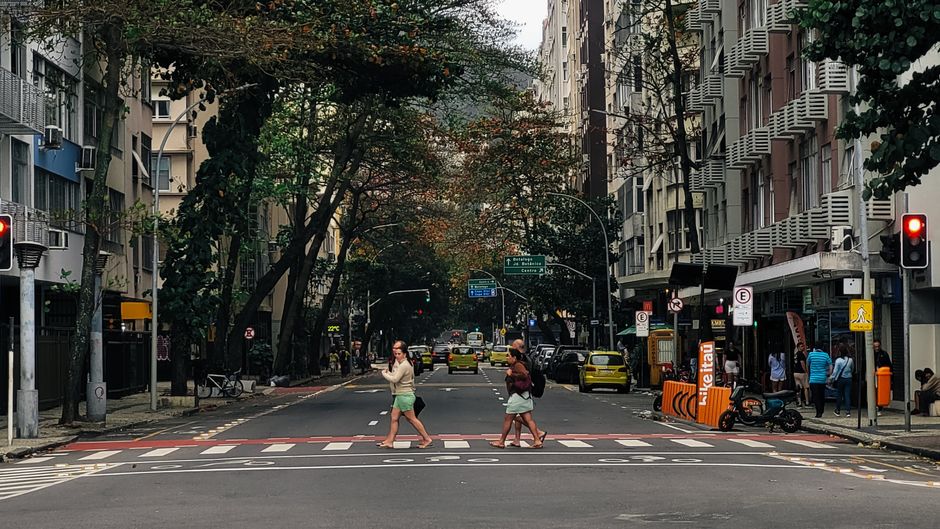
Rio de Janeiro's municipal digital infrastructure has a problem hiding in plain sight. Across multiple city agencies, the same photographs — of Copacabana beachfront renovations, Maracanã stadium upgrades, favela urbanisation projects in Complexo do Alemão — exist in duplicate, triplicate, and sometimes dozens of identical copies, clogging servers and distorting official records used for planning, journalism, and public accountability.
The issue matters now because Rio is mid-way through an ambitious digital governance overhaul tied to the Prefeitura Municipal's Plano de Governo Digital 2025–2028, which sets binding targets for data efficiency and archive integrity across all secretariats. Redundant image files are not a cosmetic nuisance; they inflate storage costs, slow down public-access portals, and — critically — can cause older versions of sensitive urban planning documents to surface alongside authoritative current records, creating confusion for engineers, researchers, and journalists trying to track how city decisions evolved.
A Problem Built Over Three Decades of Piecemeal Digitisation
The roots of the problem stretch back to the early 1990s, when individual secretariats began digitising their own photographic archives independently, with no central standard. The Secretaria Municipal de Urbanismo maintained one system. The Instituto Pereira Passos, the city's official urban research arm based in the Centro district, ran another. The Arquivo Geral da Cidade, housed on Avenida Gomes Freire, used a third platform entirely. When these systems were eventually networked — a process that accelerated sharply after 2010 as Rio prepared for the 2014 World Cup and 2016 Olympics — the databases were merged without a deduplication protocol. Files migrated wholesale, copies and all.
The Olympic preparation period is particularly significant. Between 2009 and 2016, the Secretaria de Obras commissioned thousands of photographic surveys of infrastructure sites stretching from Barra da Tijuca to the Zona Portuária. Each survey was filed independently by contractors, then uploaded again by internal teams, then archived a third time by supervisory agencies. No single office held authority over the master record. By the time the Games ended, the problem was structural.
The Instituto Pereira Passos acknowledged the scale of the challenge in a 2023 internal review — the most recent publicly available assessment — which found that image duplication rates in certain legacy collections exceeded 40 percent of total stored files. That figure represented tens of thousands of redundant entries across databases covering neighbourhood-level urban change from Santa Teresa to Jacarepaguá.
The Push Toward a Fix
The current administration's digital governance plan commits to a unified metadata standard across all municipal image repositories by the end of 2027. The Instituto Pereira Passos is leading the technical standardisation work, coordinating with the Empresa Municipal de Informática — known as Iplanrio — which manages the city's core IT infrastructure from its offices near Praça XV de Novembro in Centro.
The process involves more than automated deduplication scripts. Human archivists must adjudicate cases where two near-identical images differ in a meaningful way — a photograph of Avenida Presidente Vargas taken hours apart before and after a flooding event, for instance, may look like a duplicate to an algorithm but carries distinct evidentiary value. This combination of machine screening and expert review is what makes the project expensive and slow. Budget allocations for the 2026 fiscal year earmarked R$4.2 million for digital archive modernisation citywide, according to the Prefeitura's Lei Orçamentária Anual published in December 2025.
For residents and civil society groups who rely on the city's public image portals to monitor urban change in their communities — from housing rights organisations in Rocinha to heritage preservation groups in Santa Teresa — the practical upshot is straightforward. Cleaner archives mean more reliable access to records that document how public space is managed, sold, or altered. Once the deduplication work reaches the public-facing layer of Rio's data portals, expected in phased releases through 2027, users searching for historical imagery of specific streets or projects should find results that are faster to load and easier to verify as authoritative. That, at least, is the plan.