Property
How Much Rent Is Too Much? The 30% Rule in Practice in Rio de Janeiro
With Rio’s relentless real estate market, the classic rent-to-income guideline is under pressure. We dig into what 30% of a Rio salary actually buys.
3 min read
Property
With Rio’s relentless real estate market, the classic rent-to-income guideline is under pressure. We dig into what 30% of a Rio salary actually buys.
3 min read
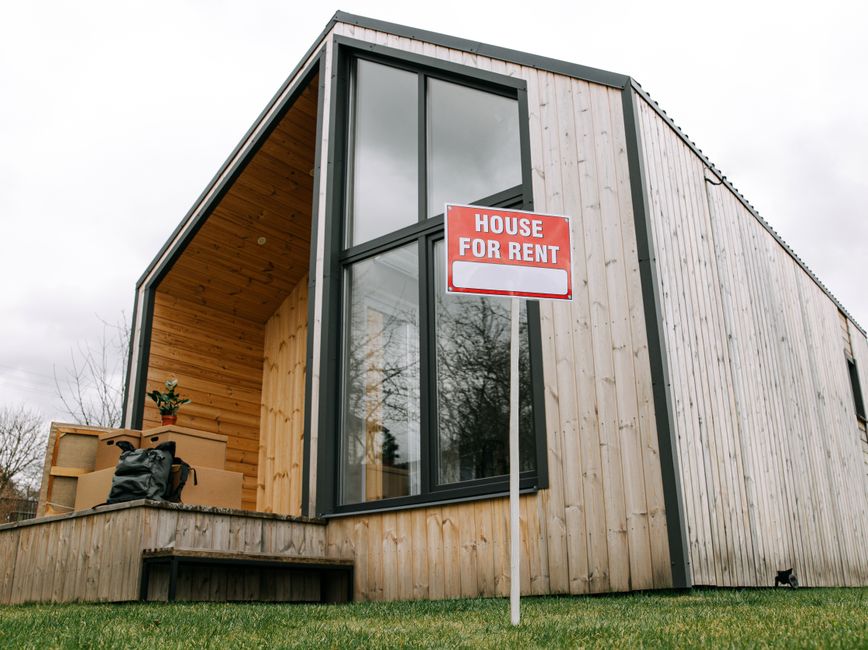
On Rua Santa Clara in Copacabana, a typical two-bedroom apartment rents for R$4,200 a month. For most Rio de Janeiro households, that figure is enough to break the so-called 30% rule, sparking debate among renters and housing advocates over how much rent is simply too much in 2026.
Residents across the city face soaring prices as both international investors and returnees from São Paulo compete for limited supply. Bank records from Caixa Econômica Federal reveal a 17% average rise in residential rents across Zona Sul in the past year—a pace that outstrips official wage growth, according to IBGE’s June 2026 labor report. With June’s cost-of-living bump, the question of what constitutes manageable rent is more urgent than ever for cariocas.
Traditionally, the 30% rule—spending no more than 30% of monthly pre-tax income on rent—served as a benchmark for fiscal health. But in neighborhoods like Botafogo, Leblon, and Ipanema, that threshold now feels out of touch. For a median household earning R$7,000 a month (IBGE, Q2 2026), 30% sets the rent ceiling at R$2,100. In practice, few listings fall below that. Along Avenida Nossa Senhora de Copacabana, even modest studios start at R$2,500, local listings from QuintoAndar confirm.
Organizations like Casa Fluminense and the Rio Housing Observatory have tracked an uptick in renters paying far beyond the guideline. In Méier and Vila Isabel, rent-to-income ratios above 40% are the new normal, especially for young professionals and single-parent families. "The rise is sharpest in areas with improved infrastructure and transit access," reports Casa Fluminense, which recently mapped rent burdens along the expanded MetrôRio Line 2 corridor.
Rental data compiled by Zap+ in May 2026 showed median rents in Leblon at a record R$7,900—nearly 70% higher than the local median household income. Across Zona Norte, rents are milder but climbing: Penha’s median apartment now leases for R$1,850, but wage stagnation means even there, affordability is far from assured. The citywide trend highlights a disconnect. The National Unequal Cities Observatory flagged Rio de Janeiro as the Southeastern capital with the largest gap between rent inflation and wage growth since 2023.
Record-breaking temperatures and successive heatwaves have compounded the financial pressure, driving up utility bills and adding to the monthly burden for renters who must run air conditioning through the hottest months on record, according to Light S.A., the city’s main electricity supplier. "We are seeing high demand but stagnant incomes—people are forced into tough tradeoffs," says a spokesperson for the Rio Tenants’ Union, which has reported a 30% increase in requests for emergency rent relief since April.
Despite calls to update the 30% guideline, most financial planners and housing experts still view it as a useful starting point. The city has tried to counterbalance the tide with the Morar Carioca housing initiative, prioritizing new affordable units in Campo Grande and Santa Cruz. But the waiting list for eligibility through the Secretaria Municipal de Habitação surpassed 32,000 households in June, underscoring how demand continues to outpace intervention.
For renters, arithmetic matters. Calculate gross household income, factor utilities (up 12% citywide in May), and consider the long-term risk of breaking the 30% barrier. For those hunting under R$3,000 per month, expanding the search radius remains the best advice. Meier, Madureira, and Benfica offer relative bargains, though commuting times climb. As temperatures and rents tick higher this winter, so does the urgency to find balance—or for officials to step up action. For now, the 30% rule is as much an aspiration as a reality for most cariocas navigating Rio’s unforgiving rental market.
About this article
Published by The Daily Rio de Janeiro
Spread the word
Daily brief
Free, in your inbox before 7am. Weekdays.
The Daily Network — local news across Australia