Property
These Rio Suburbs Now Cheaper to Buy Than Rent, Surprising Many
Monthly mortgage payments have dropped below rental rates in parts of Rio’s West Zone and Baixada Fluminense as the city’s property market shifts.
3 min read
Updated 1 h ago
Property
Monthly mortgage payments have dropped below rental rates in parts of Rio’s West Zone and Baixada Fluminense as the city’s property market shifts.
3 min read
Updated 1 h ago
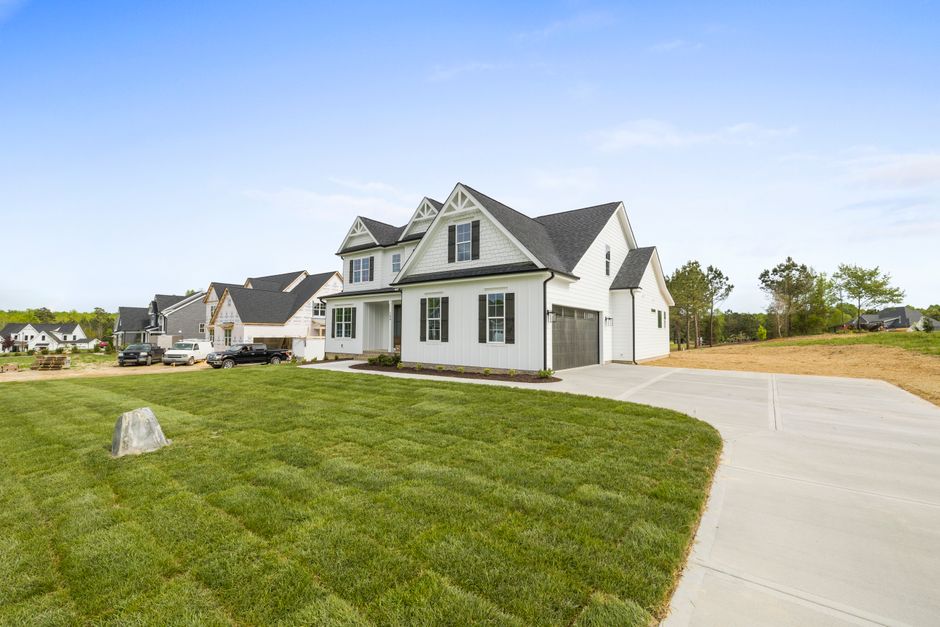
If you’re house-hunting between Campo Grande and Nova Iguaçu this year, you might have noticed a rare phenomenon: it’s now cheaper to buy than to rent in some of Rio de Janeiro’s outer suburbs. According to new research from Sinduscon-Rio, lower mortgage rates and sticky rental costs have tipped the affordability balance, putting home ownership—for now—within closer reach for some first-time buyers.
This shift comes at a time when Rio’s rental market is feeling the strain of relentless demand. Rents have surged in many neighbourhoods, fuelled by the post-pandemic wave of remote workers, rising migration from other states and a sharp drop-off in new rental listings last quarter. With urbanites priced out of coastal areas like Botafogo and Copacabana, more are flocking to sprawling suburban zones, where prices have traditionally lagged behind city averages.
Sinduscon-Rio’s June bulletin highlighted Campo Grande, Realengo and Nova Iguaçu as standout districts where monthly mortgage costs under Brazil’s Minha Casa Minha Vida programme now undercut average rents. In Campo Grande, a 60-square-metre, two-bedroom apartment fetches an average rent of R$1,400 per month. But local realtors like Lopes Rio report new units selling for R$220,000, translating to a mortgage payment of roughly R$1,050 at current Caixa Econômica Federal rates of 8.5% per annum, assuming a 20% down payment and 30-year loan.
Nova Iguaçu, sitting on the SuperVia commuter rail line, displays a similar pattern. Debora Silva, a property manager at Imobiliária Limão, says that rents for basic family apartments have jumped by 19% since last July, averaging R$1,200 monthly, while bank-backed financing for comparable properties starts at R$900 per month—not counting condo fees and property tax. Realengo, closer to Bangu Shopping and key bus routes, tells the same story: buyers can secure a small flat for less than the median monthly rent, especially in new developments near Estrada do Realengo.
The shift is visible in numbers published last week by FIPEZAP, which monitors real estate trends across major cities. Their June 2026 survey found that the median gross rental yield in Campo Grande has climbed to 7.8%, up from 6.2% three years ago, while mortgage rates have stayed near historic lows following Banco Central’s post-election cuts in late 2025. Across the city, the price-to-rent ratio for middle-segment units now stands at 19.5 years—the lowest since 2012. That figure drops to between 13 and 15 in these highlighted western and northern suburbs, making ownership a more compelling option, at least until either rates or prices significantly shift.
One caveat: homebuyers must factor in upfront transaction costs (including ITBI at 2% in Rio), ongoing condo fees that routinely surpass R$300 monthly even in the outskirts, and the ever-present risk of price volatility. "Each client’s calculation is different, depending on how long they’ll stay and how much equity they can front," said an economist at Fundação Getúlio Vargas, speaking on background.
For renters feeling squeezed by relentless increases, now might be the moment to consult a mortgage broker or check eligibility for municipal and federal down payment assistance schemes. But industry insiders warn that low rates may not last as inflationary pressures rise and developers struggle with escalating construction costs. Still, in Rio’s fast-evolving property scene, suburbs like Campo Grande and Nova Iguaçu have become outliers—places where buying a modest home could actually save you money every single month, at least for now.

Property

Property
Property

Property
About this article
Published by The Daily Rio de Janeiro
Spread the word
Daily brief
Free, in your inbox before 7am. Weekdays.
The Daily Network — local news across Australia