Property
The Rent-Vesting Strategy Explained for This Market
Younger professionals in Rio are buying where it's affordable and renting where they want to live—here's how the numbers add up in Copacabana, Barra, and beyond.
4 min read
Property
Younger professionals in Rio are buying where it's affordable and renting where they want to live—here's how the numbers add up in Copacabana, Barra, and beyond.
4 min read
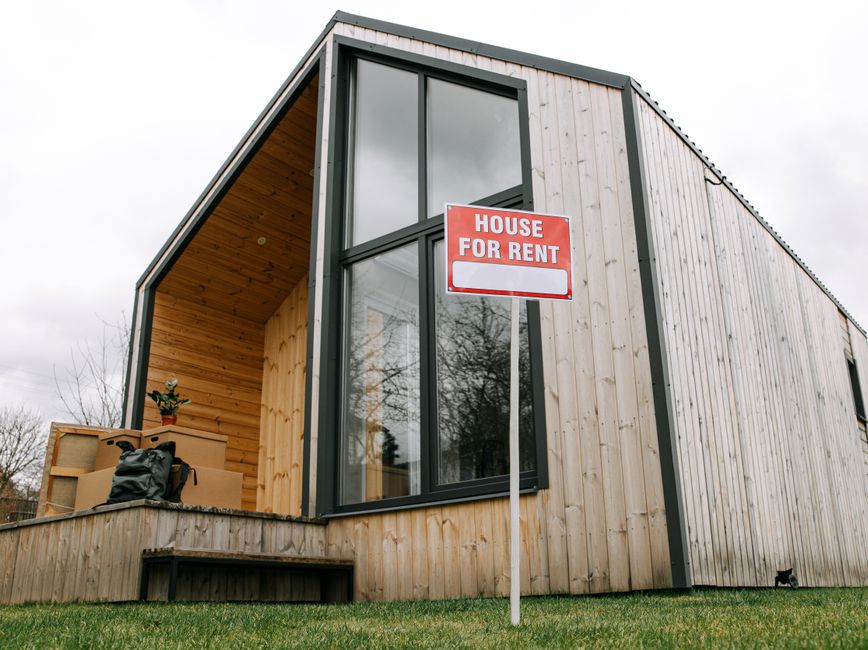
Rising rents across central Rio de Janeiro are pushing a new generation of property-seekers toward 'rent-vesting': buying investment apartments in cheaper outer suburbs and continuing to rent in the city’s most desirable neighbourhoods. Recent figures from the Sindicato da Habitação show a 17% year-on-year jump in rental prices in Leblon, with similar gains in Ipanema. But the pace of wage growth hasn’t kept up, sparking creative strategies for long-term wealth building among cariocas in their twenties and thirties.
This matters now as Rio’s urban core faces an affordability squeeze not seen since the Petrobras-driven boom years. Wages are stagnant for many middle-income professionals, yet the pull of coastal living and proximity to offices along Avenida Atlântica and in Centro keeps demand for rentals high. For many, scraping together a 20% down payment for a two-bedroom on Rua Bulhões de Carvalho is out of reach—but investing in a new 45-square-metre flat in Santa Cruz or Campo Grande is still viable, with off-plan units from national developer MRV Engenharia starting under R$270,000.
The rent-vesting model allows buyers to enter the property market by purchasing outside prime zones like Copacabana or Flamengo, then letting the asset generate rental income or capital gains while they themselves rent in more central—or simply trendier—neighbourhoods. Sarah Cardoso, who works in technology, lives in Botafogo, steps from the Casa Firjan tech hub, but owns a two-bedroom in Jacarepaguá purchased in late 2024. She rents out her Jacarepaguá apartment, using the income to help pay her own R$3,200 monthly rent.
“If I tried to buy in Botafogo, I’d need at least R$1.1 million up front,” Cardoso explains. “But I got started with half the down payment by going west.” Rental yields in western districts like Recreio and Jacarepaguá are currently running at 4%–5% per year, according to data from Secovi Rio, compared with just 2% in Urca. In the city centre, vacancy rates are hovering near historic lows, with some buildings near Largo da Carioca posting a 98% occupancy as of June 2026.
The numbers tell the story. Median rent for a two-bedroom flat in Flamengo in June stood at R$4,050 per month, up from R$3,240 just twelve months ago. By contrast, the same amount can buy a new two-bedroom off Avenida das Américas in Barra da Tijuca for around R$520,000, or a pre-owned unit for less. Data from FipeZap shows that while mortgage rates have come down slightly—now averaging 9.1% for 30-year fixed loans—monthly payments for apartments in prime neighbourhoods are still nearly double typical rents.
In less glamorous areas, especially along transit corridors like the TransOeste BRT line, property prices remain below R$350,000 for small units, making rent-vesting feasible on a median professional’s salary. FGV’s regular consumer confidence index, meanwhile, shows middle-class optimism about long-term value gains in emerging districts, especially as transit expansions draw more young families to the west.
While rent-vesting isn’t for everyone, Rio’s sharply uneven property market dynamics mean it’s increasingly featured in the monthly seminars held by organizations like ABECIP and Caixa Econômica Federal’s workshops for first-time buyers at their Largo da Carioca branch. Local financial planners point out it demands careful management of rental agreements and ongoing tax obligations, but can help buyers avoid 'lifestyle compromise' in the short term.
For those considering the leap, checking the fine print on rental contracts and getting independent property valuations—especially for buildings more than 20 years old in Campo Grande—remain critical steps. With Copa’s median sale price still hovering above R$15,000 per square metre, rent-vesting will likely remain a practical option for Rio’s aspirational renters wary of betting it all on beachfront bricks and mortar.
About this article
Published by The Daily Rio de Janeiro
Spread the word
Daily brief
Free, in your inbox before 7am. Weekdays.
The Daily Network — local news across Australia