Property
Build-to-Rent in Rio: What New Rental Developments Really Offer Tenants
Purpose-built rental buildings are spreading through Rio, but are they a better deal than buying or traditional renting?
3 min read
Property
Purpose-built rental buildings are spreading through Rio, but are they a better deal than buying or traditional renting?
3 min read
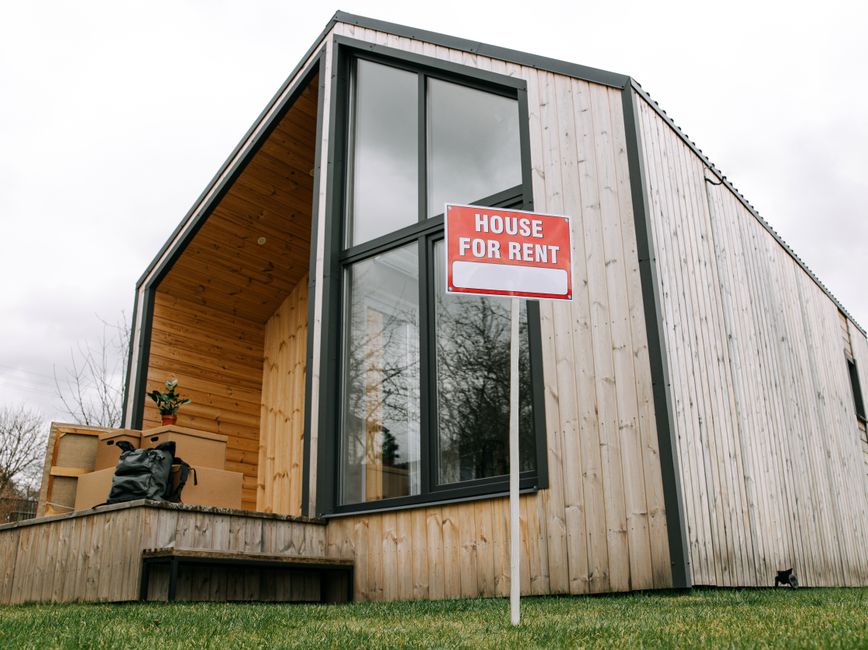
In Leblon, a new development called Residencial Nove has filled almost half of its 96 build-to-rent units in just six weeks, with young professionals and small families signing leases sight unseen. The project, backed by Gafisa and local fund XP Asset, is betting that Rio’s surging rental demand will keep driving interest even as traditional homeownership becomes out of reach for many.
Property analysts say the moment is ripe for build-to-rent (BTR) projects in Rio de Janeiro. This June, IBGE reported apartment prices in Zona Sul and Barra da Tijuca reaching record highs, while the average cost to finance a mortgage on a 75-square-meter property hit R$7,200 per month—R$2,000 more than the median local wage. Meanwhile, tenancy laws that previously discouraged institutional landlords have loosened, and local authorities welcome new partners for urban revitalization efforts, especially around the port and Glória.
The trend is most visible in high-traffic neighborhoods like Botafogo and Barra Funda. Track Realty’s Nova Praia complex on Rua Visconde de Pirajá, for example, includes a coworking space and a dog park on the rooftop. Tenants there sign contracts directly with the building’s management company—no individual landlord or property manager, just an app and a dedicated in-house team handling everything from maintenance to gym bookings.
For tenants, BTR can mean more predictable costs. Nova Praia offers all-inclusive rents starting at R$5,100 a month for a furnished studio, with utilities, wi-fi, and building amenities bundled together. That compares to R$4,750 for a comparable unfurnished apartment nearby, where condo fees and IPTU taxes are extra and upgrades are at the renter’s expense. In central areas like Glória, the BTR model has also appealed to expats and digital nomads, many of whom cannot meet the strict guarantor requirements typical for traditional rentals in Brazil.
Data from QuintoAndar shows median apartment rents in Rio rose 14% year-over-year as of May, outpacing both inflation and wage growth. In Leblon and Ipanema, asking rents hit a new high of R$82 per square meter in June. By contrast, monthly mortgage payments (excluding down payments, taxes, and maintenance) now average R$7,600 across Zona Sul. For Rio residents who lack the 20% down payment and stable full-time contracts often demanded by banks, BTR’s lower barrier to entry and enhanced amenities are a compelling draw.
Gafisa’s chief product officer confirmed to The Daily Rio de Janeiro that over 40% of tenants in their Zona Sul projects are under 35, with nearly one-third relocating from outside the state—data the company believes signals a generational shift in housing priorities.
Still, would-be tenants need to read the fine print. While BTR buildings promote concierge service and fitness studios, they often restrict customization—no knocking down walls or painting bedrooms bright green. Most contracts promise only annual rent adjustments, though some include steeper increases after the initial term. And because these buildings often cater to short-term or flexible tenants, longer leases can be harder to negotiate for families seeking security.
Looking ahead, property experts expect at least a dozen additional BTR projects to open in 2027, from Flamengo’s revitalized waterfront to emerging hubs like Maracanã. For Rio residents weighing renting against buying, the arrival of professionally managed build-to-rent options adds an important new variable—but as always, location and lifestyle needs should drive the decision. For now, tenants like those at Residencial Nove suggest demand is strong enough that the model is here to stay.

Property
Property

Property

Property
About this article
Published by The Daily Rio de Janeiro
Spread the word
Daily brief
Free, in your inbox before 7am. Weekdays.
The Daily Network — local news across Australia