Property
Rio Property Listings Linger as Vendor Discounts Widen Across Key Neighbourhoods
Slower sales and larger asking price cuts reshape the balance between buyers and sellers in Leblon, Barra and beyond.
3 min read
Updated 1 h ago
Property
Slower sales and larger asking price cuts reshape the balance between buyers and sellers in Leblon, Barra and beyond.
3 min read
Updated 1 h ago
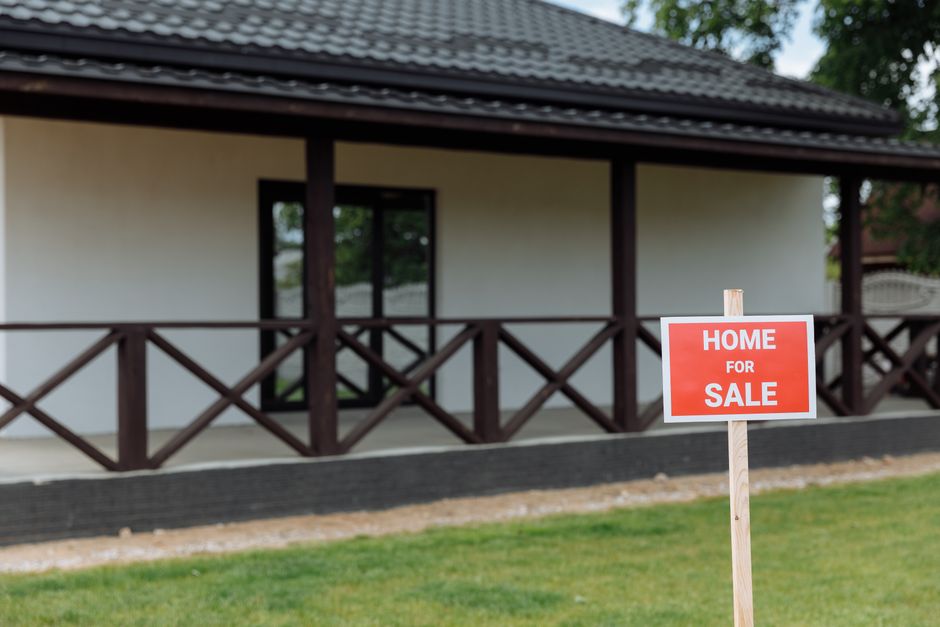
Property vendors in Rio de Janeiro are facing longer waits to secure deals, with the average number of days on market in the city's most sought-after postcodes rising from 58 days in early 2024 to 76 days last month. This uptick, confirmed in fresh data from Secovi Rio, is forcing sellers to adjust expectations and offer steeper discounts—especially in the luxury and mid-tier segments.
The lengthening sales process comes as concerns about affordability and macroeconomic jitters—from inflation to the aftershocks of June’s Venezuelan earthquake—continue to ripple through Rio’s housing market. The result: more power for buyers in price negotiations, spurring a visible uptick in the size and frequency of vendor discounts, particularly in traditional high-demand neighbourhoods and new apartment developments.
In Leblon, where new condominium towers along Rua General Venâncio Flores once commanded frantic bidding wars, units that took less than a month to sell last year are now sitting for two or three months on average. Jose Dias of Imobiliária Brasil Brokers, one of the largest agencies servicing the South Zone, says vendors are slashing initial asking prices by 9-14% as buyers turn cautious. "Some three-bedroom apartments priced north of R$3 million now spark interest only after repeated drops," he explains. In Barra da Tijuca, the wave of recent completions—particularly around Avenida Lúcio Costa and the Peninsula district—has seen the median discount jump to 11%, up from 7% in mid-2025, according to local listings aggregator DataZap.
Commercial property is no exception. Retail space near the revitalized Porto Maravilha district, which drew global attention during the 2016 Olympics, is seeing markdowns averaging R$23,000 per month on longer leases. Even established hot spots like Ipanema's Rua Visconde de Pirajá aren't immune, with some vendors offering to cover condominium fees for a year to entice hesitant buyers.
This shifting momentum is borne out in numbers. DataZap’s June market report logged an average time to sale citywide of 76 days, with the widest gaps in Copacabana (81 days) and Jardim Botânico (86 days). Across the Zona Oeste, particularly in newer developments near Rio Design Barra and Parque Olímpico, the average vendor concession grew to R$137,000 per sale in Q2—nearly double the R$71,000 average seen in Q2 2024. Secovi’s data also points to a rise in properties returning to market after failed negotiations, a trend not seen since the first post-pandemic slowdown in 2021.
For prospective buyers, the coming months may offer a unique window of opportunity—especially as high borrowing costs keep up the pressure on motivated vendors. Agencies like Abadi are recommending would-be sellers set conservative asking prices and brace for extended listing periods: properties appropriately priced from the outset still tend to close within 45 days, while overambitious sellers risk languishing well into the summer. As the market absorbs a surplus of new stock and macroeconomic uncertainty continues, most analysts expect vendor discounting to remain elevated until at least the end of 2026.

Property
Property

Property

Property
About this article
Published by The Daily Rio de Janeiro
Spread the word
Daily brief
Free, in your inbox before 7am. Weekdays.
The Daily Network — local news across Australia