Property
Is Renting Actually Cheaper Than Buying in Rio de Janeiro Right Now?
Soaring lending rates and surging prices put Rio’s would-be homeowners on the back foot. We crunch the numbers in Leblon and Tijuca.
3 min read
Property
Soaring lending rates and surging prices put Rio’s would-be homeowners on the back foot. We crunch the numbers in Leblon and Tijuca.
3 min read
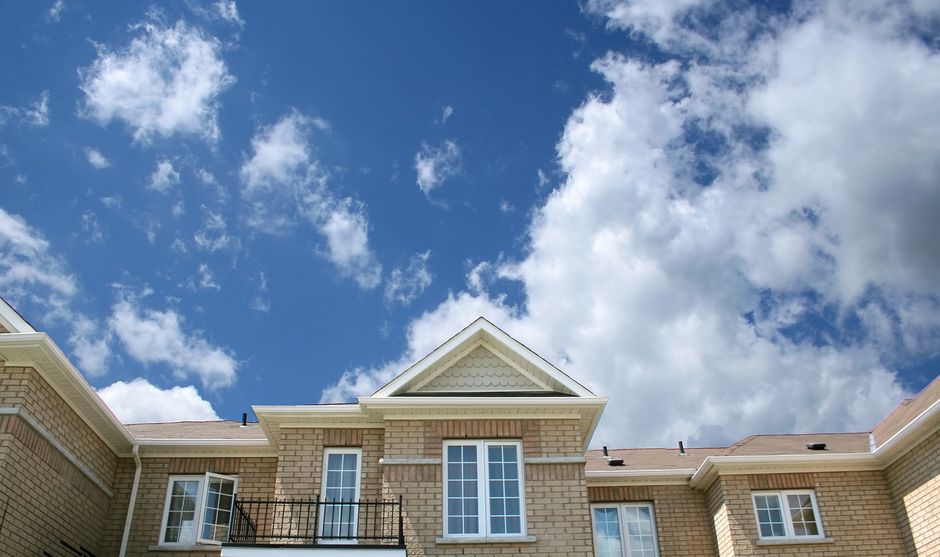
For Cariocas hunting for a home in July 2026, renting remains stubbornly cheaper than buying in many of Rio de Janeiro’s central and sought-after neighborhoods, a new Daily Rio de Janeiro analysis shows. Higher mortgage rates, inflated property values and the sharp uptick in condominium fees mean the scales have tipped once again in favor of renters — at least for now.
The issue is front and center for thousands in the city, as Brazil’s central bank has kept its benchmark Selic rate pinned above 10% to contain post-pandemic inflation. That, combined with the squeeze on supply, has frozen dreams of homeownership for scores of middle-class families. For those eyeing the famed seafront of Ipanema or family stretches in Tijuca, the question is not only what you get for your money — but how much that money will cost to borrow.
Take Leblon, the perennial jewel of Zona Sul: a 70-square-meter apartment along Rua Dias Ferreira, known for its cafés and high-rise security buildings, now lists for around R$2 million. Twenty minutes away in Tijuca, a more modest unit off Rua Conde de Bonfim (also 70m²) typically asks about R$650,000. According to Lopes Rio Imóveis, monthly rent for these same addresses runs R$7,000 in Leblon and R$2,200 in Tijuca — figures corroborated by the FipeZap property index’s June report.
So how does the math add up? If you buy the Leblon flat with 20% down and finance the remaining R$1.6 million over 20 years at 11% annual interest — the current standard for Caixa Econômica Federal’s urban mortgages — payments come close to R$17,000 per month, even before condo fees and property taxes (IPTU) that can top R$2,500/month in Zona Sul high-rises. In Tijuca, a similar calculation yields a monthly mortgage bill of around R$5,400, versus R$2,200 in rent and a more modest R$1,100/month in condo fees.
Where do salaries line up? IBGE shows median monthly household income in Rio at R$5,674 as of April. Even dual-income professionals are being squeezed. Some buyers are making larger down payments, but for most, the math is tough.
That disparity between renting and buying persists across most of Zona Sul, Flamengo and Botafogo, and is echoed in FipeZap’s citywide figures: the average price-to-rent ratio in Rio is now above 23x — meaning it would take over 23 years of rent to equal a property’s market value. Historically, Brazilian analysts flag anything above 20x as favoring tenants.
The city council’s Programa Minha Casa Carioca, targeting increased affordable homeownership by 2027, may shift dynamics for low-income buyers, but demand for mid-market and luxury units continues to tilt toward renting for cost-conscious residents. Unless the Selic rate dips or prices cool, experts at the Sindicato da Habitação (Secovi Rio) predict more families will continue to renew leases and delay purchases.
For those weighing their options now, the takeaways are clear: run the numbers specific to your street, ask your broker about current borrowing costs, and don’t be caught off guard by those hefty common charges. Until bank rates fall, Rio remains a renter’s city.
Property
Property
Property
Property
About this article
Published by The Daily Rio de Janeiro
Spread the word
Daily brief
Free, in your inbox before 7am. Weekdays.
The Daily Network — local news across Australia