Property
Rio Property Prices: Cooling Down After the 2021 Boom
Prices in Rio’s key neighbourhoods have tapered from their pandemic-driven highs, but signs point to a more stable and discerning buying market.
3 min read
Property
Prices in Rio’s key neighbourhoods have tapered from their pandemic-driven highs, but signs point to a more stable and discerning buying market.
3 min read
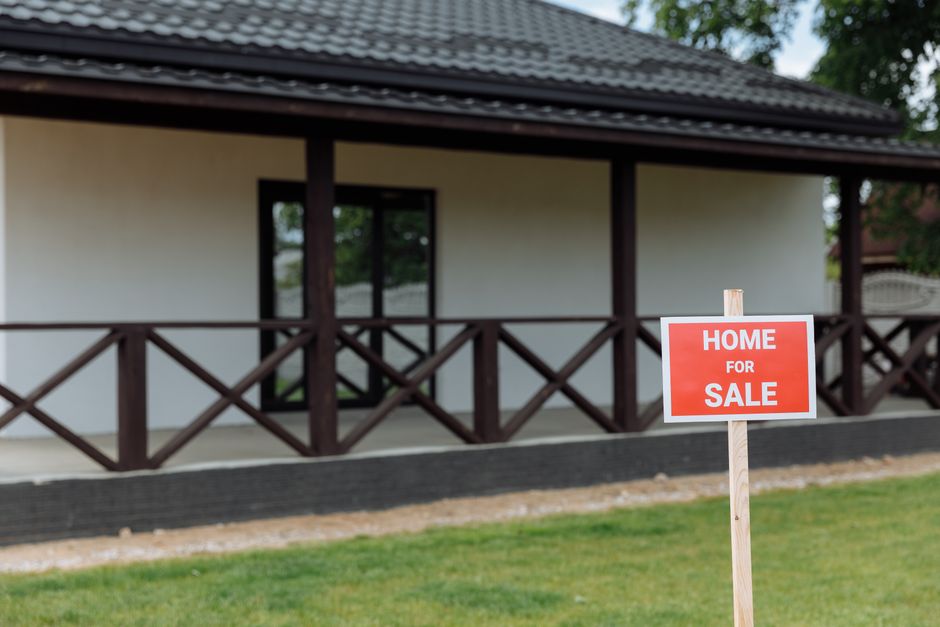
The Rio de Janeiro real estate market has left behind the feverish energy of the 2021 boom, with new figures showing apartment prices across the city have flattened or, in some cases, dipped below their pandemic peaks. A FipeZap survey released yesterday found that the average advertised price per square meter in Zona Sul in June 2026 stood at R$13,700, slightly below the August 2021 high of R$14,200—and a clear sign the days of double-digit annual price jumps have passed.
This cooling of the market matters for prospective buyers and investors who remember the lockdown-era frenzy: in 2021, low interest rates, a flood of affluent domestic buyers, and a resurgent dollar sent buyers scrambling for apartments with balconies in Copacabana and views in Leblon. Today, the picture looks more measured—banks have reined in cheap credit amid global rate hikes, and tighter lending means fewer cash-rich buyers are bidding up prime real estate. Sellers are being forced to negotiate, and the city is not seeing the same level of frantic out-of-town demand as foreign buyers focus more cautiously on local uncertainties, climate and economic risks.
Leblon—Brazil’s most expensive postcode—has long been the bellwether for high-end apartment trends. In July 2021, one-bedroom flats along Avenida Ataulfo de Paiva were changing hands for over R$35,000 per square meter. This winter, property agents say closing prices are closer to R$33,500—a dip that’s mirrored across other coveted stretches of the South Zone. Meanwhile, Barra da Tijuca is seeing a different dynamic: the average value for new-build condos near Avenida das Américas rose 3% over the past 12 months, held up by continued demand from professionals commuting to the city’s technology parks and the robust new developments such as Cidade Jardim’s latest phase by Opportunity Real Estate.
Centro, on the other hand, remains a tale of two cities. Vacancy remains high in converted lofts near Praça Mauá, despite renewed tax incentives from the city’s Reviver Centro program. Local property firm Sergio Castro Imóveis reported just 18 closings in the entire Centro district in May, compared with 44 in the same month of 2021.
According to July’s FipeZap data, the overall Rio residential apartment price index stands at R$10,620/m², down 3.2% from the 2021 peak but still 21% higher than its pre-pandemic baseline. The biggest drops have been in upmarket Botafogo and Ipanema, which saw average asking prices fall 4% and 3.7% respectively so far in 2026. Rental prices, meanwhile, are up nearly 13% year-on-year, driven in part by a resurgence in post-pandemic tourism and the growth of short-term rental platforms such as QuintoAndar and Airbnb.
“Anyone expecting a return to pandemic boom conditions is in for a surprise,” said a local agent, noting that cash buyers and overseas investors are taking a more disciplined approach. Mortgage applications through Caixa Econômica Federal are down 28% compared to the second quarter of 2021, according to the bank's latest report.
Agents expect a steady, if unspectacular, second half for Rio real estate in 2026. With the Brazilian Central Bank signaling that interest rates will remain at 9.25% through year-end, would-be sellers are advised to stay realistic with their pricing—especially in saturated areas of Copacabana, Flamengo, and the newer towers east of Barra. For buyers, there are signs of fresh negotiating room not seen since 2020, especially off-beach and in compact units. As cooling global demand and local economic caution define the post-boom era, Rio’s market looks set for smaller, steadier steps, not the breakneck leaps of five years ago.

Property
Property

Property

Property
About this article
Published by The Daily Rio de Janeiro
Spread the word
Daily brief
Free, in your inbox before 7am. Weekdays.
The Daily Network — local news across Australia