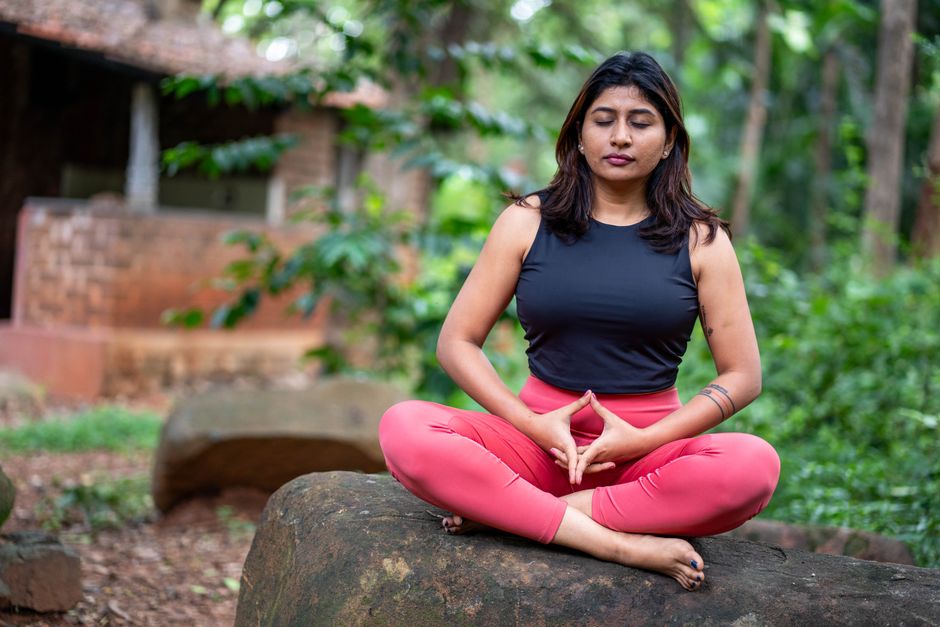
Rio de Janeiro public schools enrolled more than 640,000 students in 2025, and a small but expanding cluster of them now begin the morning not with a bell, but with three minutes of guided breathing. Mindfulness education — long dismissed in Brazilian classrooms as a luxury imported from Silicon Valley wellness culture — has quietly taken root across several municípios, pushed along by a city government pilot and a handful of determined NGOs working the gaps.
The timing is not accidental. Brazilian educators have been wrestling with a post-pandemic surge in adolescent anxiety. A 2024 survey by the Fiocruz institute in Manguinhos found that 38 percent of Rio schoolchildren between the ages of ten and fifteen reported symptoms consistent with chronic stress — difficulty sleeping, persistent irritability, trouble concentrating. Teachers and school psychologists began asking publicly what structural change, beyond extra tutoring and discipline measures, could actually move those numbers.
Programs Already Running in the Classroom
The most established effort is the Mente Presente program, coordinated by the Instituto Ayrton Senna in partnership with the Secretaria Municipal de Educação. Since March 2024, Mente Presente has been running in 47 municipal schools across Zona Norte, including units in Méier, Ramos, and Inhaúma. The curriculum runs eight weeks per school year: weekly 30-minute sessions led by trained facilitators, focused on breath awareness, body scans, and age-appropriate emotion-mapping exercises. Participating schools report a notable drop in disciplinary referrals during the pilot period, though the secretaria has not yet published full outcome data.
In the South Zone, a different approach has taken hold. The NGO Espaço Semente, headquartered on Rua das Laranjeiras in Laranjeiras, has been placing certified mindfulness instructors inside private and semi-public schools in Botafogo and Humaitá since 2022. Their model charges the school a monthly fee — around R$1.800 per turma — rather than the students directly, keeping the practice accessible within the school day rather than an add-on that only wealthier families can afford. Colégio Estadual José Leite Lopes in Botafogo was among the first public-adjacent institutions to adopt the model.
Further up the hillside, the community school Escola Conviver in Santa Teresa has integrated a brief mindfulness segment into its morning assembly since 2023, working with volunteers from the Centro de Meditação Kadampa on Rua Almirante Alexandrino. The practice runs five days a week, four minutes per session — short enough to fit between the national anthem and the first class, long enough that staff say they notice a difference in how students settle into lessons.
What the Evidence Says — and What's Still Missing
Global research gives cause for cautious optimism. A 2023 meta-analysis published in the journal Mindfulness reviewed 61 school-based programs across 14 countries and found statistically significant reductions in self-reported anxiety among students aged 9 to 17, with the strongest effects appearing in programs lasting at least six weeks. That matters for Rio's designers: the four-minute daily model and the eight-week weekly model represent two different bets on how to make the practice stick.
Critics raise fair questions. School psychologists affiliated with the Conselho Regional de Psicologia do Rio de Janeiro have argued that mindfulness without proper clinical backup can give families a false sense that mental health needs are being addressed, when many children require more direct psychological or psychiatric support. The consensus among practitioners is that classroom mindfulness works best as prevention, not treatment — a distinction schools need to communicate clearly to parents.
Families wanting to find what is available near them can contact the Secretaria Municipal de Educação directly at its offices on Avenida Maracanã, or reach Espaço Semente through its Laranjeiras address for private-school enquiries. The Mente Presente program is set to expand to 30 more schools in Zona Oeste before December 2026, according to a secretaria announcement in June. Anyone pursuing the practice outside school hours will find drop-in classes at multiple studios in Ipanema and Lapa from as little as R$30 per session. As always, parents concerned about a child's mental health should consult a qualified professional — a pediatric psychologist or the family's médico de família — before relying on any school program alone.