Wellness
Journaling as a Mindfulness Tool: How to Start
Pen, paper, and fifteen minutes a day may be the most underrated wellness practice in Rio — here's what the evidence says and where to begin.
4 min read
Wellness
Pen, paper, and fifteen minutes a day may be the most underrated wellness practice in Rio — here's what the evidence says and where to begin.
4 min read
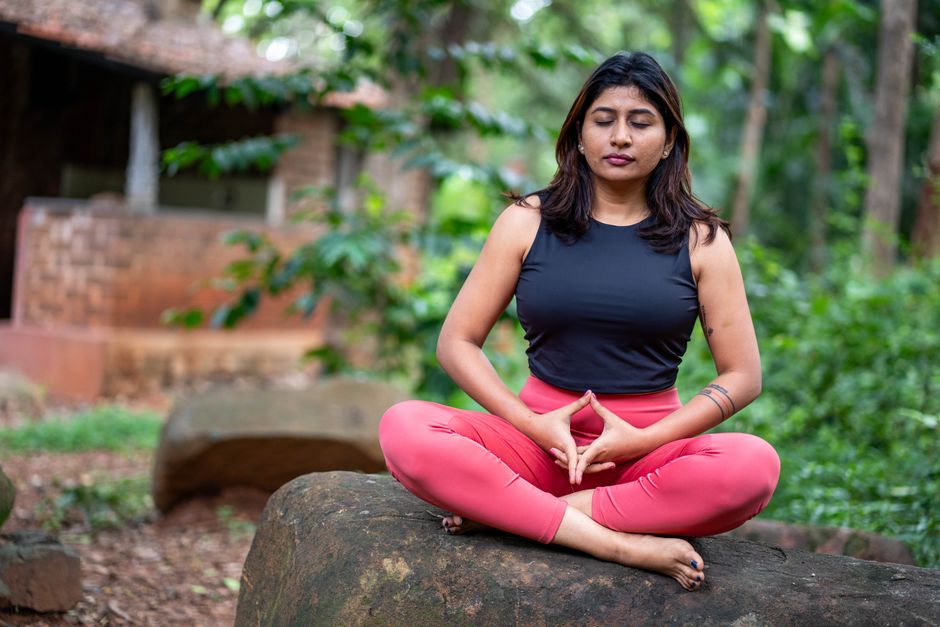
More cariocas are putting down their phones and picking up notebooks. Across Botafogo, Leblon, and the hillside studios of Santa Teresa, meditation teachers and psychologists are reporting a surge in clients asking not just about seated breath-work, but about journaling — the practice of writing reflectively as a daily mental health ritual. The shift is quiet but measurable, and practitioners say the timing makes sense.
Brazil's hormone-health conversation has exploded in 2026, with thousands of Brazilians newly prescribed testosterone, melatonin, and HRT navigating complex mood fluctuations they were not warned about. Separately, researchers studying urban anxiety are noting that cities of more than six million people — Rio sits just above that threshold according to IBGE's 2025 municipal estimates — produce chronic low-grade stress that conventional gym culture alone cannot address. Journaling, long considered a secondary tool, is being repositioned as a frontline mindfulness practice. The evidence behind it is harder to dismiss than its humble image suggests.
A 2023 review published in the journal JMIR Mental Health tracked 70 adults over twelve weeks and found that structured expressive writing reduced generalised anxiety symptoms by 28 percent in participants who wrote for fifteen minutes at least four days per week. A separate University of Rochester study from the same year linked consistent reflective journaling to measurably lower cortisol levels in urban workers. Neither study required participants to write beautifully or at length — only consistently.
The practice costs almost nothing. A decent notebook at Livraria Prefácio on Rua General Goes Monteiro in Botafogo runs between R$35 and R$60. The Papelaria Expressão chain, with branches across the Zona Sul, stocks dedicated mindfulness journals — pre-formatted with daily prompts — for around R$79. Compare that with a single session of clinical psychology in the Lagoa neighbourhood, which averages R$220 to R$380, and the appeal of a daily supplement practice becomes obvious. Practitioners are clear that journaling does not replace therapy, but the data supports it as a meaningful bridge.
Rio's wellness infrastructure is increasingly formalising the practice. The Centro de Atenção Psicossocial da Tijuca — a public mental health facility serving the Tijuca and Alto da Boa Vista districts — incorporated group journaling workshops into its community programming in March 2026. The Instituto Mente Aberta, based in Flamengo, has run eight-week journaling-for-mindfulness courses since 2024, drawing participants from across the city. Both programmes report consistent waiting lists, suggesting demand well outpaces current supply.
The most common mistake beginners make is treating a journal like a diary — a chronological record of events. Mindfulness journaling is different in structure and intent. The goal is not documentation. It is attention.
Start with three specific prompts, written on consecutive mornings before checking a phone. First: What is one physical sensation I notice right now? Second: What thought kept returning to me yesterday? Third: What am I resisting today? These are not therapeutic exercises requiring professional supervision — they are attention-training tools. The answers matter less than the act of pausing to look for them.
Timing is everything in Rio's particular rhythm. The stretch between 6:30 and 8:00 a.m. — before the heat settles over the Aterro do Flamengo and before WhatsApp groups begin flooding — is what teachers at Instituto Mente Aberta call the janela dourada, the golden window. Writing at the Largo do Machado in Catete with a coffee, or at a quiet table in the Biblioteca Parque da Rocinha on weekend mornings, provides enough ambient stillness to sustain the practice without requiring silence. Silence, in this city, is a fantasy. Focus is not.
Those wanting structured guidance can join the Instituto Mente Aberta's next eight-week cohort, which opens registration in August 2026 at R$320 for the full programme. The Centro de Atenção Psicossocial da Tijuca offers free group sessions every Tuesday at 9:00 a.m. for residents of the northern zone. For everyone else: buy the notebook, set the alarm fifteen minutes earlier, and write three sentences. The research says that is enough to begin.
Consult a local médico or licensed psychologist before making changes to any mental health treatment plan.
About this article
Published by The Daily Rio de Janeiro
Spread the word
Daily brief
Free, in your inbox before 7am. Weekdays.
The Daily Network — local news across Australia