Wellness
Sleep science says your wind-down routine starts two hours before bed — here's how Rio is listening
From Ipanema yoga studios to Lapa's late-night temptations, cariocas are rethinking the hours between dinner and lights-out.
4 min read
Wellness
From Ipanema yoga studios to Lapa's late-night temptations, cariocas are rethinking the hours between dinner and lights-out.
4 min read
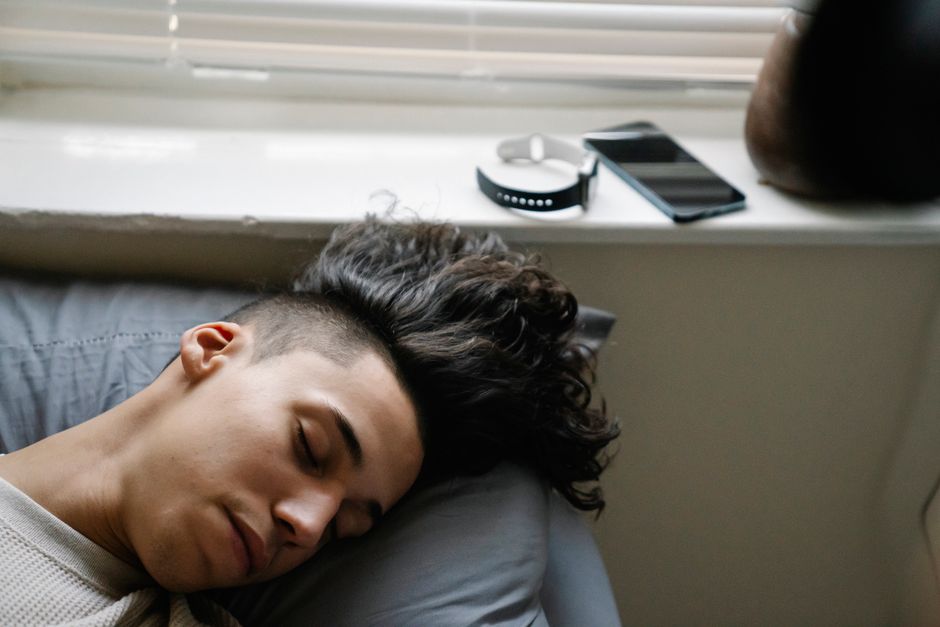
The science on sleep preparation is no longer soft advice. Research published in the journal Sleep Medicine Reviews confirms that a consistent pre-sleep routine of 60 to 120 minutes measurably reduces the time it takes to fall asleep and improves slow-wave sleep duration — the deep, restorative phase the body needs to repair tissue and consolidate memory. For a city that runs as hard and as late as Rio de Janeiro, that window is the hardest one to protect.
The timing matters. July in Rio brings cooler evenings — temperatures in Zona Sul drop to around 18°C overnight — which sleep researchers identify as one of the most underrated natural sleep aids available. Core body temperature needs to fall by roughly 1°C to trigger effective sleep onset, and Rio's winter nights do a good portion of that work for free. The problem is that many residents are actively fighting the advantage, scrolling on phones in bed or nursing a second caipirinha on the terrace until midnight.
Brazil's sleep deficit is well documented. A 2024 survey by the Instituto do Sono, based in São Paulo, found that 65 percent of Brazilians reported difficulty sleeping at least three nights per week, with residents of large coastal cities — including Rio — reporting later average bedtimes than inland populations. The institute linked late-night light exposure and irregular meal timing as the two leading behavioural culprits.
Sleep scientists recommend structuring the final two hours of the day around four principles: light reduction, temperature drop, cognitive deceleration and stimulus removal. In practical terms, that means dimming screens by 9 p.m., avoiding alcohol within three hours of bed, shifting from active socialising to quieter activity, and keeping the bedroom below 20°C where possible.
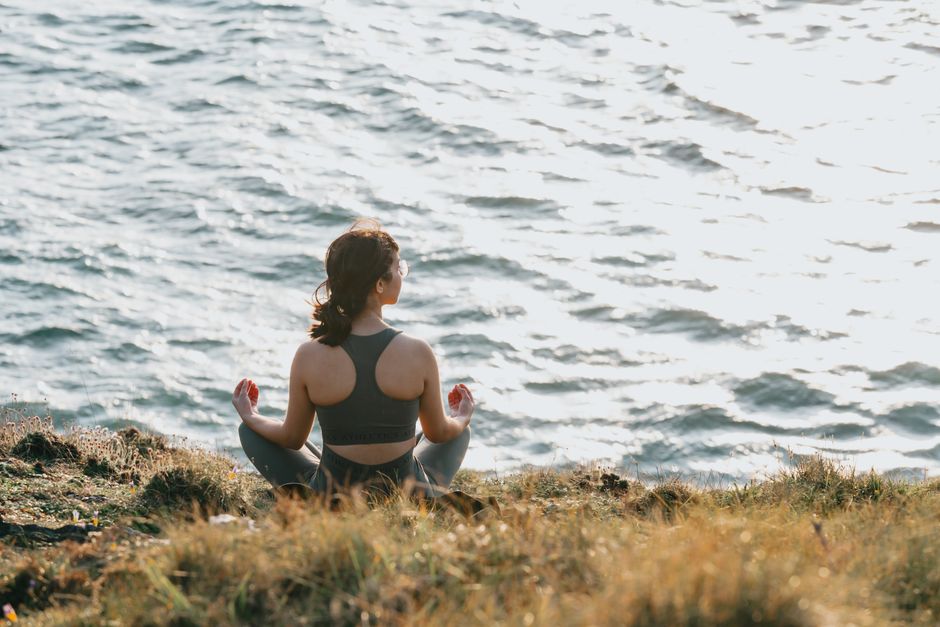
In Rio, a handful of wellness spaces have built programming directly around these principles. The Instituto Brasileiro de Yoga e Saúde, which operates a studio on Rua Visconde de Pirajá in Ipanema, runs a Wednesday evening Yoga Nidra class at 8:30 p.m. specifically marketed as a sleep preparation session. The 75-minute class combines guided body-scan meditation with extended breath holds — a technique shown in a 2023 University of California study to reduce cortisol levels by up to 27 percent when practiced regularly before bed. Monthly membership runs R$320.
In Botafogo, the Centro de Atenção Psicossocial on Rua São João Batista offers a free eight-week cognitive behavioural therapy for insomnia program — CBT-I — which clinicians now regard as more effective than sleep medication for chronic insomnia. CBT-I restructures the associations the brain has formed between wakefulness and the bed, and the results in controlled trials are durable: 80 percent of participants maintain improvement at 12-month follow-up. Referrals come through the SUS public health network.
The city's nightlife geography creates a specific challenge. Residents living near Santa Teresa or the Centro corridor face noise environments that simply do not quiet down before 1 a.m. on weekends. Sleep researchers recommend white noise or pink noise at 65 decibels as a masking tool — apps like Calm and Sleep Cycle, both available in Portuguese, offer this feature at no additional cost beyond a standard subscription of around R$29 per month.
The counterpoint is the city's extraordinary green infrastructure. The Jardim Botânico do Rio de Janeiro, on Rua Jardim Botânico in the neighbourhood of the same name, opens at 8 a.m. but the surrounding streets are walkable well into the early evening. A 30-minute slow walk in natural surroundings — what Japanese researchers term shinrin-yoku, or forest bathing — has been shown to lower heart rate and salivary cortisol within 15 minutes. You do not need to be inside the garden for the effect; the tree canopy along Rua Linhares provides comparable exposure.
The practical takeaway is this: Rio's winter is the city's best-kept sleep secret. Use the cooler nights, dim the lights after 9 p.m., and treat the two hours before bed as genuinely protected time. Those struggling with persistent insomnia should ask their GP about a CBT-I referral through the SUS — it costs nothing and the evidence behind it is stronger than any supplement on the market.
This article was compiled by AI and screened before publishing. See our editorial standards.
About this article
Published by The Daily Rio de Janeiro
Spread the word
Daily brief
Free, in your inbox before 7am. Weekdays.
The Daily Network — local news across Australia