Wellness
Mindfulness in Schools: What Local Programs Are Available in Rio
From Santa Teresa to the Zona Norte, a growing number of carioca schools are bringing meditation into the classroom — here's what parents and students need to know.
4 min read
Wellness
From Santa Teresa to the Zona Norte, a growing number of carioca schools are bringing meditation into the classroom — here's what parents and students need to know.
4 min read
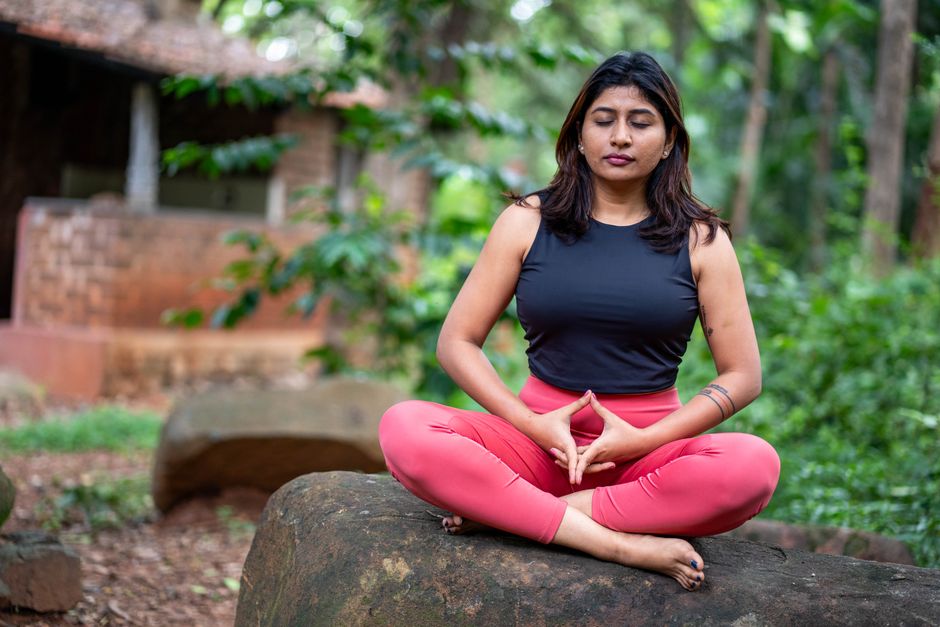
Dozens of Rio de Janeiro public and private schools have formally incorporated mindfulness and meditation sessions into their weekly schedules as of early 2026, according to data compiled by the Secretaria Municipal de Educação do Rio de Janeiro. The shift is modest but accelerating — and for many educators in neighborhoods from Botafogo to Madureira, it represents the most significant change to classroom culture in a decade.
The timing reflects a broader reckoning. Brazil's National Mental Health Survey, published in late 2025 by the Fundação Oswaldo Cruz (Fiocruz), found that 34 percent of adolescents between the ages of 12 and 17 reported persistent anxiety symptoms — a figure that jumped sharply during and after the COVID-19 years and has not meaningfully receded. In a city as kinetic and noisy as Rio, where students in the Zona Norte often commute more than 90 minutes each way and many families are managing significant economic pressure, the search for practical, low-cost mental health tools inside school hours has become urgent.
The most established initiative is Escola da Inteligência, a São Paulo-originated program that expanded its Rio operations in 2023 and now works with more than 40 schools across the metropolitan area. The program trains teachers in socio-emotional learning techniques, including structured breathing exercises and five-minute guided meditations at the start of each class. Several Colégio Estadual units in Méier and Tijuca have piloted the program, with facilitators visiting classrooms twice a month.
A more locally born effort is the Projeto Mente Presente, run by the NGO Instituto Reação — better known for its judo programs in Complexo do Alemão — which began trialing mindfulness workshops in three community schools in the Zona Norte in August 2025. Sessions run for 45 minutes, once a week, and focus on breathing awareness and body-scan techniques adapted for teenagers. Instituto Reação charges zero to participating schools; the program is funded through a partnership with the Instituto TIM and a federal grant under the Programa de Saúde na Escola.
In the Zona Sul, the private Colégio Santo Inácio in Botafogo introduced a twice-weekly meditation elective for students in the eighth and ninth year in March 2026. The elective uses the Mindfulness-Based Stress Reduction framework, developed originally at the University of Massachusetts in 1979, modified here with Portuguese-language audio guides. Tuition at Santo Inácio runs roughly R$4,800 per month, but the school confirmed its mindfulness materials are freely available to educators upon request.
A 2024 meta-analysis published in the journal Frontiers in Psychology reviewed 57 school-based mindfulness programs across Latin America and found statistically significant reductions in self-reported anxiety in 68 percent of participating student groups after eight weeks of consistent practice. The same review flagged that programs requiring fewer than two sessions per week showed diminished results — a detail worth keeping in mind when evaluating how rigorously any given school is actually implementing its curriculum.
Fiocruz researchers based at their Campus Manguinhos facility are currently conducting a longitudinal follow-up study tracking 1,200 students across twelve Rio schools that adopted mindfulness programming between 2023 and 2025. Preliminary results are expected in the first quarter of 2027. Educators and parents interested in the findings can follow updates through Fiocruz's public health portal at fiocruz.br.
For parents trying to find out whether their child's school participates in any of these programs, the most direct route is contacting the school's coordenação pedagógica and asking specifically about socio-emotional health initiatives listed under the Novo Ensino Médio framework. Schools receiving federal funding under that framework are required to document their mental health programming. Community centers in Lapa and Glória also run weekend introductory meditation sessions open to teenagers at no cost — details are posted monthly on the Centro Cultural Carioca's notice boards on Rua do Teatro. A qualified healthcare or psychology professional remains the appropriate first call for any student experiencing serious anxiety or mental health difficulties.
This article was compiled by AI and screened before publishing. See our editorial standards.
About this article
Published by The Daily Rio de Janeiro
Spread the word
Daily brief
Free, in your inbox before 7am. Weekdays.
The Daily Network — local news across Australia