More Cariocas are sitting still — and doing it deliberately. Enrolments in beginner meditation programs across Rio de Janeiro rose roughly 34 percent between January and June 2026, according to figures compiled by the Associação Brasileira de Mindfulness, which tracks participation across certified studios and public health initiatives in the city. The number matters because it marks a break from a pattern: for years, meditation in Rio was seen as something for yoga retreats in Búzios or expats with expensive wellness memberships. That perception is cracking.
The timing reflects a broader shift. Global hormone and sleep research published this year has renewed public interest in non-pharmaceutical tools for managing stress and mood — the kind of systemic anxiety that comes with housing costs, work dissatisfaction and the low-grade digital noise of 2026. Meditation sits at the intersection of all three problems. It costs nothing to begin, requires no equipment, and the evidence base has grown thick enough that the Brazilian Ministry of Health formally incorporated mindfulness-based stress reduction into its national mental health guidelines back in 2023.
Where to start in Rio
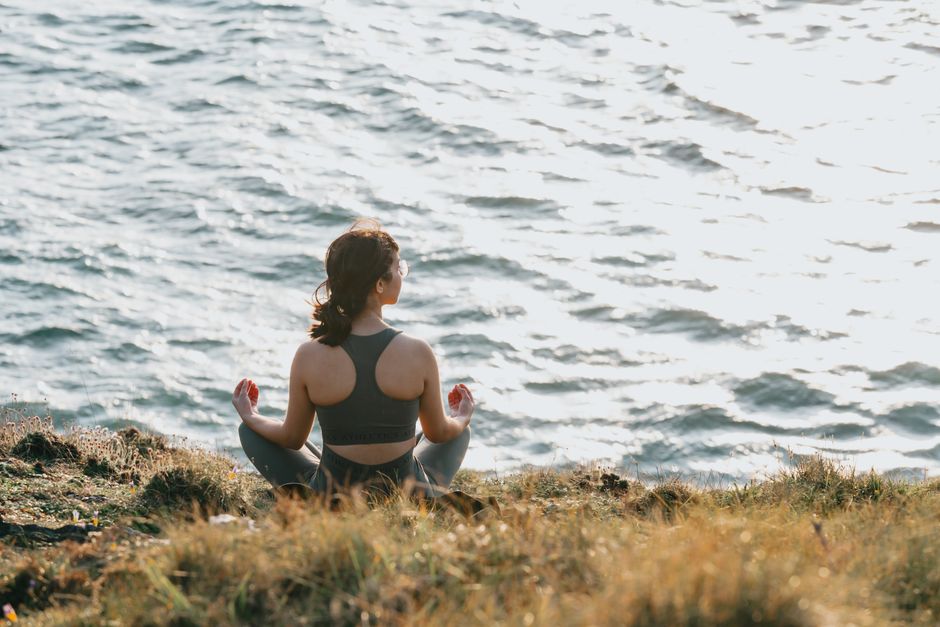
The most obvious entry point for a beginner is free. Every Saturday morning at 7 a.m., the Instituto Viver Bem runs guided group sessions on the grassy stretch of Parque do Flamengo near the Monumento Nacional aos Mortos da Segunda Guerra Mundial. Sessions last 30 minutes and are designed explicitly for people who have never meditated before — instructors open with breathing basics rather than philosophy. The park's ambient noise, jets of wind off the Baía de Guanabara and the occasional football, is treated as part of the practice rather than a distraction. About 60 people showed up on a recent Saturday in June.
For those who want structure and are willing to pay for it, the Centro de Mindfulness do Rio, based on Rua Voluntários da Pátria 190 in Botafogo, runs an eight-week introductory course modelled on the MBSR protocol developed at the University of Massachusetts. The current round costs R$480 for the full programme — roughly R$60 per session — with a sliding-scale option available for low-income participants. Sessions run Tuesday evenings at 7:30 p.m. The next cohort opens 14 July 2026. Across town in Tijuca, the Casa de Cultura e Meditação on Rua Uruguai offers drop-in classes for R$25 each, which lowers the barrier considerably for anyone not ready to commit eight weeks upfront.
The science behind the practice is no longer fringe. A 2024 meta-analysis published in JAMA Internal Medicine, covering 47 randomised trials and more than 3,500 participants, found that mindfulness meditation produced moderate improvements in anxiety, depression and pain compared to control groups. Eight weeks of consistent practice — even sessions as short as 10 minutes daily — produced measurable changes in self-reported stress levels. That is the threshold most Rio instructors now use as a benchmark when talking to beginners.
The practical mechanics of sitting down and doing it
Starting a meditation practice does not require a cushion, an app subscription or a guru. The foundational method is simple: sit comfortably, close your eyes, and focus attention on the physical sensation of breathing. When the mind wanders — and it will, within seconds — notice the wandering without judgment and return to the breath. That cycle of losing and returning attention is not a failure; it is the practice itself.
Beginners in Rio have one environmental advantage worth using deliberately. The city's relationship with outdoor morning life — the calçadão along Leblon, the shaded benches of Jardim Botânico, the quieter end of Lagoa Rodrigo de Freitas near the Clube de Regatas Flamengo — provides dozens of low-distraction settings before 8 a.m. Research consistently shows that meditating at the same time and in the same place accelerates habit formation. Pick one spot, return to it three mornings this week, and set a timer for eight minutes. That is the entire prescription for week one.
Anyone experiencing clinical anxiety or depression should speak with a médico or psychologist before relying on meditation as a primary intervention. The Clínica da Família network across Rio offers mental health referrals through the SUS public health system at no cost. Meditation works best as part of a wider approach — not as a replacement for professional care, but as a genuinely powerful complement to it.