Wellness
Rio's Best Meditation Classes, Groups and Apps Worth Trying Right Now
From Ipanema yoga studios to free Tijuca Forest sit-downs, the city's mindfulness scene has never been more accessible — or more necessary.
4 min read
Updated 2 h ago
Wellness
From Ipanema yoga studios to free Tijuca Forest sit-downs, the city's mindfulness scene has never been more accessible — or more necessary.
4 min read
Updated 2 h ago
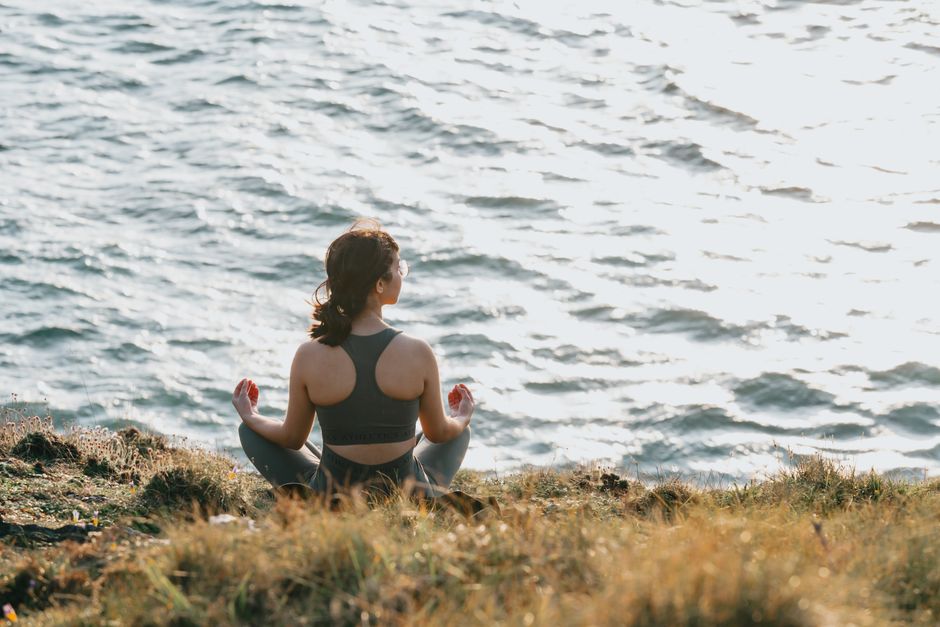
Enrollment in structured meditation programs across Rio de Janeiro jumped roughly 34 percent between 2024 and 2026, according to figures compiled by the Brazilian Federation of Yoga and Meditation (Federação Brasileira de Yoga e Meditação), which tracks studio registrations across all 26 states. In a city where traffic on the Linha Vermelha can stretch nerves thin and the cost of living has pressed harder on residents since 2024, the rush toward stillness is not surprising. It is, however, producing some genuinely good options.
The timing matters for another reason. Global conversations about hormone health, burnout and the mechanics of stress are intensifying in 2026, with researchers increasingly pointing to consistent mindfulness practice as a low-cost intervention for cortisol regulation and sleep quality. Rio's wellness community — historically anchored in outdoor physical culture along the Zona Sul beachfront — has spent the past two years pivoting inward, adding seated practices to its usual lineup of stand-up paddleboarding and beach volleyball.
The Espaço Amma, on Rua Visconde de Pirajá in Ipanema, runs daily guided meditation sessions at 7 a.m. and 6:30 p.m., with a drop-in fee of R$45 per class or a monthly pass at R$280. The studio uses a hybrid model — Vipassana-influenced breath work in the morning, body-scan techniques drawn from Mindfulness-Based Stress Reduction (MBSR) in the evening. Beginners are actively welcomed; the Thursday 6:30 p.m. session is specifically designed for people who have never sat formally before.
In the Barra da Tijuca neighbourhood, Centro Meditação Barra offers an eight-week MBSR course, the internationally standardised program developed at the University of Massachusetts in 1979. The next cohort starts August 4, 2026, and costs R$720 for the full course — roughly R$90 a session. That price includes take-home audio guides and a half-day silent retreat at the Parque Estadual da Pedra Branca in week six.
For the budget-conscious, the Grupo de Meditação Transcendental Flamengo meets every Saturday at 8 a.m. near the Parque do Flamengo bandstand. Entry is free, though a R$10 suggested contribution goes toward maintaining the group's shared cushion library. The group has been running without interruption since 2019 and draws between 25 and 60 participants on any given Saturday, depending on weather and school holidays.
The Tijuca Forest offers something harder to bottle. A volunteer-led initiative called Silêncio na Mata organises monthly dawn sits inside the Floresta da Tijuca — the largest urban forest in the world — at a clearing near the Vista Chinesa overlook. The next session is scheduled for July 19, 2026, at 5:45 a.m. Registration is via their Instagram page and spaces are capped at 30 to preserve the atmosphere.
Not every Rio resident can build a fixed schedule around a studio. Three apps perform well under local conditions. Lojong, a São Paulo-developed platform with full Portuguese-language content, costs R$19.90 a month and has specific programs for commuters — sessions run between four and twelve minutes, designed for use on the Metrô Rio between Central and Ipanema-General Osório. The platform crossed 2 million Brazilian users in March 2026.
Insight Timer remains the dominant free option globally and carries a substantial Portuguese-language library, including several guided series recorded by Rio-based teachers. The paid tier runs R$34.90 a month but the free version is genuinely functional. For those who prefer a secular, science-backed framing, the app Calmamente — launched in Recife in 2023 and now available nationwide — built its curriculum directly around clinical psychology protocols used in Brazil's public health system, the SUS.
The practical advice is simple: pick one entry point and stay with it for 30 days before evaluating. Research published in the journal Mindfulness in January 2026 found that four weeks of daily practice — even sessions as short as ten minutes — produced measurable reductions in self-reported anxiety among urban adults in high-density cities. Rio qualifies. Anyone with persistent symptoms, however, should speak with a psychologist or psychiatrist registered with the Conselho Federal de Medicina before treating mindfulness as a standalone solution.
About this article
Published by The Daily Rio de Janeiro
Spread the word
Daily brief
Free, in your inbox before 7am. Weekdays.
The Daily Network — local news across Australia