wellness
Rio está dormindo mal, e a ciência explica por quê
From Copacabana to the Zona Norte, cariocas are losing sleep at an alarming rate, but researchers and local wellness practitioners say the fix is closer than most people think.
How we reported this
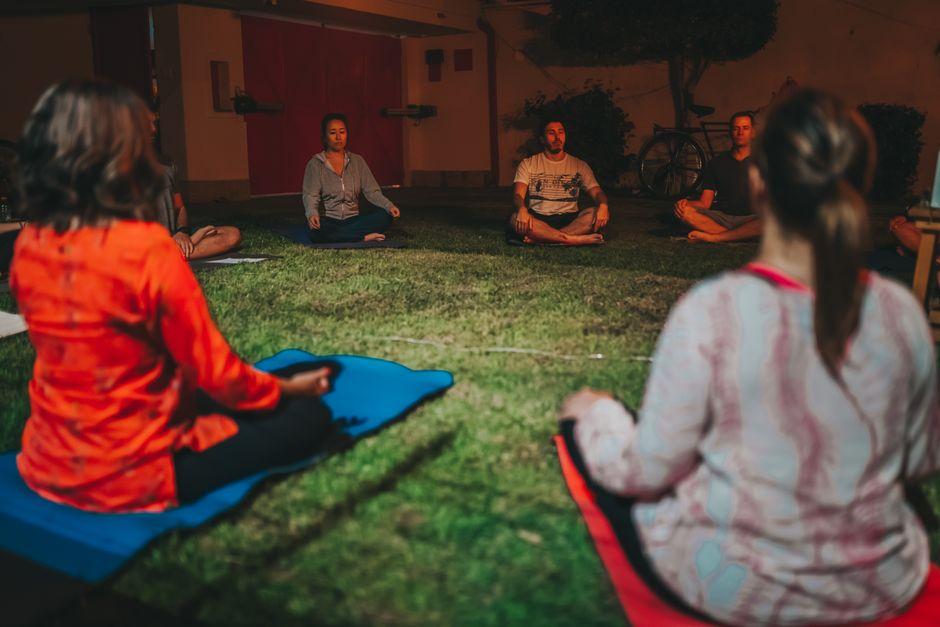
Brazilians sleep an average of 6.4 hours a night, nearly 90 minutes less than the minimum recommended by the World Health Organization. In Rio de Janeiro, where the city's ambient light, noise culture and post-pandemic anxiety compound the national trend, sleep clinicians say that number may be even lower among working adults in the Zona Sul and Centro districts. The problem is getting worse, not better.
The timing matters because July 2026 marks the mid-point of a year that has already seen record heat events in the metropolitan region, persistent economic pressure on household budgets, and a documented surge in screen-time among adults aged 25 to 44, exactly the demographic that clinicians call the most sleep-deprived. Hormonal research published internationally this year has also renewed attention to how cortisol, melatonin and testosterone interact with sleep architecture, giving the conversation a sharper scientific edge than it had even five years ago.
O que está roubando o sono carioca
The culprits are specific, not abstract. Noise on Rua Barata Ribeiro in Copacabana routinely measures above 70 decibels after midnight, according to monitoring data collected by the Secretaria Municipal de Meio Ambiente do Rio de Janeiro. The city's average overnight temperature in June 2026 was 21.3°C, warm enough to suppress the core body-temperature drop that triggers deep sleep, yet not cold enough for most residents in Méier or Tijuca to run air conditioning continuously. High electricity tariffs, which rose 14.2 percent in the CERJ/Enel service area in January 2025, mean many households choose fan noise and warmth over cooling comfort.
Then there is the screen problem. The Instituto Brasileiro de Defesa do Consumidor reported in March 2026 that Brazilians now average 4 hours and 41 minutes of daily smartphone use, with a sharp spike after 10 p.m. Blue-light exposure at that hour suppresses melatonin production by up to 50 percent, disrupting the signal the brain needs to initiate sleep. Delivery app culture, iFood and Rappi orders in Rio peak between 10 p.m. and midnight, keeps both customers and gig workers neurologically alert precisely when they should be winding down.
O que os especialistas locais estão recomendando
The Instituto do Sono, which operates a clinic in Botafogo, has seen a 31 percent increase in first-time consultations since January 2026, according to figures shared with this newspaper. Practitioners there are pushing a protocol they call higiene do sono estruturada, a set of behavioural adjustments rather than medication. The core recommendations: a fixed wake time seven days a week, no screens for 45 minutes before bed, and a room temperature kept below 20°C where possible.
The Clínica Saúde Plena in Barra da Tijuca has added group sleep-coaching sessions to its wellness calendar this month, priced at R$180 per session, a fraction of the R$700 to R$1,200 that a full polysomnography exam costs in Rio's private health system. The sessions focus on cognitive behavioural therapy for insomnia, or CBT-I, a method that international clinical guidelines now rank above sleeping pills as a first-line treatment for chronic insomnia.
For those not ready to book a clinic, the basics remain stubbornly effective. Keep the bedroom dark, blackout curtains cost between R$89 and R$250 at Leroy Merlin's unit on Avenida das Américas. Avoid caffeine after 2 p.m. Walk the Aterro do Flamengo in morning light before 9 a.m.; even 20 minutes of early sun exposure resets the circadian clock in ways that no supplement yet replicates. And treat the sleep window, 10 p.m. to 6 a.m. is the target for most adults, as a non-negotiable appointment, not a suggestion. The research on this is not new. The discipline required to act on it is the harder part.
Anyone experiencing persistent insomnia, daytime fatigue or suspected sleep apnoea should consult a médico do sono or clínico geral registered with the Conselho Federal de Medicina before making changes to any medication regimen.