Wellness
The Sleep Environment Checklist for Better Rest
From Copacabana apartment noise to Zona Sul humidity, Rio's sleepers face specific obstacles — here's what sleep specialists say you can fix tonight.
4 min read
Wellness
From Copacabana apartment noise to Zona Sul humidity, Rio's sleepers face specific obstacles — here's what sleep specialists say you can fix tonight.
4 min read
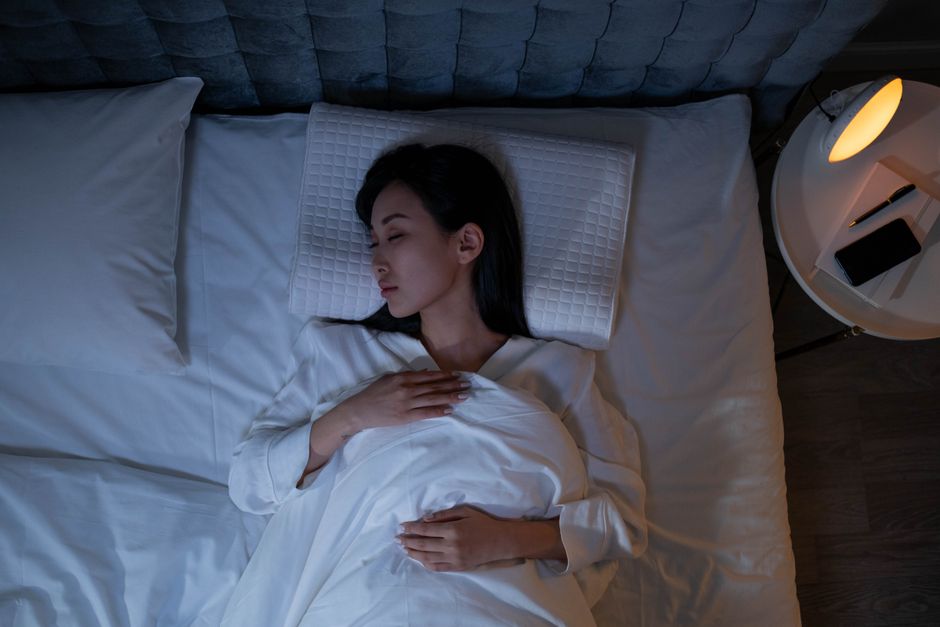
Brazilians are sleeping worse than they did a decade ago. A 2024 study published by the Associação Brasileira do Sono found that 65 percent of adults in major metropolitan areas report at least three nights of poor sleep per week — and in Rio de Janeiro, where street noise, heat, and a culture built around late nights collide, that number climbs closer to 72 percent. The bedroom environment, researchers say, is where most people can make the fastest, cheapest gains.
The timing matters. July in Rio brings the city's coolest and driest months, with overnight temperatures in Leblon and Flamengo dropping to around 17°C. That creates a narrow seasonal window when residents can actually address sleep conditions without battling the 80-plus-percent humidity that returns by October. Endocrinologists and sleep specialists have spent the first half of 2026 pushing hard on public education around hormonal rhythms, circadian biology, and the way environmental cues either support or sabotage melatonin production. The message is now reaching wellness clinics in Botafogo and Barra da Tijuca alike: the room itself is the first prescription.
Light is the lead item. Melatonin, the hormone that cues drowsiness, is suppressed by blue-spectrum light from phones and LED strips. The Instituto do Sono, which runs a clinic on Rua Visconde de Pirajá in Ipanema, recommends dimming overhead lighting by 9 p.m. and switching screens to warm-tone mode at least 90 minutes before bed. Blackout curtains are particularly important for residents of Copacabana and Lapa, where streetlights and bar signage pour through standard blinds until 3 a.m. A decent blackout curtain set at the Lojas Americanas on Avenida Nossa Senhora de Copacabana runs between R$85 and R$160 — a one-time cost that sleep medicine practitioners consistently rank as one of the highest-return bedroom investments.
Temperature is second. The global consensus from sleep research centres, including data published by Harvard's Division of Sleep Medicine in 2023, puts the ideal sleep temperature between 15°C and 19°C. Rio residents who can't cool a room to that range by July should at minimum run a fan pointed away from the bed — moving air lowers perceived temperature by 2 to 3 degrees without the noise disruption of a full air-conditioning unit set to maximum. The Programa de Saúde Ambiental at the Prefeitura Municipal do Rio de Janeiro has included sleep environment guidance in its public health materials since 2025, available at any of the city's Clínicas da Família, including the busy unit on Rua Mariz e Barros in Tijuca.
Sound is the third variable and arguably Rio's toughest. The city's Centro de Informações de Saúde recorded average nighttime noise levels of 68 decibels along Avenida Atlântica in 2025 — well above the World Health Organization's recommended 40-decibel outdoor limit for residential areas during sleep hours. Earplugs rated at 33 NRR bring most street noise into tolerable range and cost as little as R$12 at any Drogasil branch. White noise machines, now stocked at several Tok&Stok locations including the unit in BarraShopping, run between R$220 and R$480 and have surged in sales since mid-2025 according to the retailer's Zona Sul regional managers.
Bedding matters more than most people acknowledge. Synthetic fibres trap heat; a lightweight cotton percale set, widely available at Renner's store on Rua do Passeio in Centro, allows better airflow for the subtropical climate. Pillow height affects airway alignment and, by extension, oxygen quality during sleep — a detail that the physiotherapy team at the Clínica Movimento in Botafogo works into its postural consultations.
Scent and tidiness round out the list. Lavender aromatherapy has modest but replicated evidence behind it from a 2022 Frontiers in Neuroscience meta-analysis. Clutter in the bedroom raises cognitive arousal — essentially keeping the brain in problem-solving mode when it should be winding down. Neither fix costs much. Both are doable before the weekend.
Anyone experiencing chronic insomnia, sleep apnea symptoms, or significant hormonal disruptions affecting rest should consult a local médico do sono rather than relying solely on environmental adjustments. Rio's public sleep medicine referral pathway runs through the Complexo Hospitalar de Niterói and the Hospital Universitário Clementino Fraga Filho in Ilha do Fundão. The environment checklist is a starting point, not a finish line.
About this article
Published by The Daily Rio de Janeiro
Spread the word
Daily brief
Free, in your inbox before 7am. Weekdays.
The Daily Network — local news across Australia