Wellness
Walking Meditation: How to Turn Your Daily Walk Into Mindfulness
Rio's streets, trails and shoreline are already a gym — now practitioners say they can be a meditation hall too.
4 min read
Wellness
Rio's streets, trails and shoreline are already a gym — now practitioners say they can be a meditation hall too.
4 min read
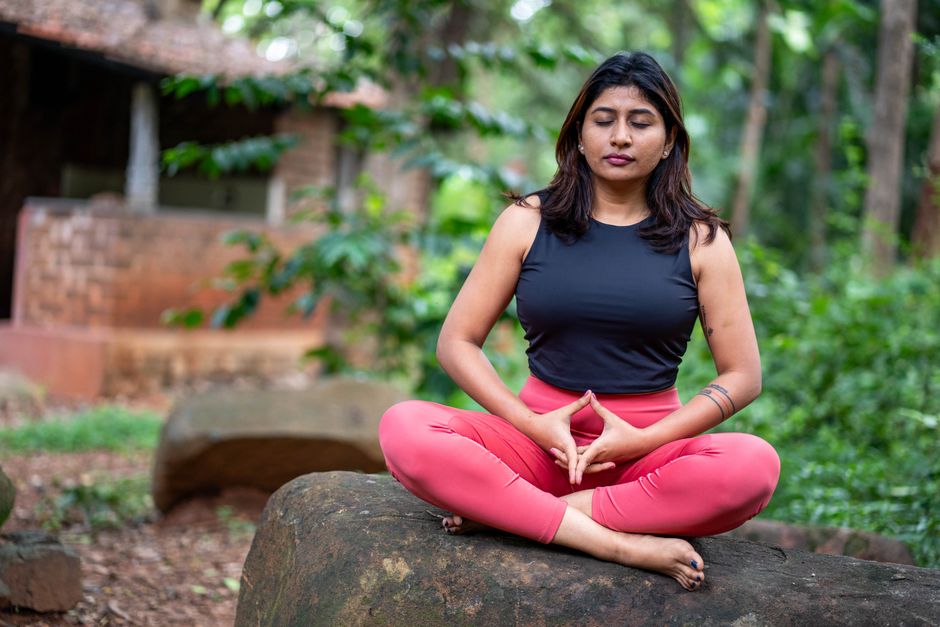
Tens of thousands of cariocas walk the Lagoa Rodrigo de Freitas circuit every morning. Most are plugged into playlists, scrolling, or mentally drafting to-do lists. A growing cohort is doing something different: walking without headphones, without a destination urgency, and with deliberate attention fixed on the soles of their feet. It's called walking meditation, and wellness instructors across the Zona Sul say demand for guided sessions has jumped sharply since the beginning of 2026.
The timing makes sense. Urban stress indicators in Rio remain stubbornly high — traffic congestion, housing costs, and the relentless pace of informal and formal work schedules all pile onto a population already managing economic pressure. Seated meditation, despite its documented benefits, demands a quiet room and a cleared schedule that many Cariocas simply don't have. Walking meditation asks for neither. It uses what people are already doing — walking to the bus stop on Rua Voluntários da Pátria, crossing Praça General Osório in Ipanema, or looping the Aterro do Flamengo — and reframes the act as practice.
The mechanics are deceptively simple. You slow your pace by roughly 30 percent. You fix attention on the physical sensation of each footfall — heel, arch, toe — rather than on the mental chatter most people treat as mandatory company. Breath becomes an anchor. When attention drifts to a WhatsApp notification or a half-finished argument, you return it to the foot meeting the ground. That return, instructors emphasise, is the practice. Not perfect focus. The noticing and returning.
Centro de Yoga e Meditação Dharma, based in Botafogo, introduced a weekly guided walking meditation session along the Aterro do Flamengo in March 2026. The session runs at 7 a.m. on Saturdays, costs R$35 per person, and typically fills its 15-person limit within 48 hours of opening bookings each week, according to the centre's published schedule. Across the city in Barra da Tijuca, the wellness collective Viver Consciente has been running a similar format along the Recreio shoreline path since January, blending brief standing pauses with slow ambulatory stretches that make the practice accessible to participants in their sixties and seventies.
Research published by the journal Mindfulness in 2024 found that eight weeks of regular walking meditation reduced self-reported anxiety scores by 27 percent among urban adults, a figure that practitioners here cite when making the case to skeptical newcomers. The World Health Organization's 2025 global mental health report separately identified accessible, low-cost mindfulness modalities as a priority for cities with high population density and limited mental health infrastructure — a description Rio fits without much argument.
You don't need a guide or a group. The Parque Lage trail in the Tijuca Forest, particularly the first flat kilometre from the public entrance on Rua Jardim Botânico, offers a canopied path quiet enough to hear your own breathing. The southern loop of Lagoa Rodrigo de Freitas, before 7 a.m. on weekdays, is manageable for beginners who want the practice but not the Saturday crowd. Praia do Flamengo's paved beachfront walkway works for those who find the sound of traffic grounding rather than distracting.
Start with ten minutes. Set no distance target. Leave the headphones at home, or at least one earbud out. Practitioners suggest labelling each step mentally — left, right, left, right — for the first few sessions, then dropping the labels once the rhythm becomes automatic. If ten minutes feels like ten hours, that sensation is data, not failure. It usually eases by the third session.
Rio's wellness scene has always leaned physical — beach volleyball, surf, functional training on the calçadão. The shift toward interior practice, rooted in movement that's already part of daily life, suggests something is changing in what Cariocas expect from their bodies and their mornings. Anyone curious about whether walking meditation is appropriate for their specific health situation should speak with a médico or licensed mental health professional before making it a regular commitment.
About this article
Published by The Daily Rio de Janeiro
Spread the word
Daily brief
Free, in your inbox before 7am. Weekdays.
The Daily Network — local news across Australia