Wellness
The Science Behind Mindfulness: What It Actually Does to the Brain
Rio residents are flocking to meditation and mindfulness classes, but neuroscientists say the real changes happen deep inside the brain.
3 min read
Updated 1 h ago
Wellness
Rio residents are flocking to meditation and mindfulness classes, but neuroscientists say the real changes happen deep inside the brain.
3 min read
Updated 1 h ago
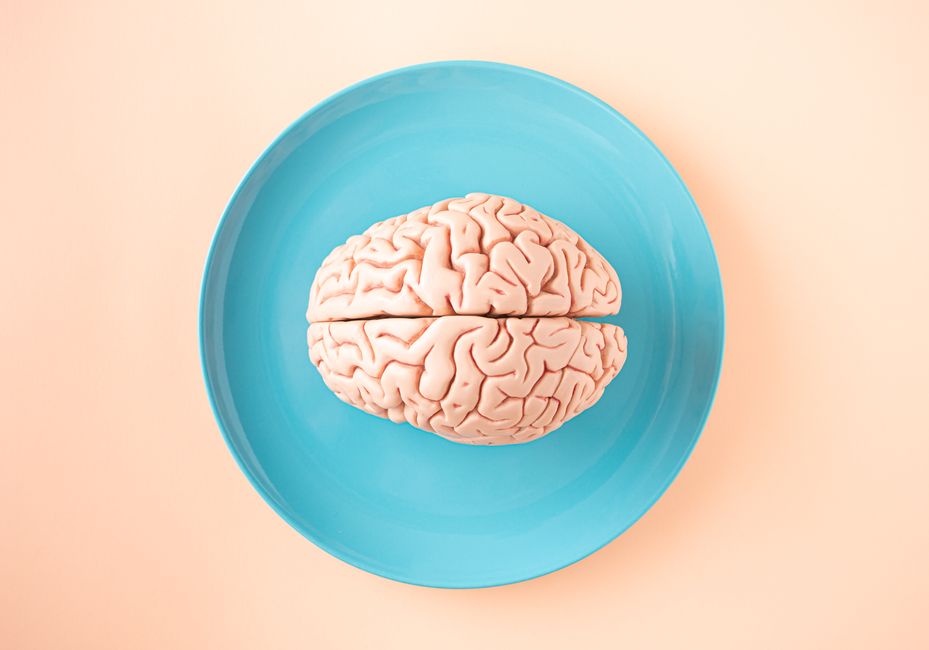
Midway through a bustling weekday morning, a dozen Cariocas sat cross-legged in silence at Parque Lage, taking part in a guided mindfulness session. Their aim: to retrain their brains for greater calm and clarity. More and more research supports their efforts. Recent brain scans show meditation can reshape neural pathways responsible for stress, attention and emotional regulation.
Mindfulness has exploded in popularity throughout Rio de Janeiro. This is no passing fad. With chronic stress linked to diabetes and heart disease—both on the rise locally—residents are seeking accessible, preventative tools. And as temperatures push records in winter, finding ways to handle anxiety and mood swings has become a practical necessity, not a luxury.
Spaces dedicated to mindfulness now dot the city. At Espaço Nirvana in Gávea, weekly drop-in meditations draw young professionals and retirees alike. Monthly memberships start at R$190, with options including yoga, Zen meditation, and mindfulness-based stress reduction classes. Meanwhile, the Mindful Rio project, operating out of Morro da Conceição, delivers free introductory workshops each Saturday—sometimes hosting over 40 participants in their rooftop sala. Local schools like Colégio Pedro II are even piloting short daily mindfulness exercises for students, hoping for classroom-wide benefits.
These Rio initiatives echo trends in cities like Amsterdam and São Paulo, where urban residents use meditation to cope with daily pressures. Yet neuroscientists at UFRJ and Fiocruz say the real action isn’t just in community spaces, but in the participants’ brains.
A growing body of evidence points to how mindfulness affects brain function. A 2025 meta-analysis by the Sociedade Brasileira de Neurociência reviewed 44 MRI studies and found that just eight weeks of mindfulness meditation resulted in measurable changes to the amygdala—the brain’s fear center—reducing its activity during stress. Participants also showed increased thickness in the prefrontal cortex, the area associated with decision-making and impulse control.
The numbers are hard to ignore. The same review reported average reductions in reported anxiety by 27% after two months of consistent practice. Local practitioners at Espaço Nirvana say their weekday lunchtime sessions—averaging 20-30 participants—fill up quickly, illustrating the sharp demand. For those starting out, costs are relatively low: group meditations and introductory courses typically range from free to R$50 per session. Apps and online resources, including Mindfulness Brasil and Medite.se, are gaining users among Rio’s tech-savvy youth.
Experts suggest the trend will continue, with an increase in city-supported mindfulness programs expected later this year. Residents interested in starting can find classes in nearly every zone—from Lapa to Barra da Tijuca. The science is still evolving, but for many Cariocas, mindfulness is already a vital tool for better living and a healthier brain.

Wellness

Wellness

Wellness

Wellness
About this article
Published by The Daily Rio de Janeiro
Spread the word
Daily brief
Free, in your inbox before 7am. Weekdays.
The Daily Network — local news across Australia