Wellness
Journaling as a Mindfulness Tool: How to Start
Pen, paper, and fifteen minutes a day may be the most underrated wellness habit in Rio — here's what the science says and where to begin.
4 min read
Wellness
Pen, paper, and fifteen minutes a day may be the most underrated wellness habit in Rio — here's what the science says and where to begin.
4 min read
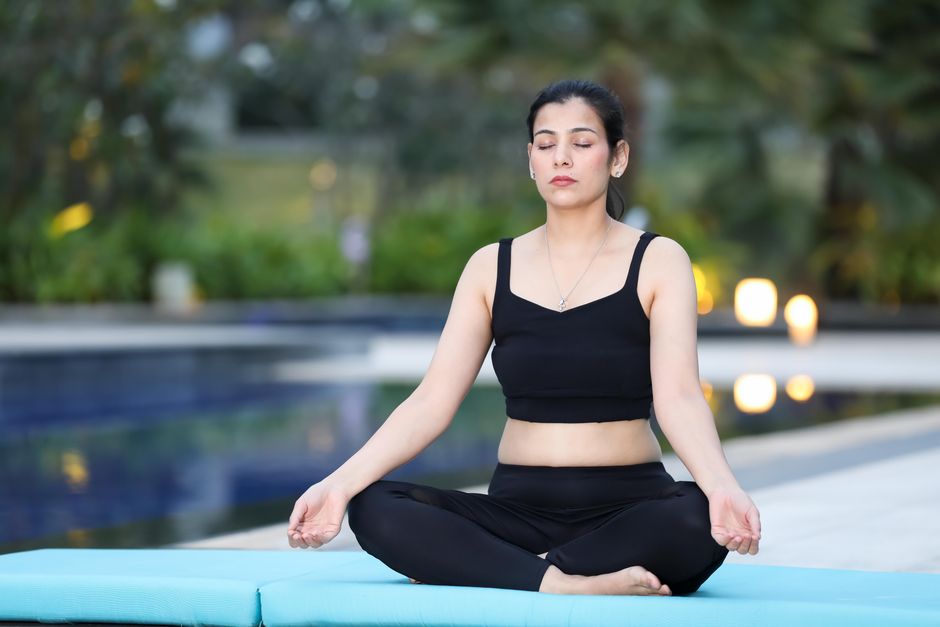
Blank page. No WiFi required. The simplest mindfulness practice gaining traction across Rio de Janeiro's wellness community costs less than a bus ticket on the BRT Transoeste and asks only that you show up with a pen. Journaling — the deliberate, reflective act of writing by hand — is being embraced by practitioners, psychologists and everyday cariocas as a front-line tool for managing anxiety, processing stress and anchoring attention to the present moment.
The timing is not accidental. Global interest in non-pharmaceutical approaches to mental health has surged since 2024, driven partly by growing concern about hormone disruption, sleep disorders and burnout — conditions wellness professionals in Zona Sul report seeing in clients with increasing regularity. In a city where the rhythm between intense social life, career pressure and the open invitation of Ipanema beach can pull a person in four directions at once, finding a portable, low-cost grounding practice matters. Journaling sits at the crossroads of cognitive therapy and meditation, and researchers argue it belongs in both camps.
A 2023 meta-analysis published in the Journal of Medical Internet Research — covering 72 clinical studies and more than 13,000 participants — found that expressive writing interventions reduced self-reported anxiety symptoms by an average of 28 percent over an eight-week period. That figure holds across age groups and income brackets, making it one of the more democratically accessible findings in recent mental health research. The practice costs nothing beyond a notebook; a decent caderno at Papelaria Flávia on Rua Visconde de Pirajá in Ipanema runs about R$18.
Psychologists who use structured journaling as part of therapeutic work draw on a framework developed by University of Texas researcher James Pennebaker in the late 1980s. His core insight — that writing about emotionally charged experiences for as little as 15 minutes per day produces measurable reductions in cortisol and improves immune markers — has been replicated dozens of times since. The mechanism is partly cognitive: writing forces the brain's prefrontal cortex to organise fragmented thoughts, which quiets the amygdala's alarm response. Put simply, naming what you feel on paper gives it less power over you.
Two Rio-based programmes deserve mention. Casa Kuya, a wellbeing centre in Santa Teresa that runs group therapy and somatic workshops, introduced a guided journaling module in March 2026 as part of its eight-week Programa Presença. Participants receive structured prompts each week alongside breathing exercises, and the module is offered both in-person and remotely for R$320 for the full cycle. In Botafogo, the studio Movimento Interno — which sits near Rua Voluntários da Pátria — incorporates a five-minute free-write at the close of its Sunday meditation classes, a decision the studio made after noticing that participants who wrote after sitting practice reported feeling more settled 48 hours later than those who did not.
Neither approach demands literary talent. The entry point is deliberately low. Most facilitators recommend starting with three prompts: what am I noticing in my body right now; what took up the most mental space today; and one thing I want to release before tomorrow. That last prompt in particular resonates with carioca culture, which tends to value collective expression and emotional honesty — qualities that translate well to the private page.
The practical advice from practitioners is consistent: write by hand rather than typing, keep the notebook off your phone's note app, and do it at the same time each day to build a habit anchor. Morning works well before the chaos of the commute along Avenida Presidente Vargas takes hold; evening works for those who need to decompress before sleep. Seven minutes is enough to start. Fifteen is better. There is no wrong entry.
For anyone already using mindfulness apps or attending yoga classes at Parque do Flamengo's open-air sessions, journaling pairs naturally as an offline complement — a way to process whatever surfaces during breathwork or movement. Wellness professionals in Rio consistently recommend discussing any significant anxiety or mood concerns with a qualified psychologist or psychiatrist before relying on any single practice. But as a daily anchor? A R$18 notebook and an honest fifteen minutes remain hard to beat.

Wellness

Wellness
Wellness

Wellness
About this article
Published by The Daily Rio de Janeiro
Spread the word
Daily brief
Free, in your inbox before 7am. Weekdays.
The Daily Network — local news across Australia