Wellness
The Sleep Environment Checklist for Better Rest
As sleepless nights rise in Rio de Janeiro, experts point to simple changes at home that can transform health and energy.
4 min read
Wellness
As sleepless nights rise in Rio de Janeiro, experts point to simple changes at home that can transform health and energy.
4 min read
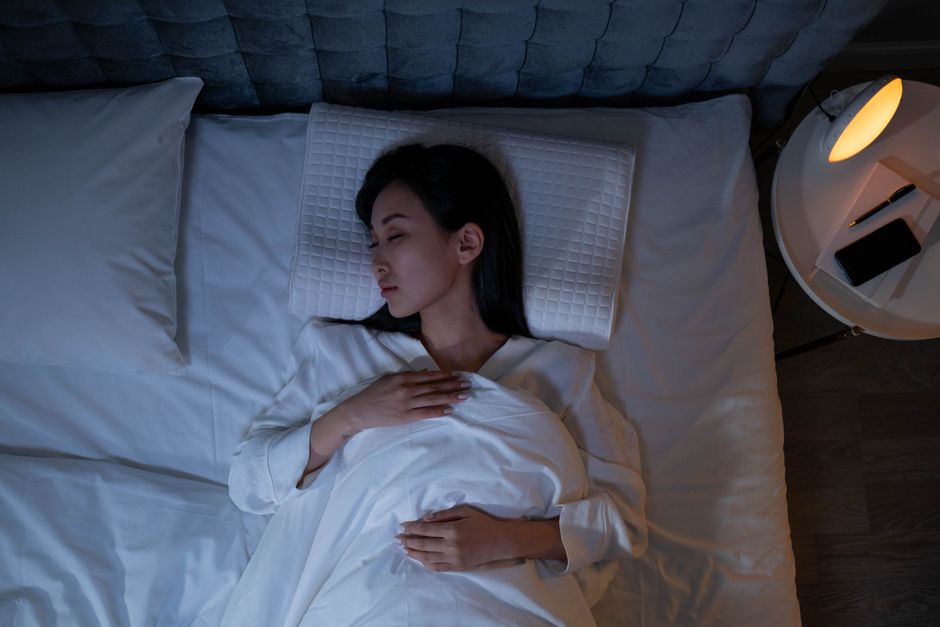
More Cariocas are tossing and turning at night—and local wellness experts say your sleep environment is playing a bigger role than you realise. As July’s steamy nights descend on Laranjeiras and Ipanema, a growing number of residents are asking: how do I make my bedroom a sanctuary for true rest?
Demands on Rio's urban population are up: later working hours, relentless digital distractions and unseasonably warm winter nights have conspired to chip away at precious slumber. Centro-based sleep specialist organizations, like the Instituto do Sono do Rio, have recently seen a spike in bookings for their environmental sleep assessments. Improving sleep is not just about what you eat or how much you move—how your home is set up is now also under the microscope.
Walk into any smart home store on Rua Voluntários da Pátria in Botafogo and you’ll find an expanding "sleep wellness" aisle: blackout curtains (from R$180 a panel), silicone earplugs, luminotherapy lamps, and pillows with cooling gel. This isn’t just marketing—wellness clinics like Clínica do Sono Leblon are sending patients home with detailed sleep environment checklists. Their advice? Simple upgrades, such as removing all light sources from phone chargers to digital clocks, maintaining consistent cool temperatures (22°C is the target advised by local physicians), and investing in good quality mosquito screens for windows to block midwinter pests.
"We ask patients to first declutter," says one staff member at the Leblon clinic, pointing to studies that show a marked improvement in sleep onset for those who keep clothes and electronics out of the bedroom. In some Zona Sul fitness studios, instructors now close evening yoga classes with practical tips: put away your phone an hour before bed, keep bedding freshly washed (recommended minimum cost at neighbourhood laundromats: R$45 per set), and switch to amber lighting after dark.
The statistics reinforce local concern. According to a 2025 survey released by Fundação Oswaldo Cruz, more than 48% of Rio adults reported trouble falling or staying asleep at least three nights per week. That figure has risen 7% compared to 2022, a jump experts link to a combination of chronic stress and environmental factors in bustling districts from Barra to Flamengo. Air conditioning—once a luxury in many Zona Norte apartments—has become a necessity for some. Split units now retail for around R$1,400 at home supply stores on Avenida Brasil, with demand sharply higher since last summer’s record heatwaves.
Meanwhile, complaints about noise are up in Santa Teresa and Copacabana, leading the local residents’ association to partner with UFRJ’s Department of Environmental Acoustics for an upcoming seminar on low-cost soundproofing at the Casa França-Brasil. The initiatives reflect Rio’s tradition of adapting wellness solutions to the quirks of carioca life: coastside humidity, busy street life, and relentless summer parties bleeding into the early hours.
The conclusion from sleep doctors is consistent. Optimising temperature, light, and noise isn’t just about luxury—it’s a health measure, especially for residents juggling early morning commutes and daytime training routines at Aterro do Flamengo or along Avenida Atlântica.
What’s next for restless residents? The Instituto do Sono do Rio is launching a free online checklist for sleep environment audits this month, and neighborhood WhatsApp groups in Tijuca are circulating DIY videos on blackout window treatments. For those lucky enough to live close to Parque Lage, evening walks (with screens left at home) remain a cost-free way to prepare body and mind for downtime.
Ultimately, locals are encouraged to treat improving their sleep space as seriously as their fitness regimen or diet. While a fancy mattress or professional assessment is optional, closing the curtains, keeping cool, and cutting distractions come at little to no cost. For persistent issues, Cariocas should consult a local medical specialist to rule out underlying conditions—but for many, the path to better sleep is just a checklist away.

Wellness

Wellness

Wellness

Wellness
About this article
Published by The Daily Rio de Janeiro
Spread the word
Daily brief
Free, in your inbox before 7am. Weekdays.
The Daily Network — local news across Australia