Wellness
Walking Meditation: How to Turn Your Daily Walk Into Mindfulness
Rio's pavements and beachfronts are already world-class mindfulness studios — you just need to know how to use them.
4 min read
Updated 1 h ago
Wellness
Rio's pavements and beachfronts are already world-class mindfulness studios — you just need to know how to use them.
4 min read
Updated 1 h ago
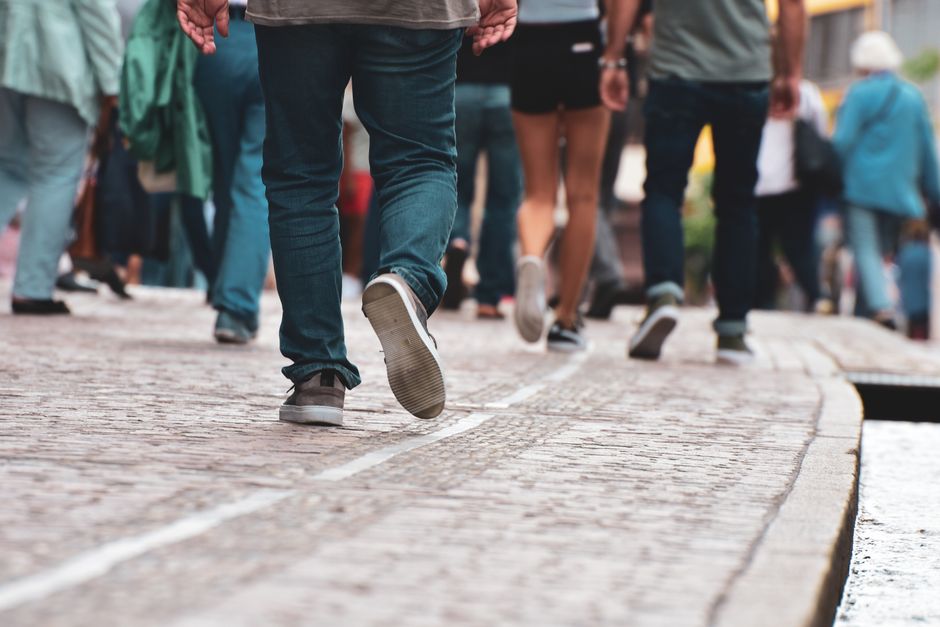
Most cariocas already walk. The question is whether they're actually arriving anywhere mentally. Walking meditation — a formal practice with roots in Theravāda Buddhist tradition known as kinhin in Zen settings — strips the daily stroll down to its essentials: breath, step, sensation. No app required. No studio fee. And in a city shaped by the Atlantic coast, the Tijuca forest and 140 neighbourhoods pressed against each other at sea level, Rio may be one of the most naturally equipped cities on earth for the practice.
The timing matters. Global conversations about hormone disruption, burnout and the collapse of work-life boundaries have accelerated sharply in 2026, with wellness researchers pointing to chronic cortisol elevation as the connective thread linking sleep disorders, cardiovascular risk and low-grade depression. The World Health Organization estimated in its 2025 mental health update that anxiety disorders now affect roughly 301 million people worldwide. Brazil's own data from the Fiocruz foundation, collected in late 2024, found that 26.8 percent of Brazilians reported significant psychological distress in the previous 30 days. Walking meditation costs nothing and requires no prescription — which is precisely why practitioners and psychologists here are pushing it harder this southern-hemisphere winter.
The Orla de Ipanema, specifically the stretch of Avenida Vieira Souto between Posto 8 and Posto 10, is the most obvious starting point. The pavement is wide, the ocean acts as a natural anchor for attention, and the 6 a.m. and 7 a.m. windows before tourist foot traffic builds give walkers genuine quiet. The trick is slowing your pace by roughly 40 percent — enough to feel each foot roll heel-to-toe — and fixing attention on three rotating anchors: the sound of the surf, the contact of the sole with concrete, and the rhythm of the breath.
Less obvious but arguably better suited is the Parque Lage, at the foot of Corcovado in the Jardim Botânico neighbourhood. The park's shaded gravel paths, opening free of charge at 8 a.m. daily, allow for the slightly cooler temperatures that make sustained slow movement comfortable in July. The Escola de Artes Visuais do Parque Lage has hosted informal mindfulness sessions on its grounds since 2023, sometimes collaborating with the Rio Mindfulness collective, which runs Wednesday morning sessions at the park's central courtyard at no cost. For something more structured, Instituto Mente Aberta in Botafogo offers six-week mindfulness-based stress reduction (MBSR) courses, with the July 2026 cohort priced at R$480 for the full programme — roughly R$80 per session.
Walking meditation is not a walk with thinking added. It is almost the opposite — a deliberate subtraction of mental commentary. The standard entry-level technique breaks each step into a silent two-part label: lifting as the heel rises, placing as the ball of the foot lands. Practitioners repeat this labelling internally for the first five minutes until the analytical brain quiets and sensory data — wind temperature, the smell of salt or jasmine, muscle activation in the calf — comes forward on its own.
A 2023 study published in the journal Mindfulness tracked 74 adults over eight weeks and found that those who substituted one regular cardio walk per week with a slow, labelled walking meditation session reported a 19 percent reduction in self-reported rumination scores compared to controls. The cardiovascular benefit was statistically similar between both groups. The mental health delta was not.
For Rio residents starting from zero, practitioners suggest beginning with a 15-minute circuit on a familiar route — the Lagoa Rodrigo de Freitas cycling and pedestrian loop in Lagoa is a reliable option, flat and 7.5 kilometres in total circumference. Mark a clear start point, slow down, and treat the first three minutes as a deliberate settling period. Bring no podcasts. Leave the earbuds at home. The city, it turns out, already provides the soundtrack. Consult a local psychologist or integrative medicine professional before beginning any formal mindfulness programme if you are managing a diagnosed mental health condition.

Wellness

Wellness

Wellness

Wellness
About this article
Published by The Daily Rio de Janeiro
Spread the word
Daily brief
Free, in your inbox before 7am. Weekdays.
The Daily Network — local news across Australia