Wellness
Gut Health 101: Fermented Foods You Can Find Locally
From the feira stalls of Glória to the health food shops of Leblon, Rio has a surprisingly rich fermented food scene — and your microbiome will thank you for exploring it.
4 min read
Wellness
From the feira stalls of Glória to the health food shops of Leblon, Rio has a surprisingly rich fermented food scene — and your microbiome will thank you for exploring it.
4 min read
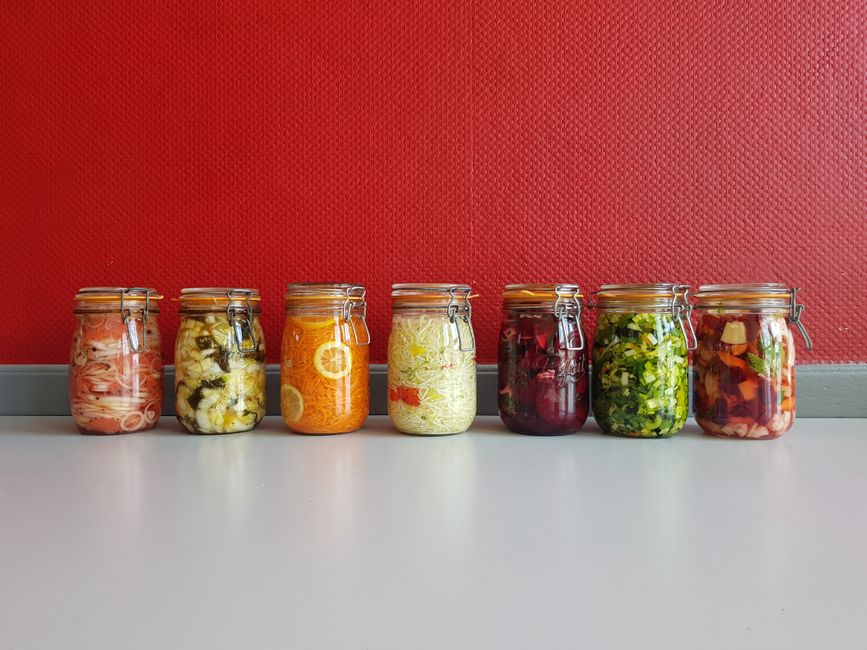
Fermented foods are having a serious moment in Rio de Janeiro, and it's not just trend-chasing. Nutritionists at clinics across Botafogo and Flamengo are increasingly pointing patients toward locally available fermented options as first-line dietary support for gut health — before prescribing probiotic supplements that can run R$80 to R$200 per month at Drogasil pharmacies citywide.
The shift matters because Brazilian dietary habits have taken a hard turn in recent decades. Data from the 2023 Vigitel survey — the federal government's telephone surveillance study — found that 57% of Brazilian adults are overweight, and that ultra-processed foods now account for roughly 20% of daily caloric intake among adults in major urban centres including Rio. Gut microbiome disruption is one of the recognised downstream effects of that pattern, and fermented whole foods are among the most accessible correctives available.
Kefir is the easiest entry point. The Feira da Glória, held every Saturday morning on Rua do Catete, consistently has two or three vendors selling fresh milk kefir grains for R$15 to R$25 per portion — enough to inoculate a litre of whole milk within 24 hours at room temperature. Kefir contains anywhere from 10 to 34 distinct probiotic strains depending on the grain culture, far exceeding the single-strain counts in most commercial yoghurts.
Kombucha has moved well beyond the health-fringe in Zona Sul. The Empório Santa Maria in Leblon stocks at least four domestic kombucha labels, including the Rio-based brand Bora Brew, which ferments its SCOBY cultures in Jacarepaguá and sells 330ml bottles for R$16. Bora Brew launched its Carioca line in March 2026 with flavours built around local ingredients — maracujá, caju and gengibre — which means you're getting the organic acids and B vitamins of fermentation alongside fruit compounds native to the region.
Chucrute — sauerkraut — is less discussed but quietly embedded in Rio's German-Brazilian food heritage. The Mercado Municipal da Tijuca on Avenida Maracanã carries bulk sauerkraut from a supplier in Nova Friburgo, 170 kilometres north in the mountain corridor, for roughly R$18 per 500 grams. Unpasteurised versions, which preserve the live Lactobacillus cultures responsible for the gut benefits, are labelled cru or não pasteurizado — worth checking before you buy, because many supermarket versions are heat-treated and microbiologically inert.
Standard commercial yoghurt — the kind sold in litre cartons at Pão de Açúcar across the city — does contain live cultures, but typically just two strains: Lactobacillus bulgaricus and Streptococcus thermophilus. Functional nutrition research published in the journal Cell in 2021 compared a high-fermented-food diet against a high-fibre diet over ten weeks and found the fermented food group showed measurably greater microbiome diversity and lower inflammatory markers. Diversity of strains, not just quantity, appears to be what drives those results.
Miso is worth a mention for Rio cooks. The Nihon Supermarket on Rua Farani in Botafogo — a fixture of the neighbourhood's small but dedicated Japanese-Brazilian community — carries unpasteurised white and red miso for R$22 to R$35 per 300-gram pack. Stir a tablespoon into broth after removing it from the heat and you preserve the Aspergillus oryzae cultures that make it functionally useful rather than just flavourful.
The practical advice is straightforward: start with one fermented food per day, added to what you already eat, rather than overhauling your diet wholesale. Digestive symptoms like bloating sometimes increase in the first one to two weeks as your gut bacteria adjust — this is normal and usually temporary. If symptoms persist beyond three weeks or you have a history of immune compromise or inflammatory bowel disease, speak with a gastroenterologist or registered nutritionist before continuing. The Conselho Federal de Nutricionistas maintains a public directory at cfn.org.br where you can find credentialled professionals practising in Rio. The gut research is compelling; the local pantry is stocked. There's no reason to wait.

Wellness

Wellness

Wellness

Wellness
About this article
Published by The Daily Rio de Janeiro
Spread the word
Daily brief
Free, in your inbox before 7am. Weekdays.
The Daily Network — local news across Australia