Wellness
Meal Prep Strategies for Busy Families and Workers in Rio de Janeiro
With rising grocery costs and hectic commutes, cariocas are revamping meal prep to keep healthy eating on track.
3 min read
Updated 1 h ago
Wellness
With rising grocery costs and hectic commutes, cariocas are revamping meal prep to keep healthy eating on track.
3 min read
Updated 1 h ago
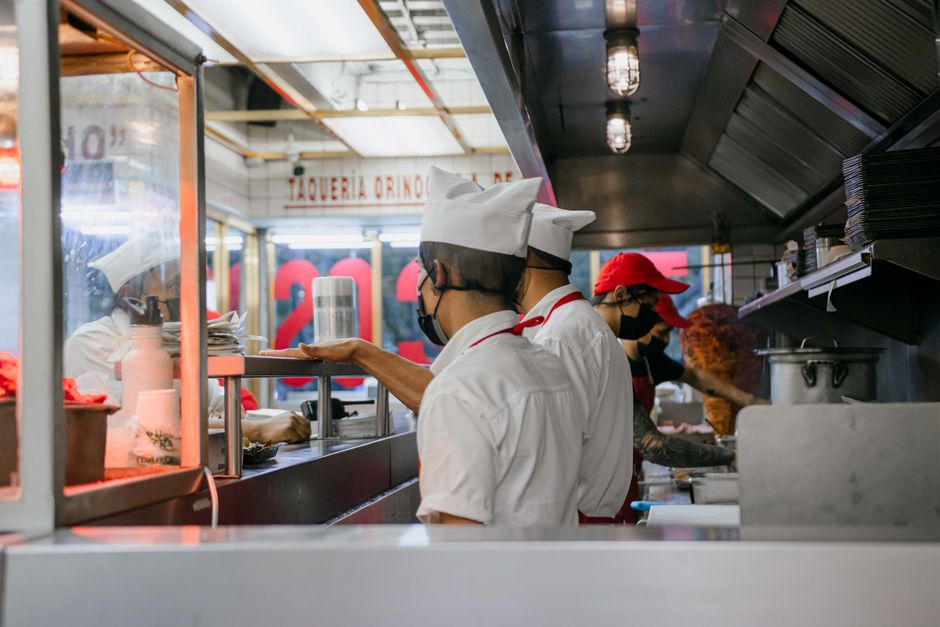
Mondays at 7 a.m., Rua Voluntários da Pátria in Botafogo is already humming with activity—families dashing for the Metro, delivery bikes weaving through traffic, and food containers packed into backpacks. For many busy cariocas, finding time to cook nutritious meals has become a daily challenge. As the cost of living in Rio rises and schedules get tighter, more residents are turning to meal preparation strategies to keep healthy eating realistic.
Nutritionists at the Centro Universitário Celso Lisboa, based in Engenho Novo, report that a growing number of working adults and families are asking for practical advice on batching healthy meals. School drop-offs, long commutes, and unpredictable work hours have made the traditional three-meal, home-cooked routine nearly impossible for some. With carioca traffic taking an average of 43 minutes per commute, according to Rio’s Secretaria Municipal de Transportes, time for lunch prep often disappears.
Ana Paula Fernandes, a dietitian collaborating with the Programa Alimenta Rio, says the spike in interest during the last school term reflects concerns over high sodium and sugar in quick-fix café and padaria options. Prep clinics and pop-up courses—like those offered at Mercado Municipal do Rio de Janeiro (Cadeg) in Benfica—now fill fast, as more families look to bulk-cook beans, grill vegetables, and portion rice for grab-and-go lunches. Cadeg’s weekend classes routinely sell out, with tickets priced at around R$40 per session.
The numbers reveal why prep is gaining traction. According to the Associação Brasileira de Supermercados, the average price for one ready-to-eat meal in Zona Sul restaurants was R$56 as of June 2026—double the price of a home-cooked arroz e feijão serving with salad. Carioca families who batch-cook on Sundays can cut food spending by 35%, based on figures published by the Instituto Brasileiro de Defesa do Consumidor. “We see workers bringing marmitas not just to offices near Avenida Presidente Vargas, but also to construction sites and universities from Barra da Tijuca to Urca,” says a program coordinator at Alimenta Rio, citing internal participation surveys.
Instagram and WhatsApp groups dedicated to meal planning have boomed. Online, #MarmitaCarioca regularly trends with thousands sharing tips on storing fresh produce from Feira Livre de Ipanema and swapping lentil recipes for vegan takes on feijoada. Cooking in bulk also means fewer supermarket trips, a plus given the June data showing food prices up 7.2% compared to last year.
What comes next for Rio’s busy families? Experts recommend starting with three simple steps: (1) Plan meals for the week using local, in-season produce—think chayote, yam, and collard greens, all affordable staples at the Rua do Catete market; (2) Cook and portion grains, legumes, and proteins in advance, storing servings in stackable glass containers, available for about R$35 a set in Lapa’s popular housewares shops; (3) Use freezer-friendly recipes and flexible menus to keep options interesting and reduce waste. Classes like Sesc Copacabana’s monthly meal prep sessions, announced on their July calendar this past week, offer hands-on support.
The rise of meal prep isn’t just a trend—it’s an adaptation to Rio’s relentless pace. Locals are proving that with basic planning and a few reusable containers, healthy home-cooked food can stay on the menu, even when home itself is just a pit stop between work, school, and parade rehearsal.

Wellness

Wellness

Wellness

Wellness
About this article
Published by The Daily Rio de Janeiro
Spread the word
Daily brief
Free, in your inbox before 7am. Weekdays.
The Daily Network — local news across Australia