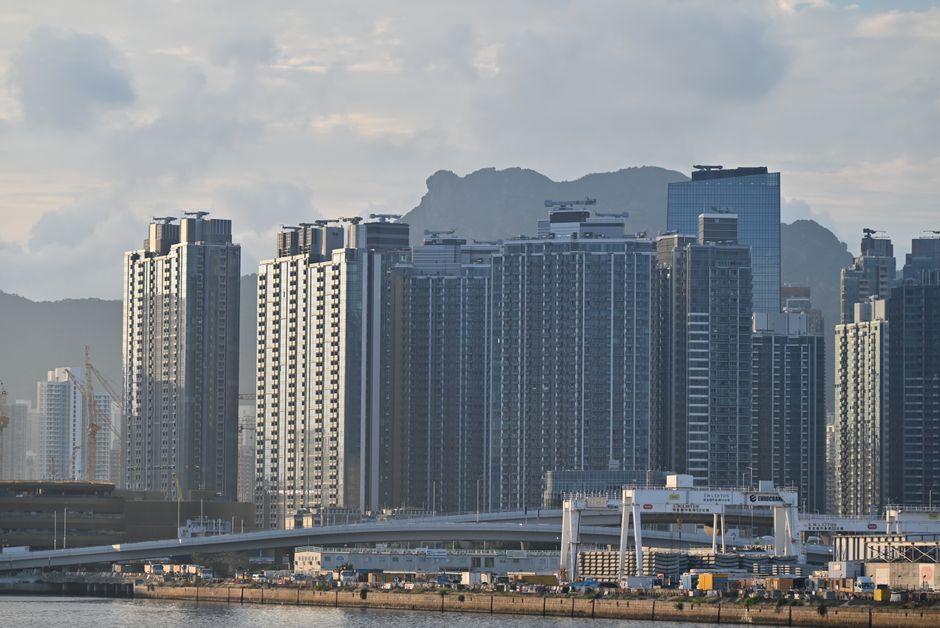
The Câmara Municipal do Rio de Janeiro is scheduled to vote before August 15 on a revised version of the Plano Diretor — the city's master urban development plan — that would rezone significant portions of the North Zone and loosen height restrictions along the Linha Amarela corridor. The vote, postponed twice since March, sets up what urban planners and community associations say is the most consequential municipal decision since the Porto Maravilha redevelopment project broke ground in 2010.
Why it matters now is straightforward: Rio enters the second half of 2026 under fiscal pressure, with the municipal government carrying roughly R$4.2 billion in outstanding service contracts and an infrastructure backlog concentrated in the Zona Norte and Zona Oeste. Federal World Cup infrastructure money — Brazil co-hosts FIFA 2026 with Argentina and Uruguay — is largely committed to Maracanã upgrades and transport links serving the Barra da Tijuca stadium cluster. What gets built elsewhere, and who decides, comes down to the Plano Diretor revision and a parallel set of community consultations running through September.
Santa Teresa and Maré: Two Neighbourhoods, Two Very Different Fights
In Santa Teresa, the Associação dos Moradores e Amigos de Santa Teresa has been meeting weekly at the Centro Cultural Laurinda Santos Lobo on Rua Monte Alegre since May, pushing back against a proposed amendment that would allow mixed-use commercial buildings of up to eight storeys on streets currently capped at four. Residents argue the change would accelerate the displacement already creeping up from Lapa. The association submitted a 1,200-signature petition to Vereador offices in late June and is demanding a public hearing inside the neighbourhood — not at the Câmara building downtown on Rua Primeiro de Março — before any final vote.
In Maré, a complex of 16 favelas in the North Zone housing an estimated 140,000 people, the urgent question is different: when does the city actually deliver on the R$180 million drainage and flood-mitigation package announced in January by the Secretaria Municipal de Infraestrutura? The Redes da Maré NGO has documented that as of late June, earthmoving equipment had been seen on only two of the seven planned intervention sites. The rainy season technically ends in March, but flash flooding on Avenida Brasil — which borders Maré to the south — caused road closures on at least nine days between October 2025 and April 2026.
What the Next 90 Days Actually Look Like
Three formal decision points sit on the calendar before October. The Plano Diretor vote comes first, anchored to that August 15 deadline. Second, the city's Comitê Gestor do Clima must publish its updated adaptation framework — a requirement under Municipal Law 6.974/2021 — by September 1. Environmental groups including o Instituto Pereira Passos have been watching that deadline closely; the 2024 framework was published four months late and contained no binding targets. Third, the Secretaria de Habitação is expected to announce in August which of three candidate sites in Guaratiba will receive the next tranche of Minha Casa Minha Vida units earmarked for Rio, covering roughly 2,300 families currently on a waiting list that has not been updated publicly since December 2024.
For residents tracking all three processes simultaneously, the practical entry point is the city's online portal, Rio Prefeitura Participa, which is supposed to host the Plano Diretor consultation documents but as of July 3 was still showing the 2021 draft. Community organisers in Tijuca and Méier have been sharing PDF copies of the new text through neighbourhood WhatsApp groups instead. The Câmara's public gallery on Rua Primeiro de Março is open for committee sessions every Tuesday and Thursday at 10 a.m. The next full committee hearing on the Plano Diretor revision is set for July 14.
Decisions delayed have a habit of arriving all at once in Rio. August will test whether that pattern holds again.