culture
Rio de Janeiro's Cultural Scene: A Rich History and Evolution
From samba to street art, the city's vibrant culture has been shaped by its diverse communities and neighbourhoods.
3 min read
Updated 1 h ago
culture
From samba to street art, the city's vibrant culture has been shaped by its diverse communities and neighbourhoods.
3 min read
Updated 1 h ago
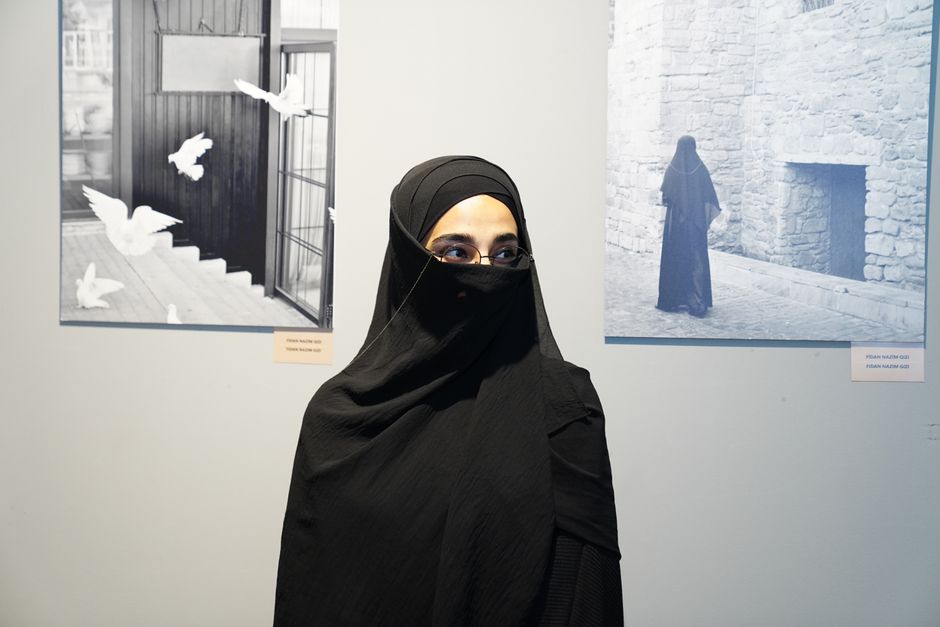
Rio de Janeiro's cultural scene has a long and storied history, with roots dating back to the 19th century when the city was a major hub for European immigrants. Today, the city is home to a thriving arts and culture scene, with numerous museums, galleries, and performance venues.
The evolution of Rio's cultural scene is particularly relevant now, as the city continues to grow and develop as a major global destination. With the rise of tourism and gentrification, there are concerns about the impact on local communities and the preservation of the city's unique cultural identity. The city's cultural scene is a key part of its appeal, with visitors drawn to the vibrant neighbourhoods of Santa Teresa, Lapa, and Copacabana, where they can experience the city's famous music, dance, and art.
In Rio, the cultural scene is deeply rooted in the city's diverse neighbourhoods, with organisations such as the Rio de Janeiro State Culture Secretariat and the Municipal Culture Secretariat working to promote and preserve the city's cultural heritage. The city is home to numerous cultural landmarks, including the iconic Christ the Redeemer statue, the National Museum of Fine Arts, and the Teatro Municipal, which hosts a wide range of performances throughout the year. The streets of Lapa are also home to the famous Escadaria Selarón, a colourful staircase created by artist Jorge Selarón, which has become a popular spot for tourists and locals alike.
According to data from the Brazilian Institute of Geography and Statistics (IBGE), the number of cultural events and festivals in Rio de Janeiro has increased by 25% over the past five years, with over 1,000 events taking place in 2025 alone. The city's cultural scene also generates significant revenue, with a study by the Rio de Janeiro State Culture Secretariat finding that the sector contributes around R$10 billion (approximately $2.5 billion USD) to the local economy each year. The average price of a ticket to a cultural event in Rio is around R$50 ($12.50 USD), making it accessible to a wide range of audiences.
As the city's cultural scene continues to evolve, it's likely that we'll see even more innovative and exciting initiatives in the coming years. For visitors and locals alike, there are plenty of ways to get involved and experience the best of Rio's culture, from attending a samba performance at the famous Pedra do Sal, to exploring the street art scene in the neighbourhood of Botafogo. With its rich history, diverse communities, and vibrant cultural scene, Rio de Janeiro is a city that has something to offer everyone, and its cultural scene is sure to continue to thrive and evolve in the years to come.
About this article
Published by The Daily Rio de Janeiro
Spread the word
Daily brief
Free, in your inbox before 7am. Weekdays.
The Daily Network — local news across Australia