culture
Your July 2026 Rio Culture Guide: Where to Catch the City's Best Music, Theatre and Art Right Now
From samba on the waterfront to experimental theatre in Lapa, here's what's worth your time this month.
4 min read
Updated 2 h ago
culture
From samba on the waterfront to experimental theatre in Lapa, here's what's worth your time this month.
4 min read
Updated 2 h ago
Rio's cultural calendar hits a sweet spot in July—the winter season keeps temperatures manageable for outdoor events, and venues across the city are programming aggressively to capture both locals escaping the school holidays and tourists arriving before August's peak. The next four weeks offers a genuine mix of established institutions and smaller independent producers, each betting you'll trade an evening for something memorable.
The timing matters. During northern hemisphere summer doldrums and with international attention scattered across a dozen global crises, Rio's arts organisations are competing harder than usual for audience attention. They're taking risks. Venues like the Teatro Municipal downtown and the Circo Voador in Lapa are running parallel programs—one foot in tradition, one foot in what comes next. Museums and galleries have staggered their summer exhibitions to run through August, knowing July foot traffic can be unpredictable.
Start with logistics. The Teatro Municipal on Avenida Rio Branco seats 2,300 and has three offerings worth considering this month: a Wagner retrospective running through July 18 at 8 p.m. most evenings, a ballet company performance on July 12, and chamber music on July 26. Tickets run 80 to 250 reais depending on seating. The box office opens at 1 p.m. daily. The building itself—white stone facade, art deco bones—rewards arriving early to poke around the lobby before the lights dim.
For something rawer and more electric, Circo Voador on Rua dos Arcos in Lapa hosts live music Thursday through Sunday. This month features MPB acts alongside younger musicians testing out samba fusion ideas. Cover charges typically fall between 40 and 100 reais. The space draws serious musicians and serious audiences. The bar stocks decent cachaça, and the crowd skews 25 to 55, mixed income, genuinely there to listen.
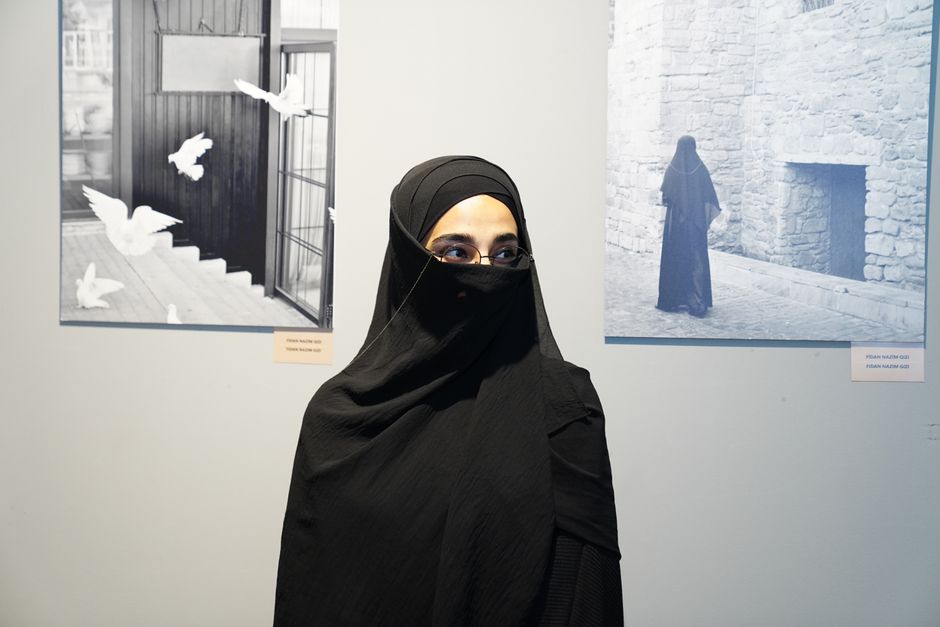
The Museu de Arte do Rio (MAR) on Praça Mauá has rotated in a photography exhibition exploring street markets across Brazil's northeast. Entry costs 20 reais. Most mornings before 11 a.m. the crowds are light. The museum's restaurant overlooks the bay and serves lunch reasonably. Two hours here feels complete.
Art galleries cluster in Centro and Santa Teresa. The Galeria Millan on Rua Barão de Mamoré near the tram station showcases contemporary work from Rio-based painters and sculptors. No cover charge. The space itself—converted colonial building—matters as much as the art. Mid-July features a mixed-media show by local artists working with recycled materials, tied loosely to environmental themes.
Espaço Cultural da Marinha, housed in a military compound facing Guanabara Bay, runs free exhibitions daily from 10 a.m. to 5 p.m. This month focuses on naval history and modernist art. The location is spectacular, the programming serious, and you can walk the grounds afterward without spending a real. Bring water.
Theatre gets interesting. Projeto Brasil Conectado runs experimental productions in smaller venues across Zona Norte, with performances most weekends. Tickets run 30 to 60 reais. These aren't polished productions—they're rehearsals in public, essentially. If you speak Portuguese at a functional level, the intimacy of these spaces rewards showing up.
Street festivals and informal performances happen nightly around Praça Tiradentes and along the waterfront near Barra. A Saturday evening walk from Centro toward Gambôa sometimes nets live samba, usually unplanned, always free. Musicians treat these as practice grounds and tips sustain them.
July's humidity averages 65 percent and temperatures peak around 28 degrees Celsius—warm enough for evening events, cool enough to move around. Most venues seat between 150 and 1,000 people. Book larger shows (Teatro Municipal, major gallery openings) a week ahead. Smaller venues take walk-ins. The Metro and bus system gets you to any cultural venue in the city for 4.40 reais.
If you're staying beyond early August, July serves as a testing ground. The theatres and galleries show you their hand before they push harder in August. The audiences are real, the work is current, and the city itself—less crowded than it will be in a month—lets you actually navigate between venues without spending three hours in traffic. Check venue websites directly rather than relying on aggregator apps. Rio's cultural landscape changes week to week, sometimes day to day, and the official channels stay most current.
About this article
Published by The Daily Rio de Janeiro
Spread the word
Daily brief
Free, in your inbox before 7am. Weekdays.
The Daily Network — local news across Australia