Gold crossed $4,187 per troy ounce on Saturday, a gain of more than four percent in a single session, and the number reverberating through trading desks from Leblon to Centro is not the metal's price in dollars — it is what that price means in reais. With the euro buying $1.1440 and the broader dollar index retreating against most major currencies, the real has found room to breathe. For investors in Rio de Janeiro who hold positions in Petrobras, Vale, or any of the mid-cap miners listed on B3, this is not an abstract macro signal. It is a direct hit to their portfolio valuations, in both directions.
The opportunity is clearest in the gold complex. Brazilian mining groups with producing assets — particularly those with export revenues denominated in dollars but costs carried in reais — are seeing margin expansion that is difficult to manufacture through any other mechanism. A weaker dollar widens that spread modestly, but a $4,187 gold price overwhelms the currency drag entirely. Analysts covering the metals sector note that Brazilian royalty and streaming structures, which lock in a percentage of production rather than a fixed price, are now capturing upside that equity holders could not have modelled twelve months ago. Stocks in that category have moved sharply higher on B3 this week, though specific session figures for Brazilian equities were unavailable at press time.
Bitcoin's Surge and the Petrobras Drag
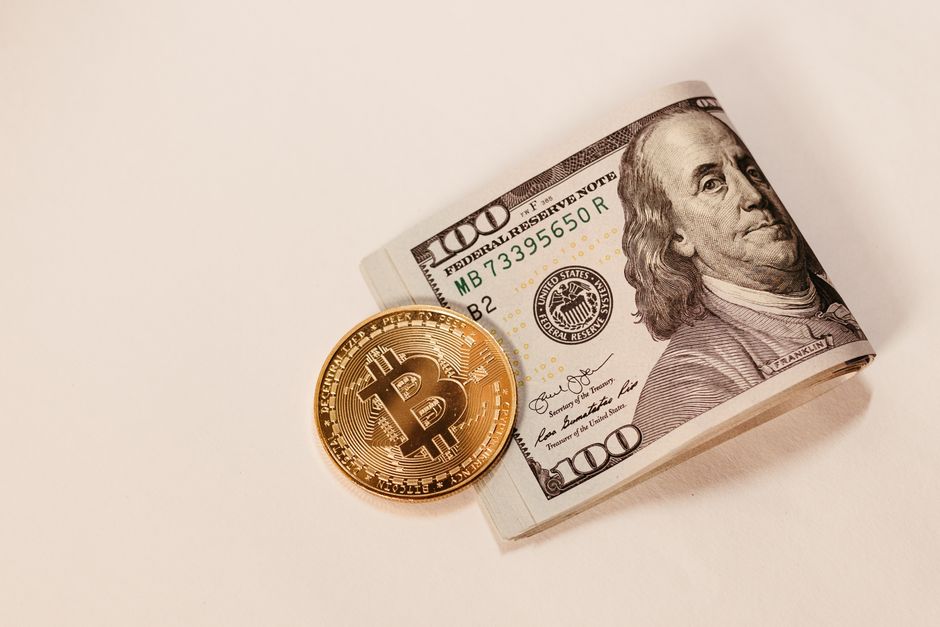
Two other numbers from Saturday's global session demand attention from Rio readers. Bitcoin climbed to $62,456, a gain of 6.66 percent, its sharpest single-day move in several weeks. The rally is pulling retail and institutional capital that had been sitting in fixed-income instruments back toward risk assets. Brazilian exchanges offering crypto exposure, including those regulated under the Banco Central do Brasil's framework established in 2023, have reported elevated trading volumes on days when Bitcoin moves more than five percent. For the city's growing class of younger investors — concentrated in Barra da Tijuca and Botafogo neighborhoods where fintech adoption is highest — the move is a reason to revisit allocations that were quietly wound down during the prolonged consolidation of early 2026.
The darker side of Saturday's tape sits in crude oil. WTI dropped to $68.78 per barrel, a fall of 2.78 percent, and that number carries specific weight in a city whose economic identity is inseparable from the offshore pre-salt basin. Petrobras, headquartered on Avenida República do Chile in downtown Rio, generates revenue that tracks Brent closely. A sustained retreat toward $65 per barrel would compress free cash flow and put pressure on the company's generous dividend policy, which tens of thousands of Rio residents rely on either directly through shares or indirectly through pension funds administered by Funcef and Petros, the two largest funds with significant Petrobras exposure. Saturday's move alone is not a crisis, but three consecutive weeks of crude weakness have begun to concentrate minds.
The S&P 500 at 7,483, up 1.71 percent, and the Nasdaq Composite at 25,833, up 1.87 percent, tell a story about where global risk appetite is sitting on the Fourth of July holiday. American markets are closed for the session, meaning Saturday's gains reflect futures positioning and offshore trading rather than a full primary session. That context matters for Brazilian investors who use US equity performance as a directional indicator for the Bovespa's Monday open. A strong close in New York typically supports sentiment in São Paulo and, by extension, the financial district here in Rio.
The real question for portfolio managers in Rio is duration. Gold at these levels is attracting comparisons to its 2020 safe-haven spike, but the composition of buyers is different this time. Central banks, particularly in emerging markets, have been accumulating bullion through the Banco Central do Brasil's own reserve management program, and sovereign demand of that kind tends to be stickier than the ETF flows that drove earlier rallies. If the bid holds through July, companies in the gold extraction and refining chain listed on B3 could see another leg of re-rating.
Fixed-income savers in Rio face a more nuanced picture. The Selic rate remains the dominant anchor for local bonds and savings accounts, and dollar weakness generally allows the Banco Central more flexibility to ease without triggering capital outflows. A rate environment that edges lower through the second half of 2026 would push yield-seeking money from Tesouro Direto products toward equities and real assets, accelerating exactly the kind of rotation that gold and crypto moves on Saturday suggest is already beginning globally. The window may not stay open long. But on this particular Saturday, the data is pointing in one direction: the commodity trade, long written off as a value trap, is back in the conversation.