Wall Street delivered a broad advance overnight, with the S&P 500 closing at 7,483, up 1.71 percent, and the Nasdaq Composite adding 1.87 percent to finish at 25,833. For traders settling into their desks in São Paulo and Rio de Janeiro on Saturday morning, the session offers two distinct signals pulling in opposite directions: a resurgent appetite for risk assets in developed markets, and a commodity picture that will test the Bovespa's heaviest sectors the moment Monday's opening bell rings at B3.
The headline number that will draw the most attention in Rio is gold. Spot prices climbed 4.10 percent to $4,187 per troy ounce, a move of that magnitude in a single session suggesting something more than routine safe-haven demand. Persistent uncertainty around U.S. fiscal policy, renewed concerns about sovereign debt trajectories in Washington, and a softer dollar, the euro gained 0.47 percent to $1.1440 against the greenback, all contributed to the rush into bullion. For Brazilian investors, the implications are direct. Shares in mining and royalty-linked names listed on B3 could see a sharp morning gap higher, and Rio-based commodity analysts will be watching whether Vale's gold-adjacent diversification narrative gets any fresh traction off the back of overnight prints.
Oil is the complicating factor. WTI crude dropped 2.78 percent to $68.78 per barrel, erasing several days of tentative stabilisation. Petrobras, which remains the single largest weighting in the Ibovespa index and whose dividend policy is tightly bound to oil revenues, faces direct headwinds from that move. A sustained print below $70 per barrel starts to pressure the free cash flow assumptions that underpin the company's payout commitments. Traders in Rio with long Petrobras positions will be recalibrating over the weekend, particularly those running leveraged strategies through derivatives on B3's futures market.
Bitcoin's Jump and the Real's Position
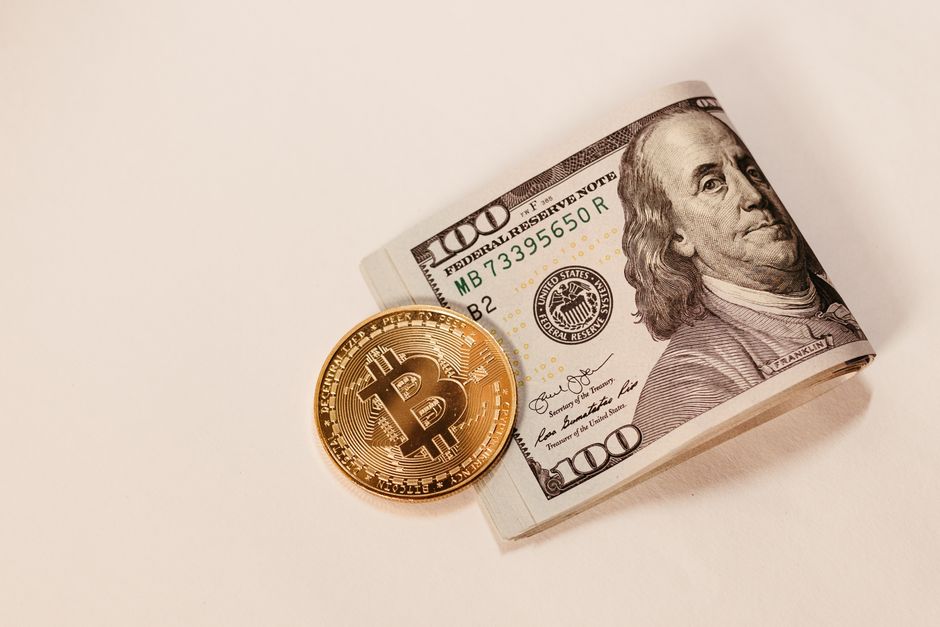
Bitcoin climbed 6.66 percent to $62,456, its sharpest single-session gain in several weeks. Brazilian retail participation in crypto markets has grown substantially since the Receita Federal mandated disclosure rules were tightened in 2024, and that segment of the investor base will be watching closely. The move coincided with the broader risk-on tone in equities, but Bitcoin's outperformance relative to the S&P 500 is worth noting. It implies some rotation into higher-beta assets among institutional players, a pattern that has historically preceded short bursts of inflow into emerging market equities, including Brazil.
The dollar's softness against the euro is a useful proxy for the broader direction of the DXY index, which was not captured in last night's data feed but qualitatively held weaker across the session. A softer dollar environment is generally constructive for the Brazilian real, reducing the cost of servicing dollar-denominated corporate debt that sits on the balance sheets of several Bovespa-listed industrials and utilities. The Banco Central do Brasil's next Copom meeting falls in late July, and overnight market pricing in the U.S. for Federal Reserve rate cuts has shifted modestly dovish following this week's data, which gives Lamy and the Brazilian rate-setting committee slightly more room to manoeuvre without triggering capital outflow pressure.
Technology names led the Nasdaq's advance, with semiconductor-adjacent stocks outperforming. Brazil has limited direct listed exposure to that sector, but the risk appetite signal matters for the broader emerging market trade. When U.S. tech runs hard, the correlation to EM inflows, particularly through ETFs tracking the MSCI Emerging Markets benchmark, tends to tighten. Funds tracking that index carry meaningful Brazil weight, typically in the 5 to 7 percent range, and a sustained Wall Street bid increases the probability of passive inflows hitting B3 through the early part of next week.
The setup heading into Monday is therefore mixed but tilted positive, with important caveats. Gold at $4,187 is a gift for mining names. Bitcoin at $62,456 refreshes the risk mood. But Petrobras shareholders face a genuine test, and the bank stocks, Itaú Unibanco, Bradesco, Banco do Brasil, will trade partly on domestic macro signals and partly on whether the global mood holds through the weekend. With U.S. markets closed today for the July 4 Independence Day holiday, there will be no further directional data out of New York until Monday. That vacuum gives domestic Bovespa drivers, Brazilian inflation prints, fiscal headlines from Brasília, and any movement in the real, unusual influence over how the week begins.