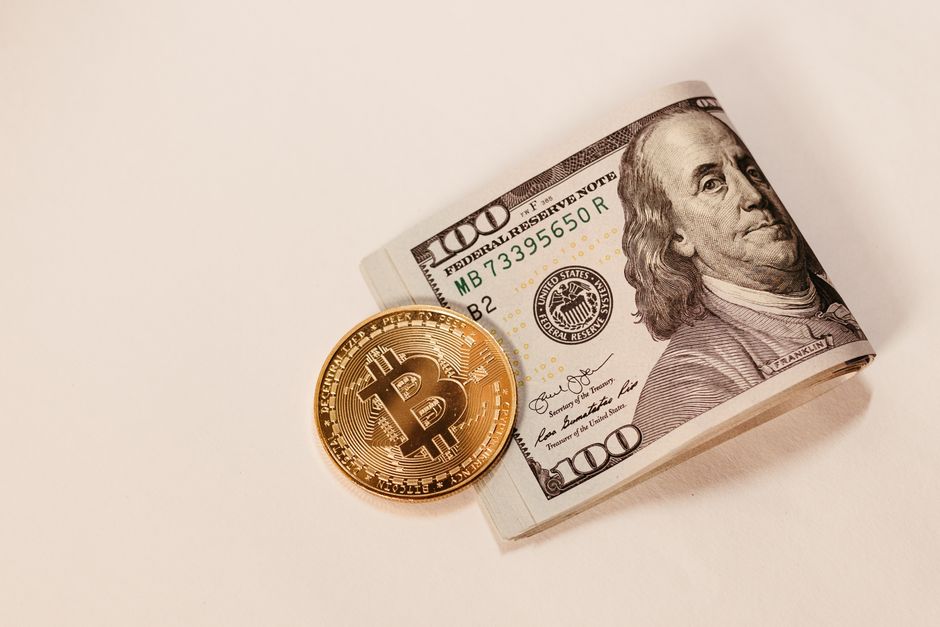
Gold hit $4,187 per troy ounce on Friday, a gain of 4.1% in a single session, and in the Zona Sul apartments and Flamengo offices of Rio de Janeiro, the number landed with unusual weight. The Bovespa's heavy exposure to commodity-linked equities means carioca investors felt the reverberations almost immediately, while the simultaneous slide in WTI crude to $68.78 a barrel, down 2.78% on the day, sent a more complicated signal to a city whose economic identity remains tightly wound around Petrobras and the offshore pre-salt fields. Add a Bitcoin rally of 6.66% to $62,456 and a strengthening euro at $1.1440 against the dollar, and you have a Friday that rewarded diversification and punished anyone sitting still in a single asset class.
For most Rio households, these figures arrive as abstractions. Rent in Botafogo and Laranjeiras has climbed sharply over the past eighteen months, supermarket bills at chains like Pão de Açúcar have tracked food inflation stubbornly above the Banco Central's target band, and the cost of private school fees, health plans and condominium maintenance in the South Zone has compounded the pressure. Wage growth in the city's dominant service sectors, including tourism, oil services and financial back-office operations, has not kept pace. The result is a squeeze that financial advisers in Rio have been documenting since the second quarter of 2025.
One Entrepreneur's Answer to the Inflation Trap
Into that gap has stepped Mariana Fontes, a 34-year-old Niterói native who launched Ouro Fracionado in March 2025, a Rio-based platform that lets users buy fractional exposure to physical gold through a regulated structure linked to the B3 commodities segment. Fontes, who previously worked in treasury at Bradesco before completing an MBA at FGV-RJ, built the platform after watching colleagues lose purchasing power during successive cycles of real depreciation. The minimum investment is R$50, deliberately set below the threshold that excludes low- and middle-income earners from most structured products. The company now has roughly 18,000 active accounts, the majority opened by users between the ages of 25 and 40 in Rio, São Paulo and Belo Horizonte.
Friday's gold surge to $4,187 was, by any measure, a validation of the thesis. Gold priced in reais has outperformed the CDI rate, Brazil's benchmark short-term return, over the past twelve months, and the dollar's relative strength through much of that period amplified gains for Brazilian holders of dollar-denominated commodities. Fontes was careful this week not to declare victory too loudly. Platforms built on single-commodity logic carry concentration risk, and the WTI crude drop serves as a reminder that commodities can move sharply in either direction. Her platform now includes a blended option that allocates across gold, a diversified commodity basket and short-duration Tesouro IPCA+ bonds, the inflation-linked federal securities that have attracted renewed retail interest this year.
The broader market backdrop on July 4 reinforced the case for thinking globally from a local base. The S&P 500 rose 1.71% to 7,483 and the Nasdaq Composite climbed 1.87% to 25,833, driven largely by technology and artificial intelligence-exposed stocks. Those gains matter to Rio investors because Brazilian pension funds and larger family offices hold meaningful allocations to international equity funds, many of them benchmarked to US indices. The euro's move to $1.1440 also has direct relevance: the EU remains one of Brazil's largest trading partners, and a stronger euro supports Brazilian commodity export revenues denominated in euros.
The practical takeaway for Rio households this July is uncomfortable but clear. Cash held in standard savings accounts, the old poupança accounts that millions of Brazilians still rely on, continues to lose ground against inflation in real terms. Tesouro Direto IPCA+ instruments offer a more defensible floor. Gold and diversified commodity exposure through regulated vehicles like those on the B3 can act as a buffer, particularly when the real weakens. And the Bitcoin move, 6.66% in one session, reminds risk-tolerant savers that digital assets remain a live conversation, if a volatile one, even if most financial planners in Rio recommend keeping any crypto allocation below 5% of a household portfolio.
Fontes plans to open a physical office in Leblon before the end of the third quarter, targeting face-to-face appointments for clients who are hesitant to manage savings entirely through an app. That decision is partly cultural. Rio's financial culture still values the relationship, the handshake across a desk in a well-lit office, more than São Paulo's. It is also strategic. The city's tourist and hospitality economy draws a steady flow of high-earning, asset-light workers in hotels, restaurants and event management who earn well in peak season and save badly the rest of the year. That client profile is exactly what Ouro Fracionado was designed for, and on a day when gold printed above $4,100, the pitch has rarely written itself more clearly.