Gold hit $4,187 per troy ounce on Friday, a gain of 4.10 percent in a single session, and that number demands attention from anyone in Rio de Janeiro holding savings, pension funds or exposure to the Bovespa's substantial mining and commodities sector. The move is not an isolated blip. It reflects a broad rotation into safe-haven and hard assets that is reshaping portfolios from São Paulo trading desks to the kitchen-table decisions of carioca households wondering whether to keep their reais in a CDB, a fund or something else entirely.
At the same time, WTI crude oil fell to $68.78 per barrel, down 2.78 percent, on persistent concerns about demand growth and rising supply from OPEC-adjacent producers. For Brazilian consumers, cheaper oil is a double-edged development. Petrobras, the state-controlled giant whose shares anchor the Ibovespa and sit inside virtually every domestic equity fund sold at Bradesco or Itaú branches across Rio, tends to track crude directionally. A sustained softening in oil prices compresses the company's upstream margins and, over time, the dividends that many Brazilian retirees depend upon as a fixed-income substitute.
The Dollar Is Weakening, and That Changes the Arithmetic for Brazilian Assets
The euro climbed to 1.1440 against the dollar on Friday, a gain of 0.47 percent, continuing a trend of greenback softness that has broader implications for emerging-market currencies including the real. A weaker dollar generally provides breathing room for the Banco Central do Brasil, which has spent much of the past two years managing the tension between controlling domestic inflation and avoiding excessive currency depreciation. When the dollar retreats globally, imported inflation pressures ease, commodity prices denominated in dollars become more attractive to foreign buyers, and Brazilian exporters in sectors from agribusiness to iron ore enjoy a relative tailwind. For the ordinary Rio resident paying off a mortgage or financing a car, the transmission mechanism is slower, but it is real: easing external pressure reduces the probability of further Selic rate increases, which would otherwise push up the cost of variable-rate credit.
Equities in New York had a strong session. The S&P 500 rose 1.71 percent to 7,483 and the Nasdaq Composite gained 1.87 percent, closing at 25,833. Brazilian institutional investors, including the large pension funds known as entidades fechadas de previdência complementar, hold meaningful allocations to US equities through BDRs and offshore vehicles. A sustained rally in American large-cap stocks improves the marked-to-market performance of those funds, which in turn affects the funding ratios reported to participants. For anyone enrolled in a corporate pension scheme through an employer in Rio's oil services, financial or infrastructure sectors, Friday's numbers are modestly good news for the statement they will receive at the next quarterly review.
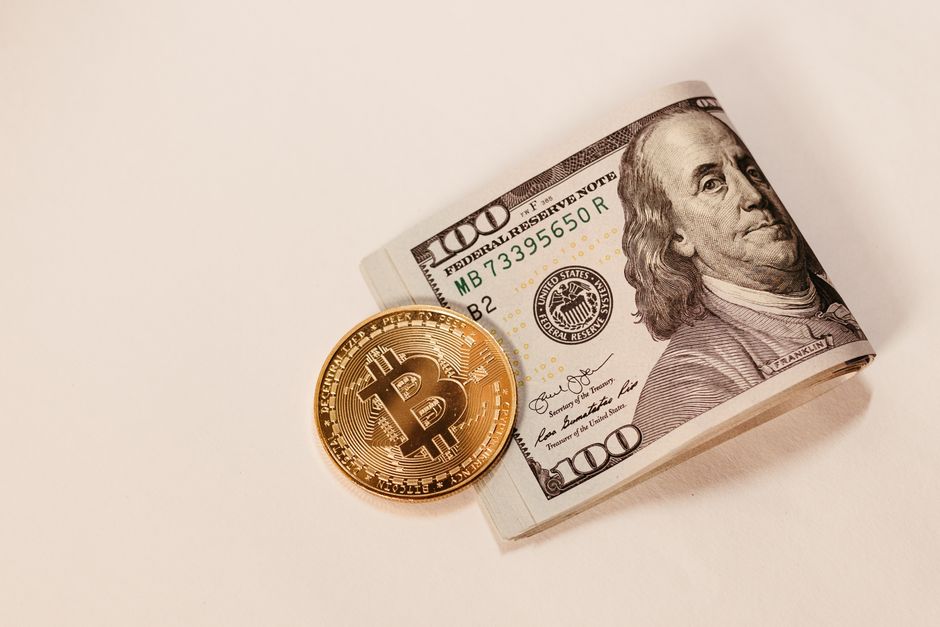
Bitcoin surged 6.66 percent to $62,456 on Friday. The move coincided with the broader risk-on tone across equities, though the cryptocurrency continues to trade at levels well below its late 2024 highs, leaving many retail investors in Brazil who bought near the peak still nursing losses in dollar terms. Crypto exchanges operating in Brazil, including Mercado Bitcoin and Binance's local entity, have seen trading volumes remain elevated even as prices consolidate. The Central Bank's Drex platform, the digital real initiative that has been in supervised pilot since 2023, is designed partly to compete with the utility argument for private digital assets. For now, however, the speculative premium in Bitcoin means it functions less as a currency and more as a risk indicator for younger Brazilian investors.
The gold story deserves a closer look from anyone who has considered purchasing physical gold coins or gold-backed ETFs traded on the B3 exchange in São Paulo. The metal has now appreciated sharply in 2026, and while past performance is never a guarantee of continuation, the structural drivers, including central bank demand from China and India, geopolitical uncertainty and real yields that remain capped by debt dynamics in the United States and Europe, are not disappearing soon. Domestic Brazilian investors who treated gold as a fringe allocation two years ago are now reassessing that view.
The practical takeaway for Rio residents is straightforward: do not treat any single session's moves as a directive to act impulsively. Friday's data does, however, confirm three durable themes. Hard assets are performing. Oil and the companies built around it face a tougher pricing environment. And a weakening dollar creates more room for Brazilian monetary policy to prioritise growth over currency defence. Those three forces, taken together, suggest that the defensive, high-dividend allocation strategies that have suited Brazilian retail investors during periods of high Selic rates may need revisiting as conditions gradually shift beneath them.