Gold hit $4,187 per troy ounce on Friday, up 4.10 percent on the session, and that number matters in Leblon and Barra da Tijuca just as much as it does in Zurich or Singapore. When bullion surges this hard, this fast, it signals something specific: institutional money is moving away from risk assets and toward stores of value. For Rio's publicly listed banks, credit-card lenders, and consumer finance houses, that is a direct challenge to the earnings story they have been selling investors all year.
The Bovespa's financial sector has had a complicated 2026. While the broader index has tracked global sentiment with mixed results, the large-cap banks domiciled in or heavily exposed to Rio, including Bradesco and BTG Pactual with its sprawling headquarters on Avenida Brigadeiro Faria Lima, have struggled to maintain the net interest margin expansion they promised shareholders in late 2025. The core problem is structural. Brazil's Selic rate remains elevated well above what any retail borrower would consider comfortable, and the Banco Central do Brasil has signalled it will not pivot quickly. That keeps funding costs high even as competition for deposits intensifies across Rio's financial district.
Consumer delinquency is the story nobody in Flamengo or Tijuca wants to read, but the data is hard to ignore. Brazilian household debt-to-income ratios have climbed steadily through the first two quarters, and credit card default rates in Rio state have ticked upward since March. Lenders had counted on a recovery in formal employment in the metropolitan area to underwrite new credit growth. That recovery has materialised, but more slowly than forecast, leaving banks holding expanded loan books against a borrower base whose repayment capacity is more fragile than the headline unemployment figures suggest.
The Dollar, the Real, and the Squeeze on Local Borrowers
The euro traded at $1.1440 against the dollar on Friday, up 0.47 percent. That move reflects a softer dollar more broadly, which carries a nuanced implication for Rio-based financial institutions. A weaker dollar historically provides some relief for Brazil's real, easing the imported inflation that erodes household purchasing power. In theory, that should reduce credit stress over time. In practice, the transmission is slow, and it does nothing to address the near-term repricing pain for Carioca families carrying floating-rate personal loans, mortgages tied to the IPCA or CDI benchmarks, or instalment credit at the major retailers along Rua do Catete.
Oil is also sending a warning. WTI crude fell 2.78 percent to $68.78 per barrel on Friday. Rio's economy retains deep structural exposure to Petrobras and the broader offshore supply chain centred on the Guanabara Bay industrial corridor. When crude retreats this sharply, the ripple effects reach bank balance sheets within a quarter. Energy-sector borrowers representing meaningful loan exposure at Itau Unibanco, Caixa Economica Federal, and the regional development arms financed through BNDES become incrementally riskier credits. Provisioning requirements rise, and capital that could have been deployed in retail credit or SME lending gets absorbed instead into precautionary reserves.
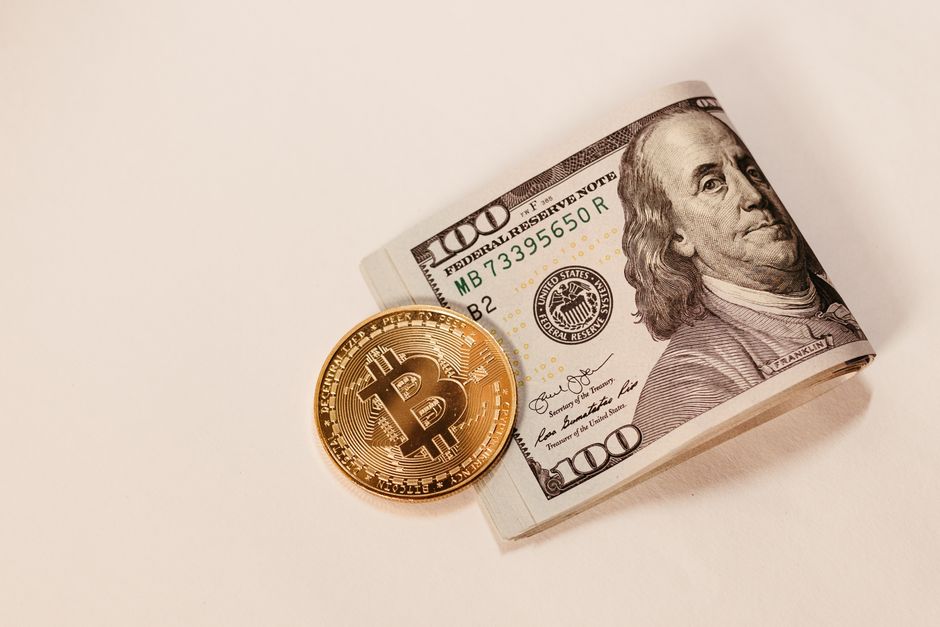
Bitcoin's 6.66 percent surge to $62,456 on the same day tells a separate story about where speculative appetite is flowing. Younger Rio residents, particularly those in the technology and creative sectors clustered around Porto Maravilha and the Flamengo startup ecosystem, have been allocating savings to crypto rather than traditional bank savings products. That is not a trivial trend for deposit growth at mid-size carioca institutions. Fintech competitors offering crypto-linked yields have pulled younger savers away from the conventional poupança accounts that once anchored retail deposit bases. The incumbents are responding with digital product launches, but customer acquisition costs are rising and loyalty is thin.
Equities offered some reason for cautious optimism on Friday. The S&P 500 gained 1.71 percent to close at 7,483 and the Nasdaq Composite rose 1.87 percent to 25,833, suggesting that global risk appetite has not collapsed entirely. Brazilian fund managers monitoring cross-border capital flows will note that a sustained rally in US technology stocks tends to encourage emerging-market allocations, which can provide some support for Bovespa valuations and, by extension, the bank stocks trading on it. But that support is contingent on the dollar remaining soft and US Treasury yields not spiking, two conditions that are far from guaranteed through the third quarter.
For Rio's financial sector, the second half of 2026 amounts to a stress test with multiple variables running simultaneously and few of them pointing in a helpful direction. Credit growth targets set in January look optimistic. Fee income from capital markets activity may partially compensate, particularly given BTG Pactual's investment banking franchise. But the consumer lending engine, which drove profit growth across the sector for the better part of three years, is running at reduced speed, and Friday's market signals suggest the external environment will offer little cover.