Gold hit $4,187 per troy ounce on Friday, a gain of more than 4 percent in a single session, and the implications ran well beyond the trading desks of Zurich and New York. For Rio de Janeiro, a city whose financial identity is inseparable from the Petrobras towers in Centro and the Vale logistics corridors feeding through the port of Itaguaí, a day like this carries real money. Brazil remains one of the world's top gold producers, with operations concentrated in Minas Gerais and Para, and the local miners listed on the Bovespa moved in sympathy with the global price. The message from the market on July 4 was unambiguous: hard assets are back in favour, and Brazil sits on a great deal of them.
The backdrop is a weakening US dollar. The euro climbed to 1.1440 against the greenback, up nearly half a percent on the day, which historically correlates with strength in emerging-market currencies including the real. A softer dollar reduces the debt-service burden on Brazil's dollar-denominated corporate bonds and makes Brazilian exports more competitive in European markets. For pension funds managed out of Faria Lima and Botafogo, that currency dynamic matters enormously: a large share of EFPC (closed pension entity) portfolios carry exposure to dollar liabilities, and when the greenback retreats, those balance sheets breathe a little easier.
Wall Street's own performance amplified the mood. The S&P 500 rose 1.71 percent to 7,483 and the Nasdaq Composite added 1.87 percent to close at 25,833. Risk appetite, in other words, was firmly on. That typically pulls capital toward higher-yielding emerging markets, and Brazil, with its Selic rate still among the most generous benchmark rates in the G20, is a natural destination for that flow. The Bovespa, which carries heavy weightings in financials, energy and materials, is structurally well-placed when global investors rotate out of defensive positions.
Where the Gains Are Landing
Not every sector shares equally in this environment. WTI crude fell 2.78 percent to $68.78 a barrel, a reminder that the commodity story is not monolithic. Petrobras, which represents a significant slice of the Bovespa's total market capitalisation and whose dividends underpin returns for millions of Brazilian retail investors through their PGBL and VGBL retirement accounts, faces a compressed margin environment if oil softens further. The company has maintained a policy of tying domestic fuel prices to international benchmarks, so a prolonged slide in crude would reduce revenue without a proportional cut in operating costs. Analysts in Rio have been watching the $68 level carefully; a break below it would test the investment thesis that has driven foreign buying of Petrobras shares over the past two years.
Gold is the cleaner story. Kinross Gold's Brazilian operations and the smaller local producers listed in Sao Paulo all benefit from a price above $4,000, a threshold that makes several previously marginal deposits commercially viable. Transmissoras and infrastructure names with dollar-linked revenue streams also gain from the euro-dollar dynamic described above. The real winner, however, may be the broader case for Brazil as an investment destination. When global investors see commodities rising, the dollar softening and equity indices in New York pushing to fresh highs, they tend to revisit the Bovespa with fresh conviction.
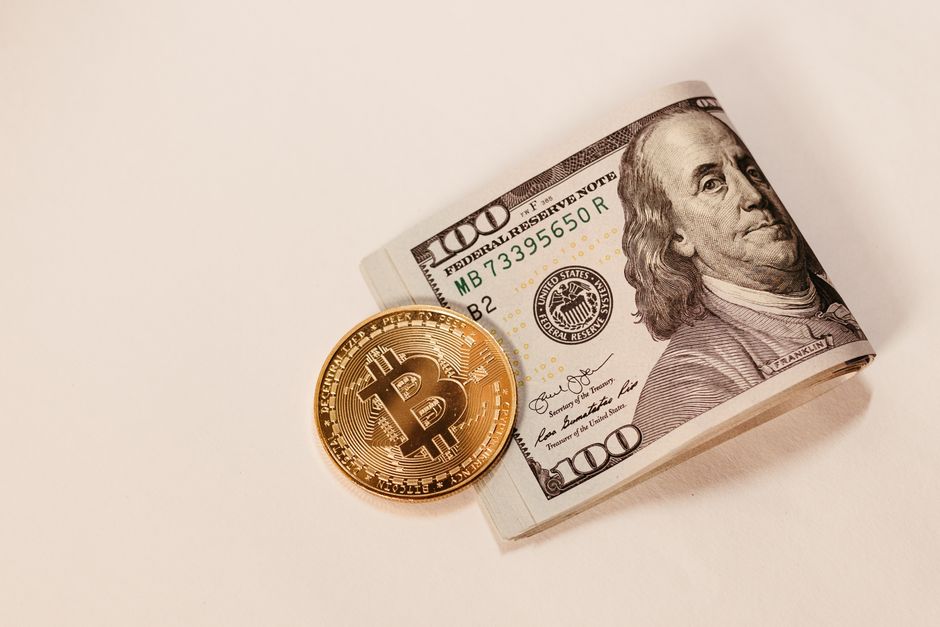
Bitcoin's 6.66 percent rally to $62,456 adds another layer. Brazil ranks among the top five countries globally for cryptocurrency adoption by retail volume, according to data compiled by Chainalysis for 2025. B3, the exchange operator, has seen steady growth in crypto exchange-traded products since their introduction, and the Friday surge will have generated visible gains for the substantial cohort of Rio investors who hold Bitcoin exposure inside their brokerage accounts alongside conventional equities. Whether that represents genuine portfolio diversification or concentrated risk remains a live debate among local wealth managers.
The practical takeaway for readers holding Bovespa positions or Brazilian fixed income is this: the macro configuration on July 4, 2026, favoured Brazil more than it has on most days this year. A weaker dollar, strong gold, recovering risk appetite in New York and resilient demand for high-yielding sovereign debt all point in the same direction. The crude oil slide is the main counterweight, and for a country where energy accounts for roughly 12 percent of Bovespa market capitalisation, it cannot be dismissed. But the net read, for anyone with a long position in Brazilian assets from Leblon to Laranjeiras, is cautiously constructive. The window may not stay open long. It is open today.