Gold hit $4,187 an ounce on Friday, up 4.10 percent in a single session, and the dollar slipped further against the euro, fixing at $1.1440. For investors sitting in Rio de Janeiro, watching the real's chronic sensitivity to the greenback and the Bovespa's heavy weighting in commodity exporters, this is not abstract noise from New York. It is a direct signal about where the next wave of returns is likely to come from, and a growing number of local fund managers and private banking desks are already repositioning.
The S&P 500 climbed to 7,483, up 1.71 percent, while the Nasdaq Composite reached 25,833, gaining 1.87 percent. That kind of broad-market strength in the United States would normally push money away from emerging markets. But the dollar's concurrent slide is complicating that textbook relationship. A softer dollar means the real tends to face less depreciation pressure, import costs ease, and Brazilian companies with dollar-denominated debt get breathing room on their balance sheets. Petrobras, Vale and Gerdau, three of the Bovespa's heaviest names, all carry significant exposure to commodity pricing in dollars. When the dollar weakens and commodities hold firm or rise, those companies benefit on two fronts simultaneously.
Gold and the Commodity Hedge That Carioca Portfolios Have Been Missing
Vale, the world's largest iron ore miner and one of the Bovespa's most traded names, does not mine gold. But the price signal from a $4,187 fix matters to Rio's investment community in a more structural way. Gold at these levels reflects deep scepticism about fiscal trajectories in the United States and Europe, and sustained demand from central banks, particularly in Asia, that began accelerating their reserve diversification programs in 2023 and has not slowed. For Brazilian pension funds, known locally as fundos de pensão, which have historically under-allocated to gold relative to their peers in Mexico or Chile, Friday's move is an argument that the allocation gap is costing them real returns.
Several locally listed vehicles now offer gold exposure through the B3, Brazil's exchange, including ETFs linked to the LBMA gold price. Trading volumes in those instruments edged higher through the first half of 2026 as retail investors, stung by volatile domestic equity markets and interest rates that have only slowly retreated from multi-year highs, looked for stores of value outside the Tesouro Direto. The $4,187 print will sharpen that interest considerably.
Crude oil told a different story on Friday. WTI fell to $68.78 a barrel, down 2.78 percent, a move that will register directly in Petrobras's revenue projections and, by extension, in the federal government's royalty receipts. Brazil's pre-sal oil fields, operated largely from Rio's offshore basin, produce crude that is priced at a differential to Brent, but the directional correlation is tight. A slide toward the high $60s is not yet a crisis for Petrobras's cash generation, given its break-even economics on pre-sal production remain well below current prices, but it narrows the margin for the dividend distributions that have made the stock popular with income-focused local investors since the company's payout policy was reformed in 2022.
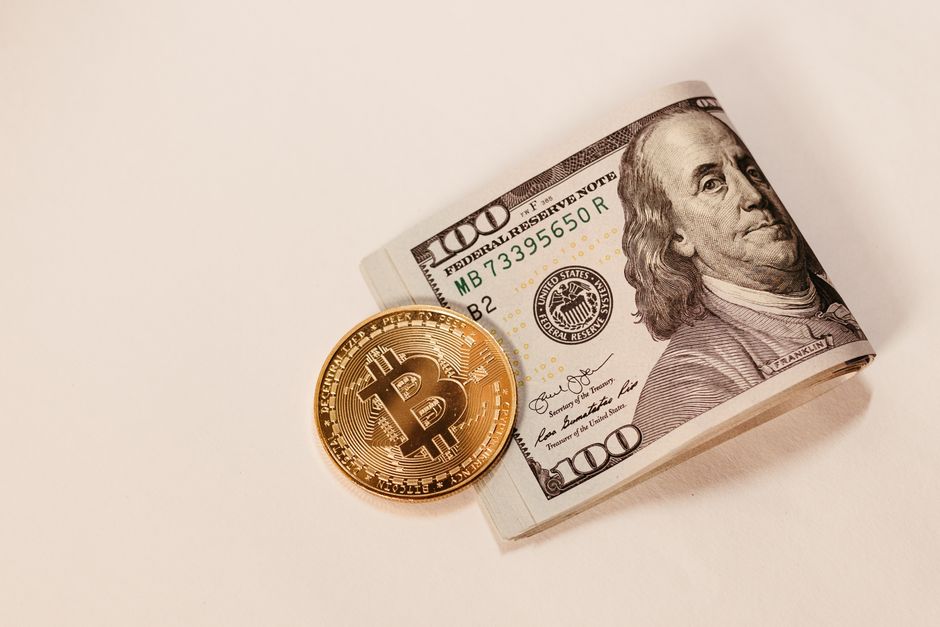
Bitcoin's jump to $62,456, a gain of 6.66 percent in Friday's session, is the wild card that cuts across traditional asset classes. A cohort of younger investors in Rio, many of them concentrated in the Leblon and Botafogo neighborhoods where fintech adoption has run ahead of the broader city, have been riding the cryptocurrency's recovery from its late-2025 lows. The 6.66 percent single-day move is a reminder that this asset class still carries volatility that dwarfs anything on the Bovespa, but for those who sized positions appropriately, the returns over the past 90 days have been substantial. Several Brazilian exchanges, including Mercado Bitcoin, have reported rising trading volumes through the second quarter.
The opportunity that Friday's snapshot reveals is not a single trade. It is a configuration: dollar softness, commodity prices elevated except in energy, risk appetite returning to equities in the United States, and alternative assets moving sharply higher. Brazilian investors, particularly those in Rio with exposure to the Bovespa's mining and materials sector, currency-linked savings products, and the growing domestic crypto market, find themselves in an unusually advantageous position relative to, say, a European saver watching the euro strengthen while their equity market lags. The question now is whether local allocation decisions catch up to what the global price signals are already saying. Friday's data suggests the window is open. It will not stay open indefinitely.